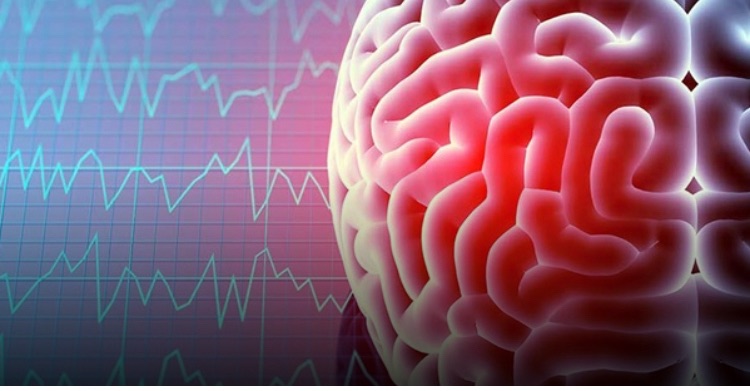
This post has been written with combat sports in mind but it could be equally applicable to any full contact sport or activity that has resulted in sustaining head trauma. I will reference TBIs which is an abbreviation for traumatic brain injury. So everyone is clear, this covers everything from a concussion, a “knock down” or a “knockout”, to a plain old heavy knock to the head.
Before I start to unpack what interventions, strategies and supplements to use, I think it’s really important to advise anyone to seek advice from a trained physician. The recommendations given here may well help but they will be of very little benefit in place of a medical intervention, should it be required. I don’t pretend to be a medical professional and definitely don’t think any advice I offer below would replace that of a trained specialist. With that said, let’s move on.
The 3 Stages
There are three basic stages you can think about transitioning through post injury, that will support you to get back into the gym. These are:
- Rest
- Energy system development
- (Re)Building the systems
Let’s start to unpack each of these stages and what it means to your recovery.
Rest
The number one thing you can do post injury is simply to rest. This includes having quality sleep. Insomnia though can be a common side effect post TBI and you may find your circadian rhythm has been affected. If this continues in the days after and is significant, supplements such as Gabba and Melatonin may be helpful to regain your usual sleep pattern.
If you’ve taken a heavy blow to the head and/or suffered a concussion, your immediate priority should be to cool the brain down. A fever will likely come with the inflammation response to your brain, which you will want to reduce as much as can. For this you’ll need to maintain normothermia, which is a state where the body regulates itself within its standard limits, (36.4 to 37.8 *C).
To ensure you keep your core temp at or below 36.5 *C, avoid extreme heat or cold, take paracetamol (as prescribed on the box), for 24-72 hours post injury and avoid exercise.
Progression
Nutrition can be tailored to the athlete’s readiness to progress through the levels of energy system development. After the initial rest period, it’s time to start very light exercise such walks, gentle stretching and/or mobility work.
At the start of your recovery, an initial nutritional strategy to take is adopting a low carbohydrate/ketogenic diet. Although there are many reasons why a low carb diet is not helpful for athlete performance, it could in-fact be the perfect remedy following a TBI.
Entering a state of nutritional ketosis may well help clearing the reactive oxygen species, (ROS), caused by the knock. It also may well help spare nicotinamide adenine dinucleotide, (NAD), in the brain. Clearing ROS and sparing NAD are both essential for energy production, safeguarding against age related neural diseases and maintaining neurological health.
Reaching a state of diet induced ketosis is no easy feat however, as it requires significant reduction of two of the main food groups – carbohydrates and protein. A helpful tool to use to monitor is a blood ketone reader which will give its most effective readings when used first thing in the morning before you eat or drink.
There’s plenty of information online about how to reach ketosis but generally you would need to eat a maximum of 50g-20g of carbohydrates daily, which will likely depend on individual body type. Most popular ketogenic diets propose an average of 70-80% fat from total daily calories, 5-10% carbohydrate, and 10-20% protein.
Food Choices
It’s important to avoid refined and highly processed food options that will likely have their fat content from saturated and trans fats. High fat food choices such as butter, whipped cream, deep fried foods and processed fatty red meats are all likely to add to inflammation rather than help reduce it.
Seek to eat foods high in monounsaturated and polyunsaturated fats. Examples of such foods include:
- Avocado
- Olives
- Fatty fish including salmon, mackerel and sardines
- Nuts & seeds
- High quality cold pressed oils such as extra virgin olive oil, avocado oil, rapeseed oil
- Quality MCT oils
Fruit & Veg
A really crucial and simple intervention is to ensure you add lots of fresh fruit and vegetables. A particularly good choice is dark and leafy greens such as kale, rocket and watercress due to their high concentration of flavonoids, compounds which are antioxidant, anti-inflammatory and antiviral.
Deep purple veg including red cabbage, red onions and blueberries are also excellent. Yellow onions, tomatoes, strawberries, apples and mixed berries are other good options. These foods don’t just provide important phytonutrients and flavonoids but are also great sources of fibre which will help keep the gut healthy.
Although research isn’t so robust, (coming from rodent studies rather than human one), supplemental flavonoids have also been seen to be neuro protective. Although definitely not a suitable replacement to seeking your flavonoids via fresh fruit and veg, supplements could be an additional option to include alongside.
Building Back
After 3 to 4 days of full rest, very light movement and dialling in your diet, it’s time to start firing up those different energy systems again. Start with aerobic work at 70% of your capacity. Over 70%, (maybe at around 150 bpm), may bring on symptoms again, so go easy. I would consider something not quite so taxing as running, such as using a stationary bike.
The next step is a return to resistance training. This isn’t about hitting those personal bests nor incorporating particularly complex and explosive moves. Think about building up the basic movement patterns of push, pull, hinge and squat.
Knowing when to move through these steps can be somewhat individual depending on the severity of the injury. When you consider returning to your sport of choice, be mindful it can take around 23-30 days to normalise. Try keeping your eyes on an item but move your head around, are you able to maintain focus?
Again, as head injuries and TBIs can vary in severity, really do take this as a rough guide and seek medical advice should you have any doubts.
Supplementation
Lastly I’ll cover the part most people want first, which supplements to take. Understandably, there’s a lot of interest in supplements. If taking a little pill or potion could short cut the time it takes to undertake any of the previous strategies suggested, who wouldn’t?
The reality is that although supplements may well bring with them some benefits in both recovery and even optimisation, they really won’t have as tangible an impact as quality rest and sleep. With that said, let’s explore some of the options open to you.
We’ve discussed ketosis as a dietary strategy already. Ketones are a byproduct of this diet, the effect of which can be neuro-protective. Beta-hydroxybutyric acid is a ketone found in supplements that act to mimic the effects of dietary induced ketosis. You’ll find this in supplemental exogenous ketones.
Adding exogenous ketones before or after the event can also have a positive effect on glycogen sparing.
Try taking an initial 5-10 g serving 3 x times a day, reducing down to 2 x times after a couple of weeks. After 4-6 weeks, just take them when you feel they are needed such as if you’re experiencing brain fog, etc.
The next supplement should be a staple for pretty much anyone and everyone. Creatine has long been touted for its impact on performance in the gym but more and more evidence is emerging regarding its importance for the brain.
TBIs can negatively affect brain creatine stores and low creatine levels may heighten risks to the severity of any subsequent future TBI injuries.
If you’ve suffered a TBI seek to supplement with creatine at 0.4g per kg of of body weight. If you’re a heavyweight however, look to make it per kg of fat free mass. Look to split into 5g doses throughout the day.
Mushrooms
The next supplement is not one typically connected with athletic performance at all, it’s the mushroom commonly known for its nootropic qualities, Lions Mane.
Lions Maine has been seen to support neuro genesis, which is the formation of new neurotransmitters in the brain. Although I don’t really have a lot to back this, but I would seek to buy good quality Lions Mane from a retable source. Often medicinal mushrooms can be bought as blends of varying strengths and qualities quite cheaply from countries which have limited regulation on quality control.
Seek to work towards 3 x grams daily post injury. Start with 1 tsp, 3 x times a day. Depending how you tolerate this start adding an additional tsp to each serving. Post concussion you want to try and reach 1 x tbsp, 3 x a day as soon as it’s comfortably tolerated. Steadily move towards 2 x tbsp 3 x a day.
Final Additions
There’s a final few additional supplements to add. TBI can exasperate symptoms of bloating and inconsistent bowel movements. Glutime & probiotics may well help to support your digestive system to heal and calm down.
High quality omega 3 is a helpful addition for every athlete doing combat sports and regularly in a calorie deficits. There are neuro protective qualities associated to Omega 3s, this is why it’s important to include oily fish into your diet. Post TBI look to supplement with 3-9g a day. However if you’ve experienced a brain bleed, shy away from hitting 9gs daily.
If you’ve made it this far, good work. Here’s my final two supplements to add to support recovery. Firstly 500mg of a high quality curcumin 3 x a day. Lastly, 1-2 g supplemental choline daily post suffering a TBI.
If you have any additional questions, please drop a comment and I’ll do my best to answer as soon as possible!
 Nutrition 4 Fighters