
Blog

Snack Hack # 13 – Ceylon Cinnamon 


Welcome back to the snack hack series! Ranging from medicinals to mindset, as standard these posts will look to bring you a variety of holistic hacks you can implement simply and effectively  into your lifestyle.  

Today I’m going to ask you to reach for the spice cupboard for that Crimbo favourite; cinnamon. Before you liberally add however, I want you you to double check the ingredient list as all is not what it seems with this super powerful spice.

Cinnamon is a spice that is made from the inner bark of trees called Cinnamomum. There are different varieties of cinnamon but two main types generally on offer to the consumer; 

1. Ceylon cinnamon: Also known as “true” cinnamon.

2. Cassia cinnamon: This is the more common variety today, what people generally refer to as “cinnamon.”

Cinnamon cassia is more common. It may already be in your spice cabinet, (it was in mine!). But Ceylon cinnamon is what is wanted for it health properties. It has a distinctive shape, lighter color, and delicate taste. It also has properties that contribute to many health benefits.

Ceylon cinnamon, is native to Sri Lanka and also known as Cinnamomum Verum or Mexican Cinnamonor (Canella). You may even see termed Cinnamomum verum; verum meaning true. It is sourced from the plant Cinnamomum zeylanicum. 

 Then there is Cassia cinnamon, which comes from a different plant called Cinnamomum Cassia (or Cinnamomum Aromaticum). It is also commonly known as Chinese cinnamon and is mostly cultivated in China and Indonesia. 

While the two species of cinnamon share certain characteristics, their contents differ much in terms of the amount of coumarin found present within them. Coumarin is a naturally occurring substance with strong blood-thinning properties. 

The coumarin level in Ceylon cinnamon is negligibly small, while that in Cassia cinnamon is a concerning 1200 times higher. The ingestion of large amount of coumarin or consumption of coumarin over a prolonged period of time can cause serious health damages and a negative impact on the liver and kidneys.  

Health Benefits 

Both types of cinnamon have been studied for their health benefits. In a 2012 study published in the “International Journal of Preventive Medicine,” diabetic patients were given 3 grams of an unspecified cinnamon supplement per week or a placebo. At the end of eight weeks, the test subjects experienced improvements in blood sugar and triglycerides, and they lost weight compared with the placebo group. 

As we can see from the above research,Cinnamon is a powerful natural blood sugar regulator. Cinnamonor does this by reducing insulin sensitivity. Insulin is one of the key hormones that regulate metabolism and energy use. It is also essential for the transport of blood sugar from the bloodstream and into cells. Cinnamon has been shown to both reduce fasting blood sugar levels also thus further reducing the risk of conditions such as diabetes. 

In a 2012 review article published in “Diabetic Medicine” examined 16 studies of Ceylon cinnamon specifically. The researchers uncovered beneficial effects on diabetic complications, with no toxicity to the liver and kidneys. As already noted however, toxicity might be an issue for cassia.

Cinnamon is widely used to treat digestive disorders such as nausea, flatulence, diarrhea, appetite loss and indigestion. Additionally, cinnamon’s essential oils aid in the dissemination of food particles and stimulate saliva and gastric juices, which helps with most aspects of digestion and nutrient absorption. To avoid indigestion when eating acidic foods, consider sprinkling cinnamon over it.

In addition to its potential beneficial effect on glucose metabolism and body weight, Ceylon cinnamon also contains a large amounts of highly potent polyphenol antioxidant compounds. These are similar to the antioxidant compounds found in green tea and grapes. These antioxidants in cinnamon serve to both fight free radical damage and also have anti-inflammatory effects, which may help lower the risk of disease.

Cinnamon has also been linked with reduced risk of heart disease, the world’s most common cause of premature death. It reduces levels of total cholesterol, LDL cholesterol and triglycerides, while HDL cholesterol remains stable. Coumarin-free Ceylon cinnamon may also be beneficial to the liver, according to studies reviewed by “BMC Complementary and Alternative Medicine” in 2013, with no adverse effects to other organ systems noted.

Furthermore, Cinnamaldehyde, the main active component of cinnamon, may help fight various kinds of infection.Cinnamon oil has been shown to effectively treat respiratory tract infections caused by fungi. It can also inhibit the growth of certain bacteria, including Listeria and Salmonella. 

And lastly, if you weren’t quite convinced enough, Cinnamon has been shown to lead to various improvements for Alzheimer’s disease and Parkinson’s disease in animal studies. Two compounds found in cinnamon appear to inhibit the buildup of a protein called tau in the brain, which is one of the hallmarks of Alzheimer’s disease. In a study looking at mice with Parkinson’s disease, cinnamon helped to protect neurons, normalize neurotransmitter levels and even improve motor function. 

Warning!

Cinnamon may exert estrogenic effects, so it should not be used during pregnancy or if you have a history of a hormone-related disease, such as breast cancer. As this spice may increase gastric secretions, use it cautiously if you have a history of peptic ulcers. If you have diabetes or take other medications, check with your doctor before heavily supplementing with Ceylon cinnamon.

Alrighty so aside from the above warning, I hope you’ve taken some useful tips on board. My final recommendation would be to switch sugar for cinnamon as it can add a lovely flavour to drinks and just about anything else. Ok, thanks for reading, please comment and share! 
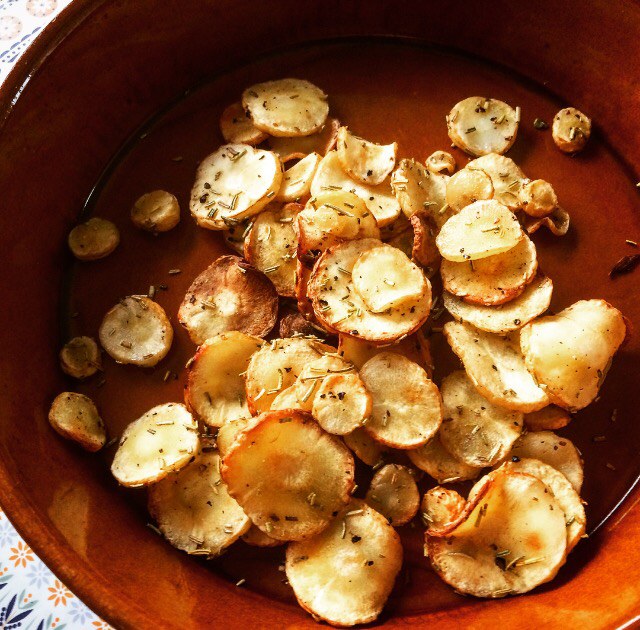
Cheap Eat Nutrition # 25 – Nutritious whole foods on a budget – Parsnip & Rosemary Chips 


Welcome back to the cheap eat nutrition recipe series. Our goal here is simple; to show you nutritious cooking really is affordable to all! 

So today’s recipe is a simple one. A tasty and more nutritionally dense option than its cousin the spud, it’s parsnip chips. 

So let’s start with the what and the why. The parsnip (pantinaca sativa) is a root vegetable and part of the Apiaceae family. It’s closely related to dill, celery, cumin, carrot and parsley. 

The parsnip is usually cooked, but can also be eaten raw. It is high in vitamins and minerals, especially so in both vitamin C and potassium. It also contains high doses of antioxidants as well as and a very good portion of both soluble and insoluble dietary fibre.

Like carrots and other members of Apiaceae family vegetables, parsnip too contains many poly-acetylene anti-oxidants such as falcarinol, falcarindiol, panaxydiol, and methyl-falcarindiol. Several research studies from scientists at the university of Newcastle, Tyne found that these compounds possess anti-inflammatory, anti fungal, and anti-cancer function and offer protection from colon cancer and acute lymphoblastic leukaemia no less. Quite simply suggesting, parsnips are a pretty good choice. 

Alrighty, so hopefully you’re sold so let’s crack on. You’ll need the following ingredients;

(Serves 2)

– 3 medium to large parsnips 
– 1 tble spoon of duck fat or coconut oil
– 1 tsp of rosemary 
– Salt & pepper 

Method:

– Preheat oven to 180c. 

– Thoroughly wash parsnips and cut into slim disks, then add to baking tray.

– Add tble spoon of chosen fat, ensuring its well mixed in. Continue to stir and mix till all the chips are covered. 

– Add rosemary, salt & pepper. Again mix and shake the tray well to ensure even distribution.

– Place in oven for 20/25 minutes, stirring contents at 15 minutes. Remove when chip start to turn golden brown.

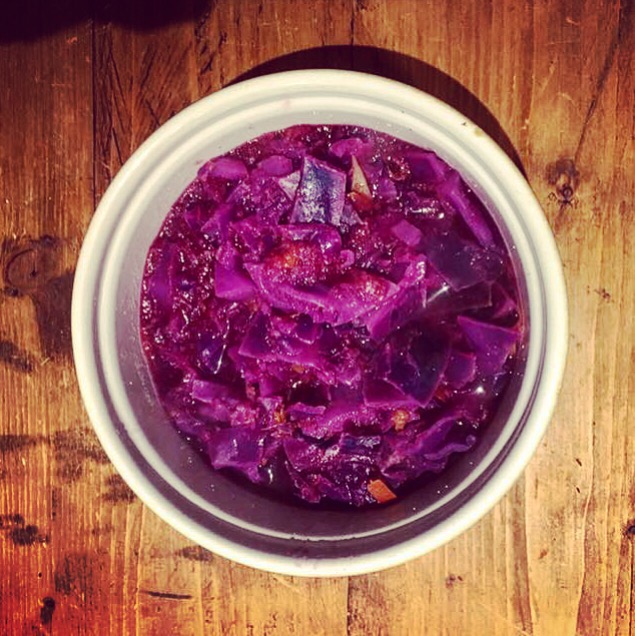
Cheap Eat Nutrition # 24 – Nutritious whole foods on a budget –  Red Cabbage & Apple Mash

Welcome back to cheap eat recipes;  the tasty, affordable and simple recipe collection for healthy food. These recipes aim to show that nutrition is not so elitist as it may well often appear and is certainly more affordable than many a celebrity’s cook book would have you think!

I try and ensure that I have at least a once daily dose of cruciferous vegetables. I wrote a post about just why this family of (mostly) greens is rightly referred to as powerhouse veg, check the following link ⬇️🤓

http://whatsuppblogblog.com/2017/05/07/the-powerhouse-veg/

Ok, so today’s recipe is a super tasty method for getting one of these powerhouses into your daily meal. Red cabbage is a particularly good choice as it contains a high number of polyphenols, as evidenced by the red colour of its leaves. These polyphenols include antioxidant and anti-inflammatory compounds called anthocyanins.

Cinnamon is a lovely little addition for flavour. It also acts as a powerful natural blood sugar regulator, which it does by reducing insulin sensitivity. This makes it a great alternative to sugar or other sweeteners. For another added bonus, cinnamon has also been linked with reduced risk of heart disease.  

Ingredients

(serves 2-4)
– 1 large cooking apple 
– Between 1 quarter and 1 third of a red cabbage
– 1 table spoon of ciammon 
– 1 quarter cup of water

Method:

– Thoroughly wash cabbage and apple. Now slice cabbage up into strips and cut apple into thin slices 

– Place cabbage in saucepan and sprinkle half the cinnamon over. Now layer apple on top and sprinkle remainder of cinnamon. 

– Add the water and cover saucepan with lid. Place on low heat for 15 to 20 minutes, ensuring cabbage is as soft as this as it can take a little longer than the apple to cook. 

– Take potato masher and mash the contents thoroughly. Serve as an accompaniment with anything from roast dinner to fish and chips! 

Nootropics – What they are, what to look for, and the Brainzyme review 


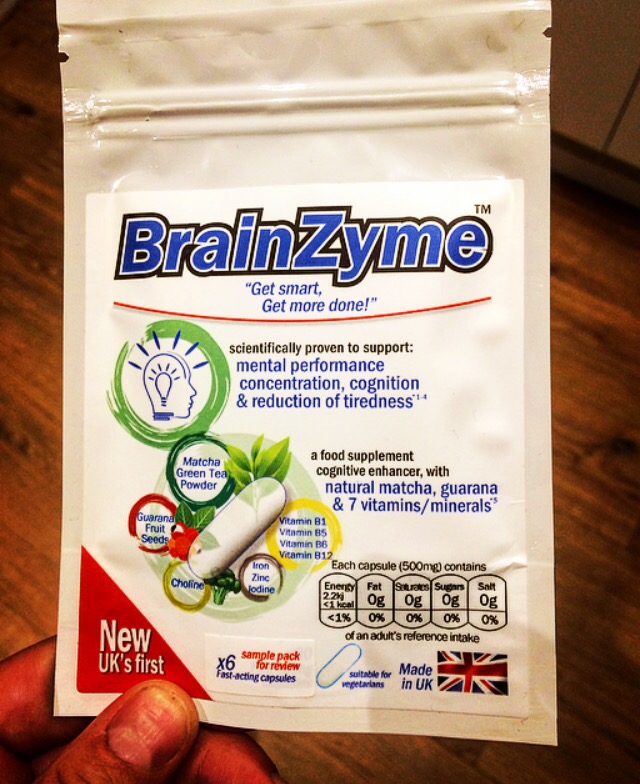
  I’ve been meaning to write a post regarding nootropics for some time. This was however prompted to be done sooner rather than later by the kind people at Brainzyme reaching out and sending me a couple of free samples. 

In this post I will breakdown the key ingredients (as I see it) within Brainzyme and detail why they are useful in any nootropic stack on the market.

For those who are unaware, nootropics, also referred to as smart drugs or cognitive enhancers, are anything that enhances cognitive functioning. This can be quite a spectrum and does indeed include old faithful friends nicotine and caffeine! 

Nootropics act to focus your mind and aid you accessing memory, maintaining concentration, being creative and honing focus. As most of the nootropics supplements that are sold combine a number of cognitive enhancing ingredients, they will often be referred to as nootropic ‘stacks’.

Choline 

The magic ingredient in many a store bought nootropic is choline. This is what I looked out for and dualy noticed on the Brainzyme packet as soon as I opened it.

Choline is a miconutrient that’s important for liver function, normal brain development, nerve function, muscle movement, supporting energy levels and maintaining a healthy metabolism. 

Choline is generally classed with the B vitamin complex  and plays a part in several important processes within the body that are carried out hundreds of times, every single day. It is crucial to maintaining health at every age and is used to treat and prevent an amazing variety of physical diseases and disorders, including asthma, hepatitis, and even cancer. 

Choline is present in the form of phosphatidycholine, a compound that makes up the structural component of fat, and thus can be found in different types of foods that naturally contain certain fats, such as eggs, beef and even cruciferous vegetables. 

In addition to natural synthesis and dietary sources, choline is also available in supplement form. Choline supplements vary dramatically in strength and quality. The most common choline supplement, lecithin, is also the weakest form of choline and may not actually enhance cognitive abilities although  does serve other health benefits to the body. 

For nootropic users, choline is particularly important because of its ability to enhance memory, focus, and cognitive function, both alone and in combination with other supplements. It’s the precursor to acetylcholine, the neurotransmitter most strongly associated with memory, learning, and overall cognitive function, and is well known as a brain booster in its own right. 

For nootropic purposes we want to ensure that our brain has the optimal amounts of the neurotransmitter acetylcholine. Choline from natural sources can help with this but an alternative option are acetylcholine precursors that are more efficient in raising acetylcholine neurotransmitter levels such as CDP choline, Alpha GPC, or centrophenoxine. All three are potent and reliable supplements that can raise your neurotransmitter levels with different strong points and different interactions with other nootropics. 

Matcha

The other ingredients within Brainzyme that peaked my interest was matcha green tea powder. One of the major health benefits of matcha tea is that it delivers a mega dose of antioxidants, helping to promote both energy and vitality. 

Matcha is packed full of the antioxidant Epigallocatechin Gallate (EGCG). One of the first things to know about EGCG is that it interferes with oxidation, and therefore can help minimise oxidative damage in cells. Oxidative damage is known to be a contributing factor in a number of illnesses, notably cancer. 

When considering the nootropic aspect of matcha however, it’s important to consider its ability to calm the mind, relax the body, enhance mood and aid in concentration. This probably comes down to the L-theanine levels it contains which boasts a number of health benefits including increasing your energy, promoting relaxation, improving your mood and helping you concentration. 

Consumption of L-theanine increases levels of Ɣ-Aminobutyric acid (GABA) which acts as a calming neurotransmitter, reducing excitability throughout the nervous system and promoting relaxation in the body. L- theanine also works incredibly well alongside caffeine as it can serve to calm the giters whilst maintaining the focus. 

Guarana

The final ingredient of intrigue is guarana seed blend. As a dietary supplement, guarana is an effective stimulant. Its seeds contain about twice the concentration of caffeine found in coffee seeds (about 2–4.5% caffeine in guarana seeds compared to 1–2% for coffee seeds).

While the active ingredient in the guarana plant (guaranine) is chemically identical to caffeine, it has one huge difference. In its natural form, it is bound to the fiber of the guarana seeds. That means its stimulating component is released slowly, giving you up to five hours of refreshing vitality. However, it is important to note that concentrated guarana extract as used in most energy drinks has had most of the fiber removed and functions like purified caffeine. 

Conclusion 

In regards to the Brainzyme product, my final verdict was mixed. I was sent the Brainzyme Original as a tester. I was a little disappointed to note that the quantities of choline, matcha and guarana were all missed on the label. This is in contrast to Brainzyme’s two more expensive products, Brainzyme professional and Brainzyme elite. Both of these products also contained other ingredients that are also promising. 

I did feel some stimulation when taking three capsules whilst fasted. The focus and creativity aspect that I’ve experienced from other products wasn’t quite there but I was definitely more switched on. This has also got to be taken in the context of the Brainzyme original being the cheapest product they deliver.

In conclusion Brainzyme original is not a bad option as an entry level nootropic. Although the choline bitartrate in Brainzyme will have a therapeutic impact on liver function for instance, it will not likely add to the nootropic qualities. This means the cognitive enhancing effects will likely be coming from the guaranine and matcha. Saying this there are also a number of other vitamins and minerals present which should act to provide energy and stimulation. 

If you are looking for a nootropic stack to truly enhance full cognitive functioning such as creativity, focus, and memory, you’re probably best seeking a product that has CDP choline, Alpha GPC, or centrophenoxine. However Brainzyme elite and professional could also be worth a shot for their other ingredients that offer more bang for your buck. 

I’d just lastly like to say a big thank you to folks at Brainzyme and wish them well, it’s great to see a UK based product pushing things forward in the biohacking world!