Blog

Snack Hacks # 4 implementing good habits 

Right, so time for another snack hack, a little bite size biohack you can implement nice and easily.

We’re going to have a look at starting and maintaining good habits today. This is a big one for me and something I seriously struggle with. Like many, I’m full of many a good intention on January the 1st, only for all for it to come tumbling down by February (at the latest!)

These are some easy mindset hacks that I have picked up from a number of experts from Tim Ferris to Dave Asprey. I hope they they may be reflected upon to start putting some changes in place in whatever area you might have that could require a little attention. 

– Set micro habits. If you always shoot for the stars, the odds suggest you’re going to sometimes full short. Now I’m not knocking big plans but set the habit low and work up. For example, want to get fit? Two press ups a day. Want to change diet? Cut one sugar from your tea. Meditation? Set the clock for 2 minutes. Ok, you get the idea. The logic goes that most of the time you will reach beyond this goal as it’s so easily attainable and a sense of reward, as opposed to failure, will come along with it. Once the routine’s set, build up and away. 

– If/then scenario. So this piece of preparatory work sets the mind to plan for barriers to success. For example, if I’m offered the pudding menu, I’ll ask for a coffee. If it’s raining before my run, I’ll go for a shorter distance and wear such and such waterproofs. This serves to address the worst case scenarios before they occur, so if they do, the resolve is already in place. 

– Repetition and routines. This is key. The less decisions and thinking needed, the better and more likely you are to succeed. Pack the gym bag the night before. Schedule and book out the time (preferably same day/time) each week to ensure you prioritise. Make this time non-negotiable, switch off the phone, laptop, etc. Micro habits can also come in here again to ensure compliance. 

– Book/pay/commit. Building on the last point, pay in advance and commit to activities with others where possible. This makes you culpable. Vocalise the habits you wish to change to those closest, this also brings a level of culpability which can increase chances of success. 

– Positive and negative reinforcement. This is huge. Reward mechanisms in your brain basically work like so: trigger – behaviour -reward. An example would be: Trigger of feeling bored and wanting a distraction; behaviour of going online and browsing shopping website then buying new jeans which are now on route; reward, they will hopefully make you look good and feel great. Now it might not feel particularly rewarding just thinking, “it will make me feel bad later and I’ll be skint.” So what will change the reward process? Becoming curious! What does this mean?…  

I’ve talked about mindfulness and meditation in another post so I won’t bang on about it here, but one of the key things it brings is the differentiation between being and doing. This awareness naturally results in curiosity. By this I mean, what are the phycological and physiological processes that are happening when you see that item on eBay you want to bid for, or that cookie going spare? Recognise the process the body and mind goes through (the trigger, behaviour, reward). This curiosity, and subsequent self-awareness, can prove to be rewarding and as such, set a new reward pathway up.

A side note on this is that the pre-frontal cortex, the part of the brain that makes decisions, goes off line when you get stressed. Therefore a curiosity reward pathway that has been cemented will increase chances of success for sticking with new habits when you become stressed which can only be a good thing for when life is challenging.

– Consider and reflect negative consequences of bad habits. Again, mentalistion comes in here. I know this sounds obvious but be really clear on on the reasons you want to break a bad habit and get in touch with the pain, negative feelings and emotions associated with it. This builds the awareness around the negative behaviour and helps the brain to really associate the negative side effects, hence lessening the reward pathway.

– Focus on keystone habit – the one habit that affects other habits. This can be an overarching bad habit that has multiple knock on effects. For example, for me it can mean starting something but not finishing it. This can lead to side bad habits of taking too much on; rushing to complete outstanding tasks; procrastinating and also feeling overwhelmed. Pinpointing the keystone habit will often have knock on side affects and lead to greater overall change.

Alrighty, so that’s quite a comprehensive list there, which I for one will have to continue to revisit! 

Remember, don’t rely on motivation, it can be overrated! I don’t want to knock it, but will-power, routine and position of mindset will potentially have far greater impact on successful change.

More importantly, however, don’t beat yourself up. This is not meant to sound patronising but habit changes are a slow and gradual processes. Rome wasn’t built in a day, so don’t expect miracles but hopefully some of these ideas can work for you.
Cheap eat nutrition # 10 Paleo/Gluten Free/low carb/high (healthy) fat – quick, easy and on a budget


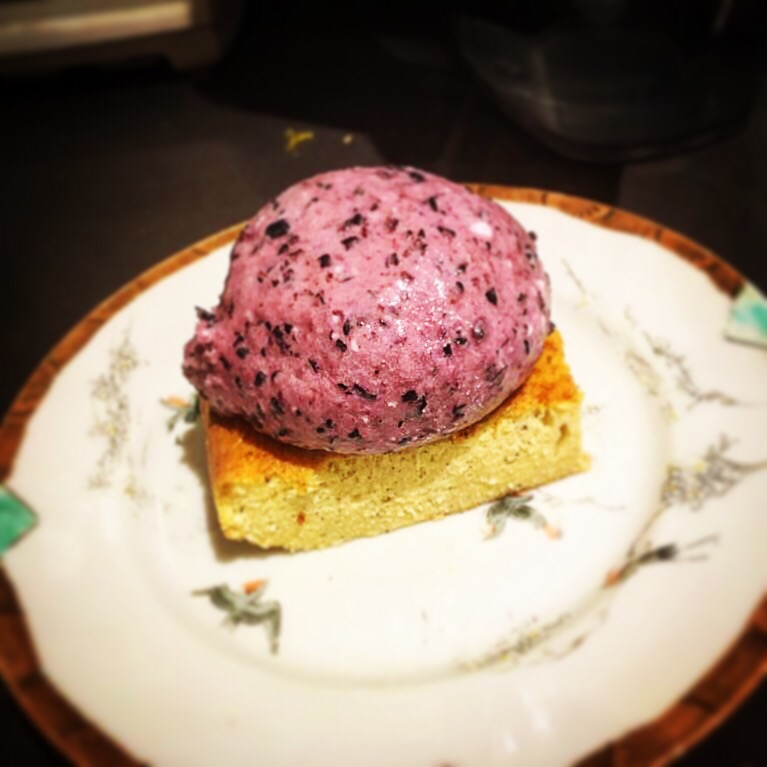
Howdy y’all, and a welcome back to cheap eat nutrition recipes! So today we got a pretty damn good one for you. Dairy free, blueberry coconut sorbet. Nuff said. 
Alrighty, this is actually pretty damn simple to make, pretty damn nutritious and well, pretty damn tasty. So hold on to your horses a get ready..
Ingredients: (serves 4)

– 300g Blueberries 

– half a can of full fat coconut cream 

– 1 tble spoon of maple syrup/date syrup

– Blender 

Method:

– Blend blueberries 

– Add syrup then coconut cream

– Blend together 

– Freeze 30 mins 

– Enjoy!

Cheap eat nutrition # 9 Paleo/Gluten Free/low carb/high (healthy) fat – quick, easy and on a budget

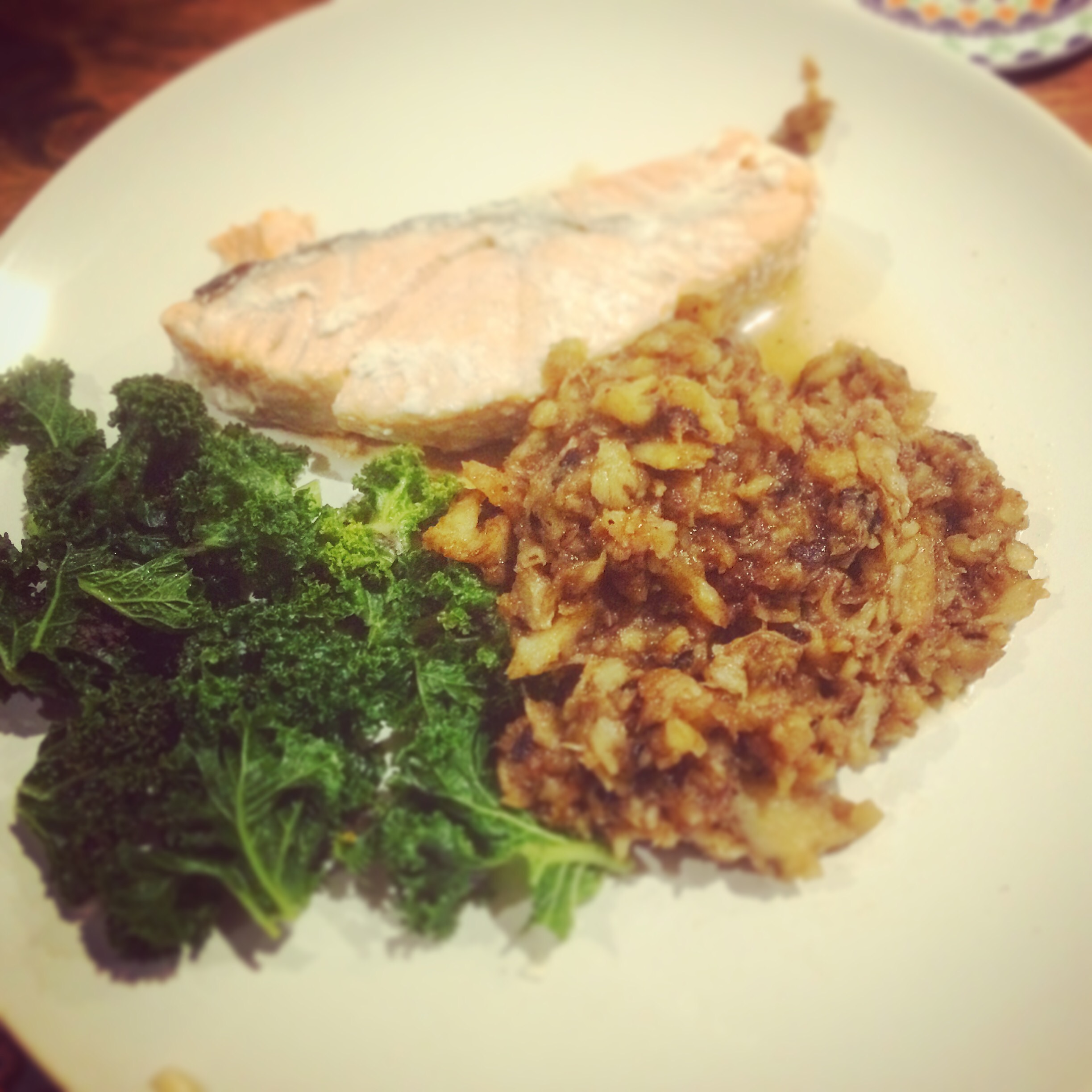
Celeriac brown & mash

Welcome back to cheap and easy low carb healthy recipes that are good for the gut, noggin and pocket! 

Today we have the celeriac brown and mash which is a great alternative to starchy potato mash with plenty of flavour. 

This lower carb alternative will not spike your blood sugars like spuds. There’s also plenty a vitamins and minerals including vitamin K and Potassium to up your goodness count. 

Ingredients:
– 1 medium to large celeriac 

– 2/3 tble spoons of butter (preferably grass fed)

– 275 ml of boiling water 

– 1 stock cube (beef/vegetables)


Method:
– Slice celeriac into thin wedges 
– Melt butter in a large frying pan on low to medium heat 
– Place the slices in the butter and allow to brown on each side
– After around 5-7 mins on each side, the celeriac should be soft
– Add stock cube to the boiling water and mix until stock has dissolved
– Add stock to celeriac, cover and allow to simmer on low heat for 5 mins or until completely tender
– Transfer to bowl, mash and serve! 

Snack Hacks # 3 Nicotine


Righty ho, and a welcome back to the supp blog! Once again I’m going to present a nutritional or supplementary addition that can be used to optimize overall performance. This is will again be presented as the somewhat creatively titled; “snack hack”.

What?

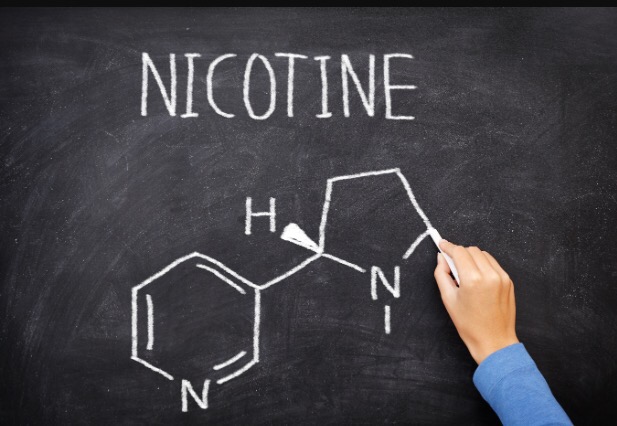
So, this one will cause a potential stir I believe. Today’s snack hack is… Nicotine! 

Like caffeine, nicotine is a defense mechanism made by plants to keep from being eaten by animals, bugs, or fungus – in fact, caffeine and nicotine are in the same chemical family. 

Nicotine is most famously in tobacco, but you’ll also find small amounts of it in members of the nightshade family; tomatoes, potatoes, and eggplants, for example. There’s even a tiny bit of nicotine in cauliflower.

It’s important to recognize the distinction between nicotine and tobacco. Nicotine gets the headlines when it comes to tobacco, even though it’s just one of the 5,000+ chemicals in cigarette smoke. 

Tobacco is a mixture of compounds, many of which are carcinogenic (cancer promoting), cardiotoxic (making the heart weaker & less efficient at pumping blood), teratogenic (developmental toxicity) or all three.

Why?

The acute cognitive enhancing effects of nicotine are robust and well documented. Nicotine has been seen to make individuals more vigilant, improve their short term memory, have more controlled and fluent handwriting (and purely anecdotally increase typing speed), improve reaction time, and suppress appetite.

Technically, nicotine is not significantly addictive, as nicotine administered alone does not produce significant reinforcing properties. However, be mindful that when nicotine reaches your brain, it binds to nicotinic receptors , activating pathways that control attention, memory, motor function, and, importantly in relation to addiction, pleasure.

Important

The scientific literature is very polarized about the impact of nicotine on health. On the one hand, neuroscientists have argued that nicotine is the only substance in existence that reliably enhances working memory and general cognitive performance.

On the other, nicotine can be seen to activate The sympathetic nervous system, (fight or flight response) negatively, thus raising blood pressure and potentially effecting blood sugar responses through cortical being raised.

From a brain health perspective, most of the negative effects of nicotine are on the developing brain. (Your brain is technically still developing until the end of adolescence, around age 25). But on the other hand, nicotine has a protective effect against Parkinson’s disease and has some anti-dementia properties as well. The cost/benefit ratio for nicotine gets favorable the older you are.

How?

Ok, so in conclusion, there are benefits and negatives to nicotine. The negative effects appear though to be related to significant and prolonged use. I myself will use it intermittently maybe one or twice a week maximum. I use Robb Wolf’s recommendation of biting a 2mg gum in half and allowing it to dissolve in my cheek. It without question helps if I need to get focused, for example, for completing a large piece of written work. I don’t find it as great though for socializing as it can make me a bit jittery.

Below is Mr Bulletproof Dave Asprey’s recommendations regarding how best to take nicotine whilst minimizing the negative effects of the delivery system, (from least favourable first) : –

  • Smoking
  • Chewing tobacco
  • E-cigs/vaping
  • Nicotine gum
  • Nicotine patches
  • Nicotine inhaler
  • Nicotine lozengers
  • Nicotine mouth spray

Right, well, longer than I’d intended but hopefully some useful info! As ever, if you like please share and leave a message, peace and love blogerites.