
The Vitamin Breakdown! – Vitamin A

Welcome to the vitamin breakdown! These are going to be a short sharp breakdowns of vitamins that are essential to our health and well being. I’ll summarise what they are, what they can do and where best to get ’em. 

So as it sits so nice and squarely atop of the vitamin alphabet, i thought we’d start with Vitamin A. Vitamin A is a fat soluble vitamin that is also a powerful antioxidant. Vitamin A, like all antioxidants, is involved in reducing inflammation through fighting free radical damage. Free radicals are the nasty bi products our bodies produce from everyday functions as simple as breathing and eating. 

Vitamins are classified as either fat soluble or water soluble. This difference between the two groups is very important as it determines how each vitamin acts within the body.  

Vitamin A is a fat soluble nutrient, meaning it’s able to be dissolved and stored in fat within the body. 80-90% of vitamin A is stored in liver. Fat soluble vitamins are usually absorbed in fat globules (called chylomicrons) that travel through the lymphatic system of the small intestines and into the general blood circulation within the body.

The body can be deficient in fat soluble vitamins if fat intake is too low or if fat absorption is compromised. The best way to take any kind of fat soluble supplement is with food, as your body will not be able to dissolve or absorb the vitamin otherwise. Importantly, unlike water-soluble vitamins, fat-soluble vitamins are not destroyed by the cooking process.

What it can do

Vitamin A has several important functions including strengthening immunity against infections; developing neurological function; improving vision; increasing bone density; lower cholesterol levels; repairs body tissue and helps in keeping skin healthy. 

The major deficiency symptoms of vitamin A include keratinization of the skin, night blindness, a burning sensation or itching in the eyes, inflammation of the eyelids, xerophthalmia (dryness of the conjunctiva), dull lusterless hair, dandruff, brittle nails that break easily, sexual disorders, and precancerous changes in the body tissues. A deficiency may also result in fatigue, insomnia, and depression.

Where to find it

Vitamin A is found in two primary forms: active Vitamin A and beta carotene. Active Vitamin A comes from animal-derived foods and is called retinol. This “pre-formed” Vitamin A can be used directly by the body; it does not need to first convert the Vitamin.

The other type of Vitamin A, which is obtained from colorful fruits and vegetables, is in the form of “pro Vitamin A” carotenoids, which are converted to retinol by the body after the food is ingested. It is converted in the body from dietary beta-carotene and 3 other carotenoids. Beta carotene, a type of carotenoid which is found primarily in plants, needs to first be converted to active Vitamin A in order to be utilised by the body. 

Preformed Vitamin A sources; Cod liver oil, oily fish such as salmon and sardines, cream, egg yolk, liver and liver products such pate, cheddar cheese, fortified milk, and butter products are rich sources of Vitamin A. 

Pro Vitamin A – carotenoids – sources; Yellow or orange-colored fruits and vegetables that contain the pigment carotene are great sources. Be sure to include food items such as sweet potato, carrots, broccoli, spinach, mango, pumpkin, tomato, oatmeal, apricot, peach, peas, papaya, and collard greens.

Beware

 It is of note that preformed  vitamin A is efficiently absorbed and utilized by humans at absorption rates of 70–90%. However, up to 70–90% of someone’s average vitamin A is obtained from provitamin A carotenoids in plant foods. These are absorbed much less efficiently, at rates of 20–50%, depending on each person’s vitamin A status and other dietary and nondietary factors. This highlights the need to prioritise having animal products that are often demonised as high fat. As can be seen, there might be an issue should you follow a vegan diet and you’re predisposed to not symphasise  provitamin A so well. 

All is not simple though and this is why you should not supplement with vitamin A additional to getting it from natural sources unless instructed to from a doctor. Vitamin A toxicity is a potential concern. 

Hypervitaminosis A refers to the toxic effects of ingesting too much preformed vitamin A. Symptoms arise as a result of altered bone metabolism and altered metabolism of other fat-soluble vitamins. Toxicity results from ingesting too much preformed vitamin A from foods (such as fish or animal liver), supplements, or prescription medications and can be prevented by ingesting no more than the recommended daily amount.

The British NHS recommend amount of vitamin A for adults (19-64 years) is:
– 0.7mg a day for men
– 0.6mg a day for women

 High intake of provitamin carotenoids (such as beta carotene) from vegetables and fruits does not cause hypervitaminosis A, as conversion from carotenoids to the active form of vitamin A is regulated by the body to maintain an optimum level of the vitamin. Carotenoids themselves cannot produce toxicity.

Pregnancy, liver disease, high alcohol consumption, and smoking are indications for close monitoring and limitation of vitamin A administration.

In conclusion you should be able to get all the vitamin A you need from your diet. Any vitamin A your body doesn’t need immediately is stored for future use in your fat reserves. This means you don’t need it every day.

Ok, well thanks for reading through. Please leave a comment and share if you found this interesting! Till next time. 
Snack Hack # 15 – Beetroot – for improved wellbeing & enhanced athletic performance


Welcome back to the Snack Hack series. Each post aims to bring you some new information that will help to tweak, shake up and improve your overall health and wellbeing.

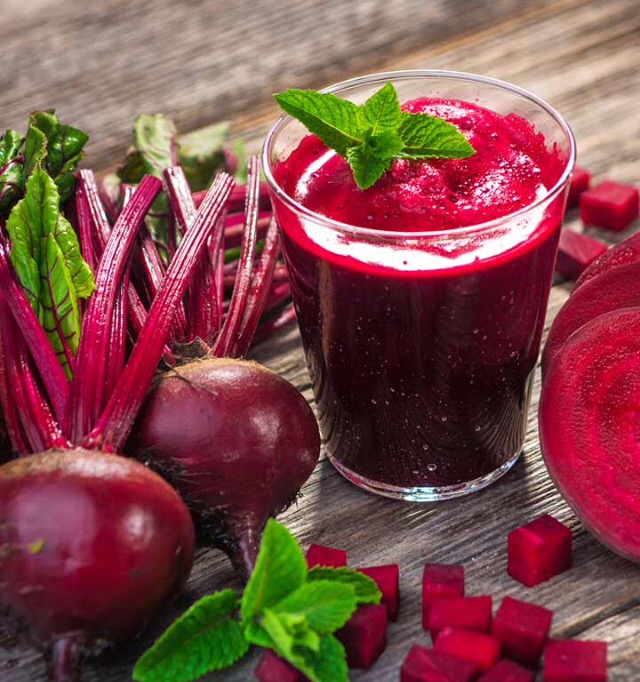
Today’s hack in the beetroot. This wonderful root vegetable not only has some incredible overall health benefits but could also give you a serious edge in your athletic performance. 

The beautiful and bright colour of beetroots can make anyone fall in love, yet it is often ignored or dismissed as an old school snack that belongs next to the pickled onions. Beetroot has however now been gaining amazing popularity as a popular superfood around the world. 

Beetroot is low in fat, full of powerful antioxidants, rich in Vitamin C, and helps in the absorption of iron. Both the leaves and the roots can be eaten. While the pink root is sweet, the dark green leaves are bitter but very rich in calcium, iron and Vitamin A.

These lil purple fellas are a great way to detox naturally. Beetroots are a unique source of betalains – a type of phytonutrient. These compounds are known to provide powerful antioxidant, anti-inflammatory and detoxification properties. Beetroot is in fact known as a great liver-protective food. It is a great liver cleanser and helps in flushing out all the toxins. With the help of compounds like methionine and glycine, it prevents fatty acids from building up and stimulates the liver cells.

As well as some serious antioxidant power, beetroots also have a number of other minerals including:

calcium

iron

magnesium

manganese

phosphorous

sodium

zinc

copper

selenium

Beetroots are also a great source of potassium. Potassium is a mineral electrolyte that helps nerves and muscles function properly. If potassium levels get too low, fatigue, weakness, and muscle cramps can occur. Very low potassium is especially an issue for athletes for the clear reasons above. Although the old banana is often heralded as a decent potassium provider when in need, we’ll go on to explore why the beetroot is really your perfect pre workout formula. 

Let’s dive in a lil deeper.. 

Blood pressure

Beetroot juice may help lower your blood pressure, even if temporarily. Researchers found that people who drank 8 ounces of beetroot juice daily lowered both systolic and diastolic blood pressure; systolic pressure referring to the amount of pressure in your arteries during contraction of your heart muscle and diastolic pressure being the blood pressure when your heart muscle is between beats. 

This is thought to be the result of the Nitrates found naturally occurring in beetroot (not to be confused with artificial Nitrites used to preserve meats such as bacon). These are compounds in beetroot juice that convert into nitric acid in the blood and help widen and relax blood vessels which allow more oxygen to flow to your brain, heart and muscles and thus, lowering high blood pressure.

Lowering blood glucose

Though high in sugar, beetroot actually helps in regulating your blood sugar levels. Studies have shown that it does not lead to high glucose concentration in the blood. This simply means that the natural sugars in beetroot are released very slowly in the body and thus, prevents sudden spikes. 

In the form of the juice, beetroots may actually help diabetics. If looking for a clean source of slow release carbohydrate to fuel your sporting (or general life) endeavours, beetroot really is a great energy option. 

Stamina 

According to a small 2012 study, drinking beetroot juice increases plasma nitrate levels and boosts physical performance. During the study, trained cyclists who drank 2 cups of beetroot juice daily improved their 10-kilometer time trial by approximately 12 seconds, while also reducing their maximum oxygen output.
 

Beetroot juice helps in opening the blood vessels and thus increases the flow of oxygen throughout your body making you feel more energetic and active. This is probably why it’s best to have it early morning to wake up your sleepy organs. 

Muscle Power

Results of a 2015 study suggest further benefits of nitrates in beetroot juice. The study showed that people with heart failure experienced a 13 percent increase in muscle power two hours after drinking beetroot juice.

Pregnancy Warning 

One compound in beetroot that causes concern for its use in pregnancy is betaine. As per studies, betaine had shown adverse effects in animal testing. And there are no adequate studies on pregnant women to support its safety.

Also, pregnant women are more sensitive to the effects of nitrites. Beets being high in nitrites must hence be avoided by expecting mothers. Not just the mother, even the fetus could be more sensitive to the toxicity of nitrites – especially during the 30th week of pregnancy when there is a rise in oxidative stress. 

Conclusion 

Alrighty, so we can see why the health benefits of lowering blood pressure, detoxifying the liver and balancing blood sugars make beetroots an awesome option. 

If though you’re looking for the ultimate pre workout, then honestly look no further. Allowing blood to pump more effectively around the body has obvious positive potentials for a athlete looking for that extra gear whether they’re pushing weights or cycling long distance. Add to that increases in muscle power and natural anti inflammatory qualities and you have all you need for the perfect pre work out formula for the gym, mats, track or whatever it maybe. 

Last point. Take your powdered beetroot in water or beetroot juice a MINIMUM of 2.5 hours BEFORE hitting your workout. Up to 3 hours is fine. If taken after it is a WASTE OF TIME! This is as the beetroot takes time to be processed and work through your system. Get organised, you won’t regret it. And just lastly, before I go off on a rant about the poor quality of pre workout supplements on the market, please, if you do need a little lift prior to training, don’t over tax your central nervous system and adrenal glands, just have a cup of coffee..

Till next time, thanks for reading! 

Snack Hack # 14 – Shiitake Mushrooms 

Welcome to a long overdue update to the Snack Hack series! These short posts aim to introduce ideas and tips that can help you get the most out of your body, mind and spirit. 

Today’s subject is our little fungal friend, the Shiitake mushroom. Shittake mushrooms are the second most popular and the third most widely cultivated edible mushroom in the world. The Chinese have used the shitake mushroom for medicinal purposes for over 6,000 years and consequently, it has become a symbol for longevity their. 

There are many benefits to adding mushrooms to your diet. Portobello mushrooms for example are high in iron, potassium and vitamin D but they just don’t rank as highly as the Shiitake variety for health.

Health Powerhouses 

The Shiitake mushroom is a rich source of selenium, iron, dietary fiber, protein and vitamin D & C. Shiitakes are also unique for a plant because they contain all eight essential amino acids, making them a great source of protein to build and repair muscle. 

Shiitake mushrooms are packed with B vitamins and have the power to fight cancer cells, cardiovascular disease and infections. This is because shiitake mushrooms have antiviral, antibacterial and antifungal properties. They also help to control blood sugar levels and reduce inflammation within the body

Shiitake mushrooms contain many chemical compounds that protect your DNA from oxidative damage, which is partly why they’re so beneficial. One such is L-ergothioneine which is a powerful antioxidant.

Copper also figures prominently in shiitakes with 65% of the daily value being offered per serving. This is significant because copper is one of the few metallic elements accompanied by amino and fatty acids, essential to human health. Since the body can’t synthesise copper, our diets must supply it regularly. But researchers say that not only do few people eat adequate amounts of copper-containing foods, but copper deficiency can also be a factor in coronary heart disease development.

Anti Carcinogenic 

Lentinan, a potent antifungal protein found in Shiitakes, heals chromosome damage caused by anticancer treatments. Studies have identified lentinan as the active compound responsible for anti-tumor effects in mouse studies. Lentinan is an approved drug in Japan. It is generally administered by injection and has been used as an agent to prolong survival of patients in conventional cancer therapy as well as in AIDS research. 

The anticancer properties of shitake mushrooms are thought to be linked to upregulation of the immune system. One study supports this idea, by showing a chemical in shiitakes could activate various components of the immune system. In an experiment with human colon cancer cells, shiitakes exhibited strong anti-cancer properties.

Fat Reducing 

Shiitakes are also a great source of a essential fatty acid called linoleic acid. Linoleic acid helps with weight loss and building muscle. It also has bone-building benefits, improves digestion, and reduces food allergies and sensitivities.

Certain components of the shiitake mushroom have hypolipidaemic (fat-reducing) effects, such as b-glucan, a soluble dietary fiber that’s also found in barley, rye and oats. Studies have reported that b-glucan can increase satiety, reduce food intake, delay nutrition absorption and reduce plasma lipid (fat) levels.

Cardiovascular Health

Shiitake mushrooms have sterol compounds that interfere with the production of cholesterol in the liver. They also contain potent phytonutrients (plant compounds) that help keep cells from sticking to blood vessel walls and forming plaque buildup, which maintains healthy blood pressure and improves circulation.

 Eritadenine, another substance found within Shiitakes, is responsible for helping to reduce cholesterol levels and support cardiovascular health. Researchers at Shizuoka University in Japan found that eritadenine supplementation significantly decreased VLDL and HDL cholesterol levels.

Boost Energy and Brain Function

As already highlighted, shiitake mushrooms are a great source of B vitamins. B vitamins can also help to support adrenal function and turn nutrients from food into useable energy. They also help balance hormones naturally and break through the brain fog to maintain focus all day long, even improving cognitive performance.

Beware 

There are a couple of issues with shiitakes that might effect the odd few users. Look out for digestive distress. This could also be a sign of the shiitakes are causing something called Eosinophilia. This is a blood condition that causes an abnormal increase in the number of a type of white blood cells. 

Some users of shiitakes have also experienced allergic reactions causing swollen throat and skin irritations. Personally I’ve never experienced any ill effects from them but if you’re a sensitive soul, just be aware.

Ok, well hopefully this Snack Hack has wet your appetite for some seriously health inducing mushroom shaped nutritional bombs. Until the next time, thanks for reading! 

Cheap Eat Nutrition # 28 – Nutritious whole foods on a budget – Pumpkin  Pancakes 

Welcome once again to the cheap eat recipe series! As ever our aim is to provide cost effective, simple and nutritional options that have whole foods as their core ingredients.

Today’s recipe is a super tasty weekend (or any other day for that matter) breakfast option. I present the pumpkin pancake! Although we’re past Halloween, this continues to be a go to for me all year round. It’s low in carbohydrate, incredibly satisfying and won’t cause high blood sugar spikes. 

I just wanted to add I recognise canned pumpkin isn’t exactly super cheap and this recipe does have a few ingredients that can add up. However, I believe when it comes together, it is a treat worth treating yourself to. 

Ingredients:

(Served 2)

– 4 eggs 

– Half can of puréed pumpkin 

– 1 tsp of vanilla extract 

– 1 tsp of Ceylon cinnamon 

– 1 tsp of honey (optional/can be switched with tble spoon of maple syrup)

– 1/4 tsp of baking soda

– 2 tble spoon of butter 

– 1 heaped tsp of coconut oil (for cooking) 

Method:

– Whisk eggs and pumpkin together thoroughly in bowel

– Melt the butter and honey (if using) separately. Combine them into pancake mixture along with tsp of vanilla extract 

– Sift cinnamon and baking soda into recipe and whisk mixture thoroughly 

– Melt coconut oil into shallow frying pan on a low heat. Scoop out palm sized portions of mixture into hot pan once oil has melted.

– Allow pancake to heat until small bubbles are seen coming through the mixture. Now flip and cook for roughly two minutes on the the other side.

– Serve and enjoy with a side of full fat Greek yogurt and some homemade nut butter;
http://whatsuppblogblog.com/2017/01/22/cheap-eat-nutrition-7-paleogluten-freelow-carbhigh-healthy-fat-quick-easy-and-on-a-budget/

I hope you’ve enjoyed another cheap eat nutrition recipe, please comment and share. Till next time!