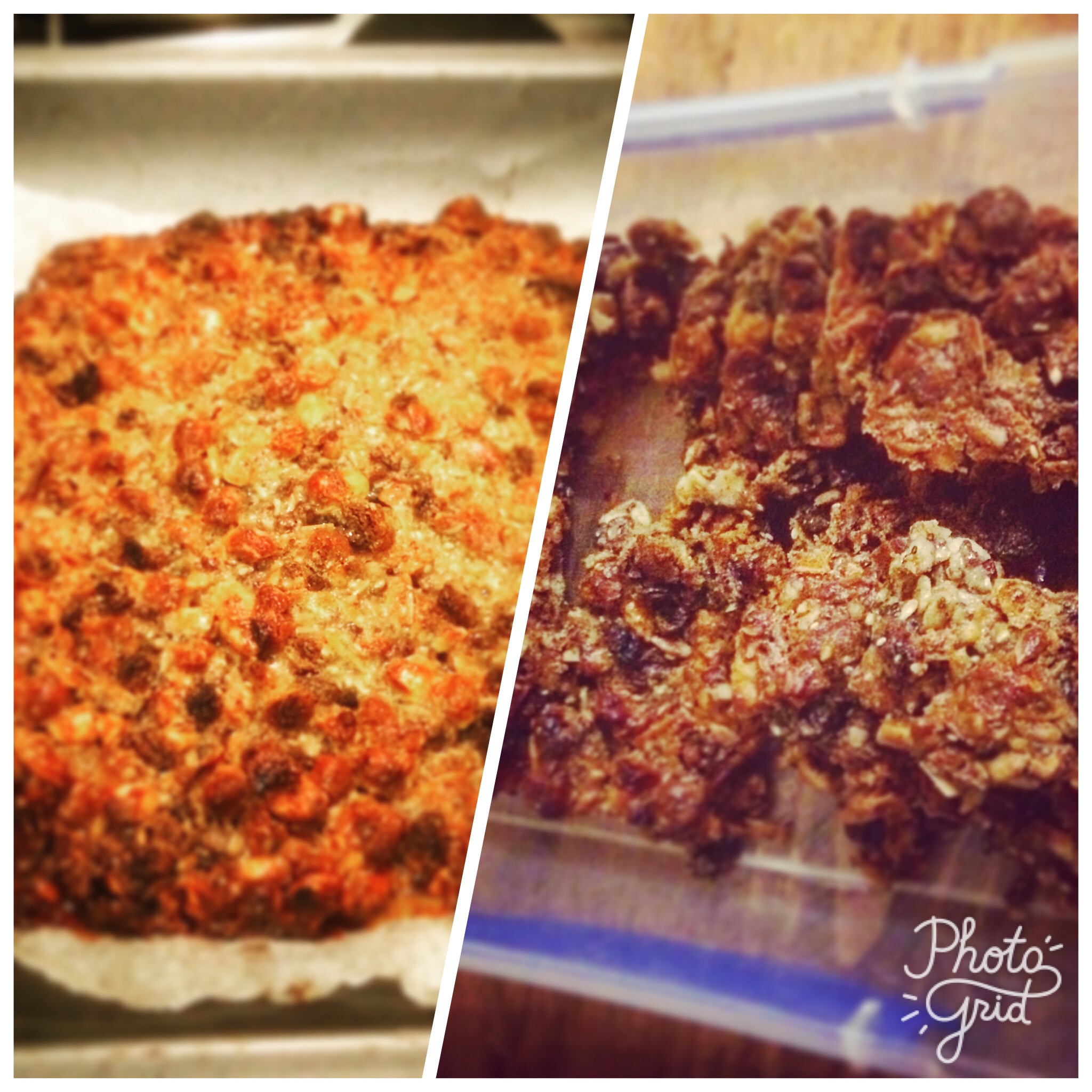
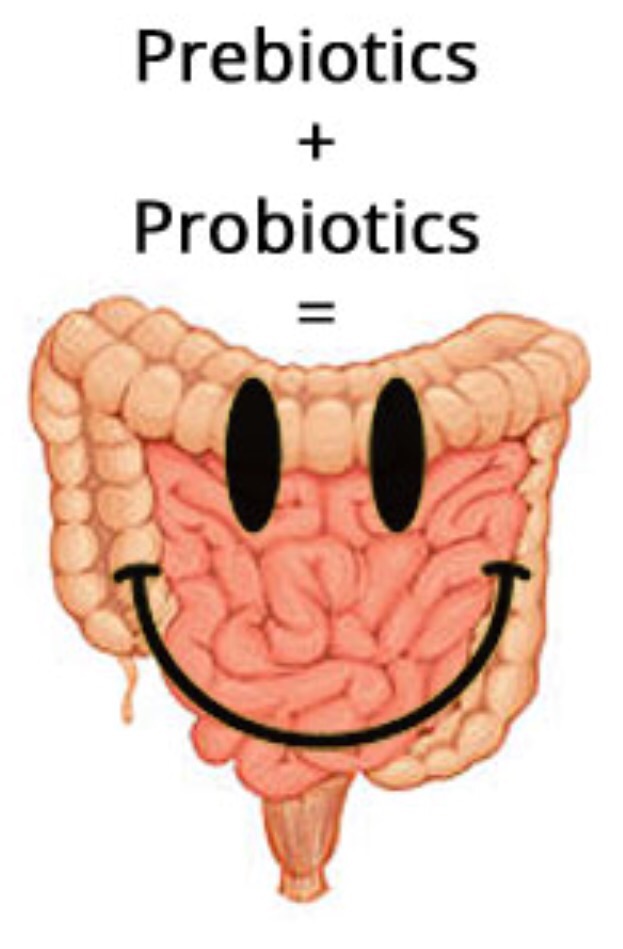
Cheap Eat Nutrition # 12 – low carb/paleo/keto/gluten free and affordably inspired – Grainfree Granola Bars 


We’ve got another pretty tasty recipe once more today. For those reading this for the first time, in the cheap eat recipe series the goal is purely to bring whole foods to your plate that are free from refined and added nasties, whilst also being cheep and easy to make.
With all that aside, let’s crack on! Today’s recipe is for healthy(ish) paleo granola bars. 

What I will say off the bat is this recipe does include quite a fair bit of sweetness by way of honey/natural syrup. There’s no getting away from the fact that although both these sweeteners are a better option than refined, man made alternatives, they are still sugars and as such will spike insulin. That being said, they are damn tasty, no grains or gluten, and inclusive of some other serious nutritional qualities!

Alright so here’s what you need;

Ingredients 

– One and a half cups of mixed nuts (unsalted)

– Half a cup of shredded coconut (unsweetened)

– Half a cup of raisins & dates 

– Two thirds a cup of pumpkin seeds

– Two thirds a cup of sunflower seeds 

– Three tbsp of chia seeds

– Three tbsp of sesame seeds 

– One third a cup of unsweetened almond butter (check out earlier recipe here to make your own; http://whatsuppblogblog.com/2017/01/22/cheap-eat-nutrition-7-paleogluten-freelow-carbhigh-healthy-fat-quick-easy-and-on-a-budget/

– Two tbsp of coconut oil 

– One third a cup of honey or a fruit syrup such as date syrup 

Method

– Preheat oven to 175c 

– Prepare dish lined with parchment paper. Grease this with butter or coconut oil.

– Roughly chop or crush half the nuts. Blend the rest on food processor. 

– Melt coconut oil and mix together with honey/fruit syrup, set to one side

– Mix all ingredients together in a bowl thoroughly

– Add coconut oil and honey, mix again thoroughly

– Place mixture in the backing tray and spread out evenly

– Bake in oven for 15 – 20 minutes

– Once baked, remove from oven and allow to cool for 20 minutes 

– Now remove from tray still in parchment paper and place in fridge for about 40 minutes 

– Remove from fridge, cut as you please and enjoy! 

Snack Hacks # 6 Minimalistic footwear and exercise 

Aand a warm welcome back for another What Supp Blog snack hack! 

The hacks presented in the snack hack series are simple and actionable tips and tricks that help to optimise physical and mental health and performance.

Today we will take a look at the minimalistic footwear that is the five finger shoe and its use in physical excersice.  

The classic piece of footwear, and one I have consistently used, are the Vibram five finger shoes. I started using Vibrams initially just in the gym when I was doing weight based workouts. With recommendations for doing the squat and dead lift barefoot rife, I noted these as the simple middle ground that would not cause offence quite like my bare sweat smelling plates of meat likely could and would.

They certainly aided me feeling more connected to the floor and over the course of a couple of years I transitioned from doing all gym work with Vibrams to longer distance running and eventually, sprints. Purely antidotally I have seen calf splints completely disappear, with far greater movement and flexibility in the arch of the foot and the toes. 

So as you can see, I’m an advocate. But similarly, I’m not blind, and somewhat shamefully, do still occasionally get self conscious when I get the odd side glance and giggle. With this in mind, I want to explain what the five fingers do to make the change worth your while whilst generating a beaming smile of smugness to angle right back at any would be detractor! 

The flexibility of the Vibram sole is the key winning element to the design. It has a very thin and flexible sole that encompasses the foot very closely and ensures the foot fully connects with the ground upon impact. As such this allows for the 60-odd joints in your feet to function as they were originally intended. 

This is opposed to a regular shoe, where they can be constrained so much that they aren’t allowed or needed to move. As the body works on the least energy principle, this means that if something doesn’t have to work, it pretty much shuts down.

Think about in regards to the knees, ankles and hip. If any part of this kinetic chain starts to shutdown, the rest will get overworked in trying to create stability. For example, commonly seen ankle problems occurring in runners whom trainers facilitate an absence of the natural ability to have the toes and ankle work as a team, thus causing additional stress on a smaller radius area, being the ankle. Think also how a built up heal will not allow for full extension of the Achilles thus causing tightness,  strain and a clearer potential risk area for injury.

If we take running or walking, when the foot functions in the way it was designed, your foot strikes the ground, the arch pronates (rolls in), creating a rotational force around your knee, your hip, your lower back and up into your opposite shoulder. This rotational force winds up not only the connective tissues and fascia of the leg, but also your lower back, your upper back and your shoulder.

The angle of the facet joints in the spine is such that as you step forward, 50% of the connective tissues around the facet joints are on stretch and the others are relaxed at any one time. When that stretch is released, it creates kinetic potential, something like a rubber band.

The very act of walking, and your foot striking the ground, creates a ground reaction force that is harnessed by your connected tissues and actually used to unwind you into the next phase of gait. You literally spring yourself forward, and dissipate that load throughout the whole of your body.

The more cushioning you have under your feet, the more out of sync this whole process becomes. Therefore you aren’t as effective at dissipating those loads throughout the whole of the body, and you end up with knee, ankle and hip injuries as the muscular system takes more of the heavy lifting. 

Now changing gears a little, there was a 2012 court case against Vibram for making the following claims regarding research backing up that their five finger shoes. Vibram claimed the five fingers will;

(1) Strengthen muscles in the feet and lower legs 

(2) Improve range of motion in the ankles, feet, and toes

(3) Stimulate neural function important to balance and agility

(4) Eliminate heel lift to align the spine and improve posture

(5) Allow the foot and body to move naturally

Now, Vibram opted to settle this out of court which of course insinuates a arguably clear degree of guilt and could discredit their minamalistic running revolution. However, what needs to be kept in mind is that whether the five finger shoes did or did not improve the said points was never up for debate, only whether the research legitimately proved it. In short, it didn’t, but many factors could influence that as well as the clear one, did the research exist prior to releasing the product? 

This all dose not discredit the use of five finger shoes of course, nor plain old barefoot excersice and running. What are legitimate cons to training in five finger shoes are however that the risk of puncture wounds increase and any transition to five finger shoes takes time. Any rushed efforts will likely result in aggravating old or potential injury. Similarly, poor form will not be solved by any amount of barefoot or minimalist shoe excersice or running. In fact if the form is poor, impact injuries will likely be increased by wearing Vibrams.

So in conclusion, there is a strong argument to use five fingered shoes as they will increase the overall stability and strength of not just the foot but the whole kinetic chain involved in an activity such as running. 

If you are planning to transition over, do it slowly and build up the amount of time you exercise in five finger shoes. If you aren’t quite ready to experience their benefits in every day life, do try to reduce the use of wearing any shoes/trainers with built up heals. A perfect option for anybody is the Converse Chuck Taylors. 

Ok, well thanks for reading! If you enjoyed this piece, please share, like and comment. Your thoughts and feedback are always much appreciated! 

The Powerhouse Veg

cruciferous.jpg


Welcome back to the What Supp Blog. Today’s piece will look at Cruciferous vegetables. Broccoli, brussel sprouts, cabbage and cauliflower – these are examples of cruciferous vegetables that, for good reasons other than it sounds cool, are also known as the powerhouse vegetables.


Yes yes, I know, “eat your greens”, of course they’re good for you. Next I may even suggest water as useful to aiding the hydration process. But you’ve got this far so hear me out. There is pretty good reason it’s “eat your greens”, not “eat your reds/beiges/off white yellowishes”.


So let’s see what are these holy grail of the veg world and why they should make a large percentage of our daily meals. We will explore what is the goodness within these plants, what can they give us and how do they do it.


Firstly though, see the below comprehensive list of what constitutes as a member of the cruciferous vegetable family.


– Horseradish

– Land cress

– Ethiopian mustard

– Kale

– Collard greens

– Chinese broccoli (gai-lan)

– Cabbage

– Savoy cabbage

– Brussels sprouts

– Kohlrabi

– Broccoli

– Broccoflower

– Broccoli romanesco

– Cauliflower

– Wild broccoli

– Bok Choy

– Komatsuna

– Mizuna

– Rapini (broccoli rabe)

– Choy sum (Flowering cabbage)

– Chinese cabbage

– Napa cabbage

– Turnip root greens

– Rutabaga(swede)

– Siberian kale

– Canola/rapeseed

– Wrapped heart mustard cabbage

– Mustard seeds, brown; greens

– White mustard seeds

– Black mustard seeds

– Tatsoi

– Wild Aragua

– Arugula (rocket)

– Field pepperweed

– Maca

– Garden cress

– Watercress

– Radish

– Wasabi

– Daikon


(No, I’ve not heard of half of them either)


So let’s have a look at what packs the punch in these nutrient dense powerhouse veg, and then explore the science as to how they do what they do.


Vitamins and Minerals 


Cruciferous vegetables are low-calorie, rich in folate, vitamins C, E, and K, and fiber. It could just be easier to think that in some respects, it’s actually simpler to just dismiss them and think you can get the related goodness from good old ‘fortified’ this and ‘15% off this week only’ supplemental that. In fact I’d argue these vitamins and nutrients are often just names that are bandied about on daily basis and although ‘we know they’re good for us’, question is; do we actually know why they are good for us?


So with the above’s little insights in mind, let’s have a look at exactly what we are getting from these plant powered nutrient powerhouses and better understand how they help the body.


First up we have folate. folate is a B-vitamin. Our bodies need folate to make DNA and other genetic material. Folate is also needed for the body’s cells to divide, hence its important role in pregnancy.


Secondly we have vitamin C. This ascorbic acid is a water-soluble vitamin. We can’t store it in the body, which means we need it from our diet every day. Vitamin C helps protect cells and keep them healthy. It acts as an antioxidant, helping to protect cells from the damage caused by free radicals. It is also involved in the production of collagen, which maintains healthy connective tissues, important for the support and structure of tissues and organs including the skin, bones and blood vessels.


Vitamin C also helps with wound healing; it works synergistically to increase the amount of iron we can absorb from the plant sources we ingest.


Next up Vitamin E. The most widely known health benefits of vitamin E are protection against toxins such as air pollution, premenstrual syndrome, eye disorders such as cataracts, neurological diseases such as Alzheimer’s disease, and diabetes.


Vitamin E is a fat-soluble vitamin, which plays a role as an antioxidant in the body. It also helps to prevent free radical damage to specific fats in the body that are critical for your health.


Vitamin E is an important vitamin that is required for the proper functioning of many organs in the body and is extremely useful in naturally slowing aging. This can be seen in the repairing of skin, thicken hair and improves vision. It also improves both strength and endurance. Lastly, vitamin E is also a great balancing agent, being seen to balance hormones, PMS symptoms and cholesterol no less!


Last up, Vitamin K. Vitamin K is a fat-soluble vitamin that is most well known for the important role it plays in blood clotting. However, vitamin K is also absolutely essential to building strong bones, preventing heart disease, and crucial parts of other bodily processes such as optimising your insulin levels.


Vitamin K is also an important adjunct to vitamin D, and nearly everyone tested is deficient in both . Recent research has shown that having adequate vitamin K is important in preventing heart disease, osteoporosis, diabetes, multiple types of cancer, and even Alzheimer’s disease.


Lastly lastly, cruciferous vegetables are stacked full of fiber. Fiber is an important nutrient to incorporate, especially if weight loss is a goal, as it helps keep you fuller longer. Many of us may associate fiber with better health and increased toilet time, but fiber is also the speed bump of your gastrointestinal interstate as it slows everything way down.


Technically, fiber works by slowing the transit of food across the ileocecal valve (which sends signals from the small intestines to the large intestines), keeping your stomach fuller for longer. The result is a greater feeling of satisfaction and increase of appetite-suppressing CCK-like signals (CCK is a peptide in the gastrointestinal tract that signals fullness).


Besides controlling blood sugar levels and decreasing insulin levels, fiber also reduces calorie intake for up to 18 hours a day!


How the magic works


So lets delve a little into how cruciferous vegetables deliver these powerful nutrient bombs to the system.


Phytochemicals are chemical compounds produced by plants. They are there to help them thrive or thwart competitors, predators, or pathogens and even fight off the harmful effects of the sun’s rays.


So how do we get all this goodness delivered? Phytonutrients. These are the nutritional part of the plant the body absorbs and is often referred to interchangeably with phytochemicals). Cruciferous vegetables are an extremely good source of phytonutrients. Although there are elements of the phytonutrients that are not completely great, which we’ll explore in a bit, there are many a reason to increase them in your daily diet.


There are numerous types of phytonutrients, many of which are also antioxidants. Antioxidants are like crime fighters in your body. They stop free radicals, or unstable molecules, that steal from healthy cells in the body to cause damaging changes. Free radicals are compounds formed when our bodies convert the food we eat into energy. When a free radical comes in contact with a healthy cell it turns it into another free radical, and the chain of free radical formation just continues to continue. Antioxidants stop this damaging chain of free radical formation however, therefore protecting our cells.


Cancer prevention?


Two key messages to take away first are that these plant-based compounds may well just help lower both systemic and acute inflammation whilst also helping to reduce the risk of cancer.


Also present in cruciferous vegetables are glucosinolates. These chemicals are not only responsible for the aroma and flavor of the plants, but they have also been shown to have anticancer effects.


According to the National Cancer Institute, studies in rats and mice have demonstrated that indoles and isothiocyanates, the compounds that form from broken down glucosinolates, protect cells from DNA damage, inactivate carcinogens, and have antibacterial and anti-viral effects.


Admittedly however, the link between consuming cruciferous vegetables and a reduced risk of cancer in humans is not quite as clear. Specifically, prostate, colorectal, lung, and breast cancers have been studied, and most show little to no association.


However again, a few studies have shown that the bioactive components in cruciferous vegetables have beneficial effects on biomarkers of cancer-related processes in some people. So in conclusion, although some of the anti-carcinogenic potential and credentials of cruciferous vegetables may be in question, there is still plenty of health promoting qualities that are not.


Sulforaphane


No discussion regarding cruciferous vegetables would be complete without a nod to sulforaphane.


Technically, sulforaphane does not naturally occur in cruciferous vegetables. A healthy, mature broccoli plant, for example, will contain no sulforaphane. However, as soon as the plant is damaged an enzyme called myrosinase is released that reacts with glucoraphanin, a compound that is sulforaphane’s precursor.


This process is not a gift from nature to ensure human health, it is actually the plant’s defense mechanism. Sulforaphane is designed to be toxic to the plant’s predators and can be toxic to humans in large quantities, (remember discussion about the phytochemicals?). However, in small quantities, sulforaphane creates a hormetic effect. A hormetic effect is what happens when we gain beneficial effects from something that would be toxic or lethal in higher doses.


These profound effects are not only due to sulforaphane’s cell protecting properties. Sulforaphane also has the capacity to be selectively toxic to malignant cells, while simultaneously enhancing the detoxification of aflatoxins and airborne toxins like smoke. It also has been shown to have potent affects on the brain.


Sulforaphane is essential for brain health, especially in healing damaged brains. In cases of traumatic brain injury and Alzheimer’s disease, sulforaphane has been found to improve memory and learning abilities. Scientists think that this may be associated with its ability to promote neurogenesis and reduce the aluminum load in the brain.


Studies have found that sulforaphane triggers the creation of brown fat in mice. Brown fat is a healthier form of fat storage that actually increases energy consumption. Sulforaphane also improved the gut flora of mice compared to other mice that were fed the same diet without sulforaphane. This may mean that sulforaphane can change our body composition by promoting brown fat storage and a healthy gut flora while staving off unhealthy, inflammatory white fat.


Studies have also found that sulforaphane aids in the reversal of fatty liver disease, preventing lung damage from inhaled toxins, reducing hypertension, and improving mood.


Eating just 3 to 5 servings per week of cruciferous vegetables can lead you to experience the benefits of sulforaphane. The number one source for sulforaphane is broccoli sprouts, and 3-day-old sprouts at that to be precise! Check out my other post about how to simply grow these little darlings https://nutrition4fighters.wordpress.com/2017/03/11/snack-hack-2-broccoli-sprouts/


Parting shots


Before closing, something to be mindful of before loading up the smoothy blender with a ton of cruciferous veg. Sorry to be the bearer of bad news, but cruciferous vegetables should in the main be cooked before eating as they contain chemicals that can block the production of thyroid hormone in your body.


Eating raw cruciferous vegetables actually suppresses your thyroid’s hormone production, creating fatigue, coldness in your body and a slowing of your metabolism.


Here is the list of common cruciferous vegetables that you do not want to be eating raw if you want to protect your thyroid gland; Arugula, broccoli, kale, macs root, cauliflower, cabbage, turnip, collard greens, bok choy, brussel sprouts, radish, rutabaga, and watercress. Do however be mindful that these veg have to be consumed in quite a large quantity raw to have a significantly negative effect upon the body, so don’t worry to much!


Ok, so lots to take in! Hope you’ve enjoyed this article and learned a little. Any questions or queries, please just drop me a message. As ever, show the love by giving the article a share, like and follow the blog, thanks people!
Snack Hacks # 5 Prebiotics Vs Probiotics


So we have got another ever so catchy “snack hack” for you today. As ever, these are nutritional and supplemental hacks that are simple, easy and actionable.

 Today I’m going to present the difference between prebiotics and probiotics, explaining just why both are so important in your diet and what are descent sources of each that can be supplemented into your healthy lifestyle. 

Both prebiotics and probiotics are synonymous with good gut health, and in case you’ve been hiding under a (gall)stone for the last few years, gut health has been getting a high profile of late. This is for good reason , as a healthy gut is linked with everything from improved immune system to better mental health. 

While they sound very similar and are often confused, prebiotics and probiotics are not the same, although they both help to enhance the growth of healthy bacteria in the body and aid healthy digestion. 

Probiotics are types of ‘living’ friendly bacteria similar to those that inhabit, for the most part, our digestive tract. Other types of probiotics also include yeast. 

Probiotics help to maintain the healthy levels of good bacteria in the intestines and gut. They also serve to support our overall immune defences by helping to reduce inflammation. 

Although more commonly associated with being useful for anyone suffering from the uncomfortable symptoms of bloating, gas or flatulence and assisting in decreasing the duration of diarrhoea in kids, probiotics potential extend much further. Recent research continues to link the health of the gut with both poor mental health and autoimmune conditions.  And if that isn’t enough, they also may help to restore good bacteria after a course of antibiotics. 

Probiotics get into our intestines from the foods we eat or by taking additional supplements. There are many types of probiotics and each one behaves differently in our gut. Types of probiotics naturally found in cultured or fermented foods can include many, many different strains which can have varying impacts on improved gut health. For example two better know strains; lactobacillus or bifidobacteria that are very beneficial can be found in yoghurt. Look for “live or active cultures” on the label to be sure your favourite brand of yogurt to ensure a rich source of probiotics. 

Other good sources in food include; 

buttermilk, aged and fermented soft cheese (such as Gouda), sauerkraut, kimchi, sourdough bread, miso, and tempeh. Look out for fermented drinks also such kombucha and kefir. The common feature of all these foods and drinks is the fermentation, a process that produces a large number of probiotics.

While probiotics have been shown effective in managing certain gastrointestinal conditions, they do not have the same power that prebiotics do.

 Prebiotics are ‘non‐living’ plant fibre that reach the large intestine, bowel or colon unaffected by digestion,. These non digestible carbs then serve to feed and nourish the good bacteria in our gut, helping them to grow and flourish. While probiotics introduce good bacteria into the gut, prebiotics act as a fertiliser for the good bacteria that’s already there. 

Prebiotics help your good bacteria to grow, improving the good-to-bad bacteria ratio. This ratio has been shown to have a direct correlation to your health and overall wellbeing, from your stomach to your brain.

Unlike probitoics, prebiotics are not alive. Most prebiotics are some form of fiber. Our body does not digest fiber, but the bacteria in our gut, including the probiotics, digest the fiber. Feeding these helpful bacteria keeps them doing what they are supposed to do in order to help our health.

As highlighted, the body itself does not digest these plant fibers. Instead, it uses these fibers to promote the growth of many of the good bacteria in the gut, hence the importance. These, in turn, provide many digestive and general health benefits. 
Recent studies have also shown prebiotics and good bacterial gut balance play a direct role in mental health. Individuals who consume prebiotics on a daily basis have fewer issues with anxiety, depression, and stress. In fact in one study, when their saliva was tested, it contained lower levels of cortisol. High levels of this hormone have been linked directly to mental health disorders.

Prebiotics such as fructooligosaccharides (FOS) and galacto‐oligosaccharides (GOS) are naturally found in many foods including: 

Legumes; Whole wheat products; Rye based foods; Artichokes; Jerusalem artichoke; Banana; Asparagus; Onions; Cabbage; Garlic and Chicory root – the top source, with almost 60% fibre. ​
   

Let’s look at some points to be mindful of when seeking to mobilise your gut health game. Firstly be aware probiotics are delicate, both heat and stomach acid can kill them, rendering them ineffective before they’ve even been digested. Also, and this could prove a little controversial, those who don’t eat dairy foods may find ingesting adequate amounts of probiotics difficult. Not impossible however and just incredibly important to up the quantity of other fermented foods and drinks highlighted earlier.  

Finally, we don’t know which “good” bacteria our unique bodies would benefit from. For some people, a certain good bacterial strain would be helpful. For others, it may not. When we consume probiotics, we’re taking a guess at which bacteria might be helpful and hoping for the best. We’re also hoping the ones that make it past the heat and acid of our stomach will actually go on to provide some health benefits to our system. This demonstrates the need to ensure plenty of variety, trial and error! 

Prebiotics however, unlike probiotics, are not destroyed in the body. They are not affected by heat or bacteria. Getting the full benefits of prebiotics is easy, especially when consumed in a full spectrum supplement form but also in the mere fact they are available in many foods that (should and easily) make up your daily diet.

Well, here we are again at the end of another snack hack! If you like what you read, please show the love through a comment and sharing with others. Till next time friends.