Snack Hacks # 5 Prebiotics Vs Probiotics


So we have got another ever so catchy “snack hack” for you today. As ever, these are nutritional and supplemental hacks that are simple, easy and actionable.

 Today I’m going to present the difference between prebiotics and probiotics, explaining just why both are so important in your diet and what are descent sources of each that can be supplemented into your healthy lifestyle. 

Both prebiotics and probiotics are synonymous with good gut health, and in case you’ve been hiding under a (gall)stone for the last few years, gut health has been getting a high profile of late. This is for good reason , as a healthy gut is linked with everything from improved immune system to better mental health. 

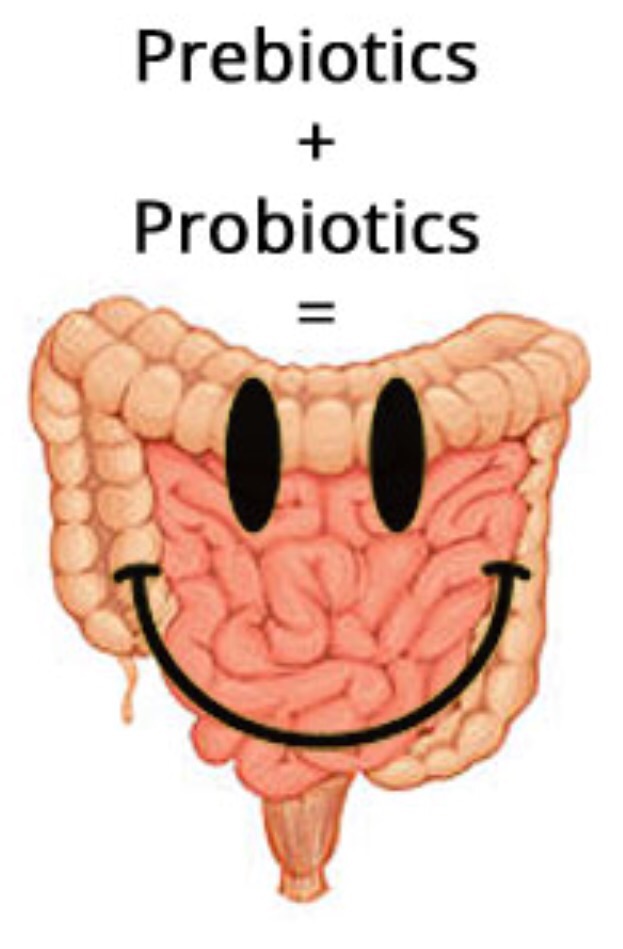
While they sound very similar and are often confused, prebiotics and probiotics are not the same, although they both help to enhance the growth of healthy bacteria in the body and aid healthy digestion. 

Probiotics are types of ‘living’ friendly bacteria similar to those that inhabit, for the most part, our digestive tract. Other types of probiotics also include yeast. 

Probiotics help to maintain the healthy levels of good bacteria in the intestines and gut. They also serve to support our overall immune defences by helping to reduce inflammation. 

Although more commonly associated with being useful for anyone suffering from the uncomfortable symptoms of bloating, gas or flatulence and assisting in decreasing the duration of diarrhoea in kids, probiotics potential extend much further. Recent research continues to link the health of the gut with both poor mental health and autoimmune conditions.  And if that isn’t enough, they also may help to restore good bacteria after a course of antibiotics. 

Probiotics get into our intestines from the foods we eat or by taking additional supplements. There are many types of probiotics and each one behaves differently in our gut. Types of probiotics naturally found in cultured or fermented foods can include many, many different strains which can have varying impacts on improved gut health. For example two better know strains; lactobacillus or bifidobacteria that are very beneficial can be found in yoghurt. Look for “live or active cultures” on the label to be sure your favourite brand of yogurt to ensure a rich source of probiotics. 

Other good sources in food include; 

buttermilk, aged and fermented soft cheese (such as Gouda), sauerkraut, kimchi, sourdough bread, miso, and tempeh. Look out for fermented drinks also such kombucha and kefir. The common feature of all these foods and drinks is the fermentation, a process that produces a large number of probiotics.

While probiotics have been shown effective in managing certain gastrointestinal conditions, they do not have the same power that prebiotics do.

 Prebiotics are ‘non‐living’ plant fibre that reach the large intestine, bowel or colon unaffected by digestion,. These non digestible carbs then serve to feed and nourish the good bacteria in our gut, helping them to grow and flourish. While probiotics introduce good bacteria into the gut, prebiotics act as a fertiliser for the good bacteria that’s already there. 

Prebiotics help your good bacteria to grow, improving the good-to-bad bacteria ratio. This ratio has been shown to have a direct correlation to your health and overall wellbeing, from your stomach to your brain.

Unlike probitoics, prebiotics are not alive. Most prebiotics are some form of fiber. Our body does not digest fiber, but the bacteria in our gut, including the probiotics, digest the fiber. Feeding these helpful bacteria keeps them doing what they are supposed to do in order to help our health.

As highlighted, the body itself does not digest these plant fibers. Instead, it uses these fibers to promote the growth of many of the good bacteria in the gut, hence the importance. These, in turn, provide many digestive and general health benefits. 
Recent studies have also shown prebiotics and good bacterial gut balance play a direct role in mental health. Individuals who consume prebiotics on a daily basis have fewer issues with anxiety, depression, and stress. In fact in one study, when their saliva was tested, it contained lower levels of cortisol. High levels of this hormone have been linked directly to mental health disorders.

Prebiotics such as fructooligosaccharides (FOS) and galacto‐oligosaccharides (GOS) are naturally found in many foods including: 

Legumes; Whole wheat products; Rye based foods; Artichokes; Jerusalem artichoke; Banana; Asparagus; Onions; Cabbage; Garlic and Chicory root – the top source, with almost 60% fibre. ​
   

Let’s look at some points to be mindful of when seeking to mobilise your gut health game. Firstly be aware probiotics are delicate, both heat and stomach acid can kill them, rendering them ineffective before they’ve even been digested. Also, and this could prove a little controversial, those who don’t eat dairy foods may find ingesting adequate amounts of probiotics difficult. Not impossible however and just incredibly important to up the quantity of other fermented foods and drinks highlighted earlier.  

Finally, we don’t know which “good” bacteria our unique bodies would benefit from. For some people, a certain good bacterial strain would be helpful. For others, it may not. When we consume probiotics, we’re taking a guess at which bacteria might be helpful and hoping for the best. We’re also hoping the ones that make it past the heat and acid of our stomach will actually go on to provide some health benefits to our system. This demonstrates the need to ensure plenty of variety, trial and error! 

Prebiotics however, unlike probiotics, are not destroyed in the body. They are not affected by heat or bacteria. Getting the full benefits of prebiotics is easy, especially when consumed in a full spectrum supplement form but also in the mere fact they are available in many foods that (should and easily) make up your daily diet.

Well, here we are again at the end of another snack hack! If you like what you read, please show the love through a comment and sharing with others. Till next time friends. 
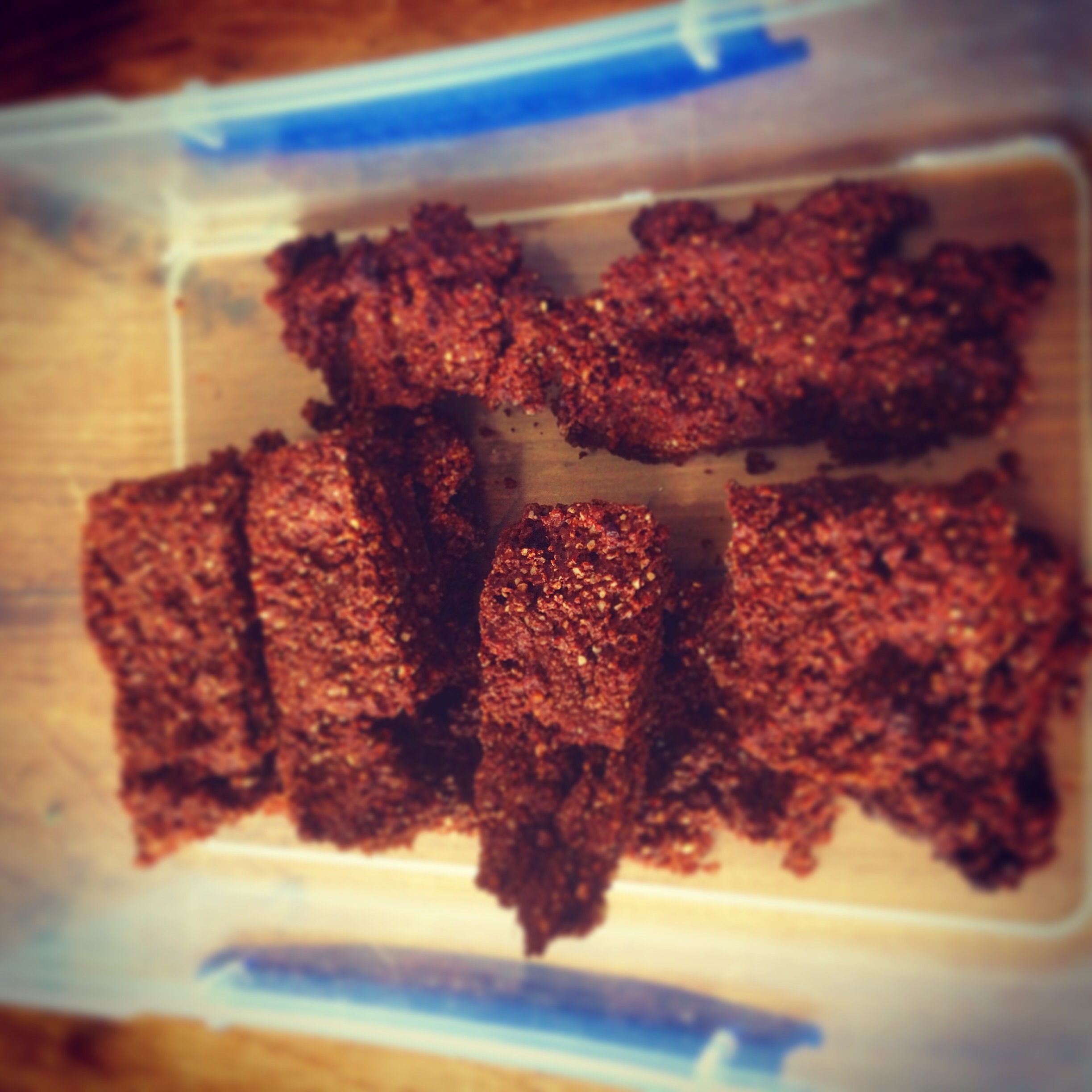


Cheap Eat Nutrition # 11 – low carb/paleo/keto/gluten free and affordably inspired – Chocolate Ginger Brownies 


Keeping with the sweet taste from our last cheap eat nutrition recipe, here we have for you some rather tasty chocolate brownies. 
These brownies are completely wheat, grain and gluten free. You can mix the sweetener up from honey to date syrup but sorry vegans, eggs are essential in this one! 
Ingredients:
– 2/3 eggs (2 large or 3 regular)

– 3 cups of almond flower 

– half a cup of unsweetened cocoa powder 

– 1 to 2 teaspoons of ground ginger (depending on your taste buds, I like 2 though for a stronger ginger flavour)

– 1 teaspoon of ground nutmeg 

– 3 quarters of a cup of honey or date syrup (this can be played with a bit to lessen the sweetness but I wouldn’t recommend going below 1 quarter)

– 1 quarter a cup of coconut oil 

– 1 quarter a teaspoon of sea salt
Method:

(Allow 35 minutes including cooking time)
– Preheat oven to 170c 

– Grease medium sized backing tray and set aside
– Sift flour, cocoa powder, salt and spices together in a mixing bowl and set aside

– Stir honey/syrup and coconut oil together in a saucepan on a low heat 

– Add warm honey/syrup and coconut oil to the eggs in a large mixing bowl and whisk together 

– Slowly, start adding flour mix and whisk I together to make as smooth as possible 

– Place in tray the heat in oven for 20 to 25 minutes, or until a knife comes out of the middle clean 
Hope you enjoy this lovely little sweet treat, please leave a comment and share to show the love! 

Snack Hacks # 4 implementing good habits 

Right, so time for another snack hack, a little bite size biohack you can implement nice and easily.

We’re going to have a look at starting and maintaining good habits today. This is a big one for me and something I seriously struggle with. Like many, I’m full of many a good intention on January the 1st, only for all for it to come tumbling down by February (at the latest!)

These are some easy mindset hacks that I have picked up from a number of experts from Tim Ferris to Dave Asprey. I hope they they may be reflected upon to start putting some changes in place in whatever area you might have that could require a little attention. 

– Set micro habits. If you always shoot for the stars, the odds suggest you’re going to sometimes full short. Now I’m not knocking big plans but set the habit low and work up. For example, want to get fit? Two press ups a day. Want to change diet? Cut one sugar from your tea. Meditation? Set the clock for 2 minutes. Ok, you get the idea. The logic goes that most of the time you will reach beyond this goal as it’s so easily attainable and a sense of reward, as opposed to failure, will come along with it. Once the routine’s set, build up and away. 

– If/then scenario. So this piece of preparatory work sets the mind to plan for barriers to success. For example, if I’m offered the pudding menu, I’ll ask for a coffee. If it’s raining before my run, I’ll go for a shorter distance and wear such and such waterproofs. This serves to address the worst case scenarios before they occur, so if they do, the resolve is already in place. 

– Repetition and routines. This is key. The less decisions and thinking needed, the better and more likely you are to succeed. Pack the gym bag the night before. Schedule and book out the time (preferably same day/time) each week to ensure you prioritise. Make this time non-negotiable, switch off the phone, laptop, etc. Micro habits can also come in here again to ensure compliance. 

– Book/pay/commit. Building on the last point, pay in advance and commit to activities with others where possible. This makes you culpable. Vocalise the habits you wish to change to those closest, this also brings a level of culpability which can increase chances of success. 

– Positive and negative reinforcement. This is huge. Reward mechanisms in your brain basically work like so: trigger – behaviour -reward. An example would be: Trigger of feeling bored and wanting a distraction; behaviour of going online and browsing shopping website then buying new jeans which are now on route; reward, they will hopefully make you look good and feel great. Now it might not feel particularly rewarding just thinking, “it will make me feel bad later and I’ll be skint.” So what will change the reward process? Becoming curious! What does this mean?…  

I’ve talked about mindfulness and meditation in another post so I won’t bang on about it here, but one of the key things it brings is the differentiation between being and doing. This awareness naturally results in curiosity. By this I mean, what are the phycological and physiological processes that are happening when you see that item on eBay you want to bid for, or that cookie going spare? Recognise the process the body and mind goes through (the trigger, behaviour, reward). This curiosity, and subsequent self-awareness, can prove to be rewarding and as such, set a new reward pathway up.

A side note on this is that the pre-frontal cortex, the part of the brain that makes decisions, goes off line when you get stressed. Therefore a curiosity reward pathway that has been cemented will increase chances of success for sticking with new habits when you become stressed which can only be a good thing for when life is challenging.

– Consider and reflect negative consequences of bad habits. Again, mentalistion comes in here. I know this sounds obvious but be really clear on on the reasons you want to break a bad habit and get in touch with the pain, negative feelings and emotions associated with it. This builds the awareness around the negative behaviour and helps the brain to really associate the negative side effects, hence lessening the reward pathway.

– Focus on keystone habit – the one habit that affects other habits. This can be an overarching bad habit that has multiple knock on effects. For example, for me it can mean starting something but not finishing it. This can lead to side bad habits of taking too much on; rushing to complete outstanding tasks; procrastinating and also feeling overwhelmed. Pinpointing the keystone habit will often have knock on side affects and lead to greater overall change.

Alrighty, so that’s quite a comprehensive list there, which I for one will have to continue to revisit! 

Remember, don’t rely on motivation, it can be overrated! I don’t want to knock it, but will-power, routine and position of mindset will potentially have far greater impact on successful change.

More importantly, however, don’t beat yourself up. This is not meant to sound patronising but habit changes are a slow and gradual processes. Rome wasn’t built in a day, so don’t expect miracles but hopefully some of these ideas can work for you.

Cheap eat nutrition # 10 Paleo/Gluten Free/low carb/high (healthy) fat – quick, easy and on a budget


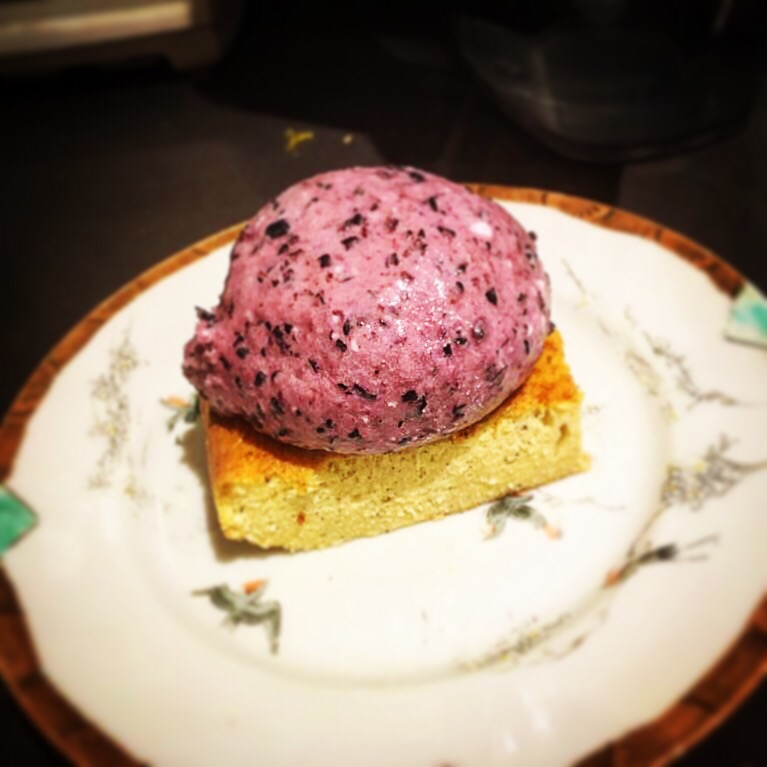
Howdy y’all, and a welcome back to cheap eat nutrition recipes! So today we got a pretty damn good one for you. Dairy free, blueberry coconut sorbet. Nuff said. 
Alrighty, this is actually pretty damn simple to make, pretty damn nutritious and well, pretty damn tasty. So hold on to your horses a get ready..
Ingredients: (serves 4)

– 300g Blueberries 

– half a can of full fat coconut cream 

– 1 tble spoon of maple syrup/date syrup

– Blender 

Method:

– Blend blueberries 

– Add syrup then coconut cream

– Blend together 

– Freeze 30 mins 

– Enjoy!