Cheap eat nutrition # 9 Paleo/Gluten Free/low carb/high (healthy) fat – quick, easy and on a budget

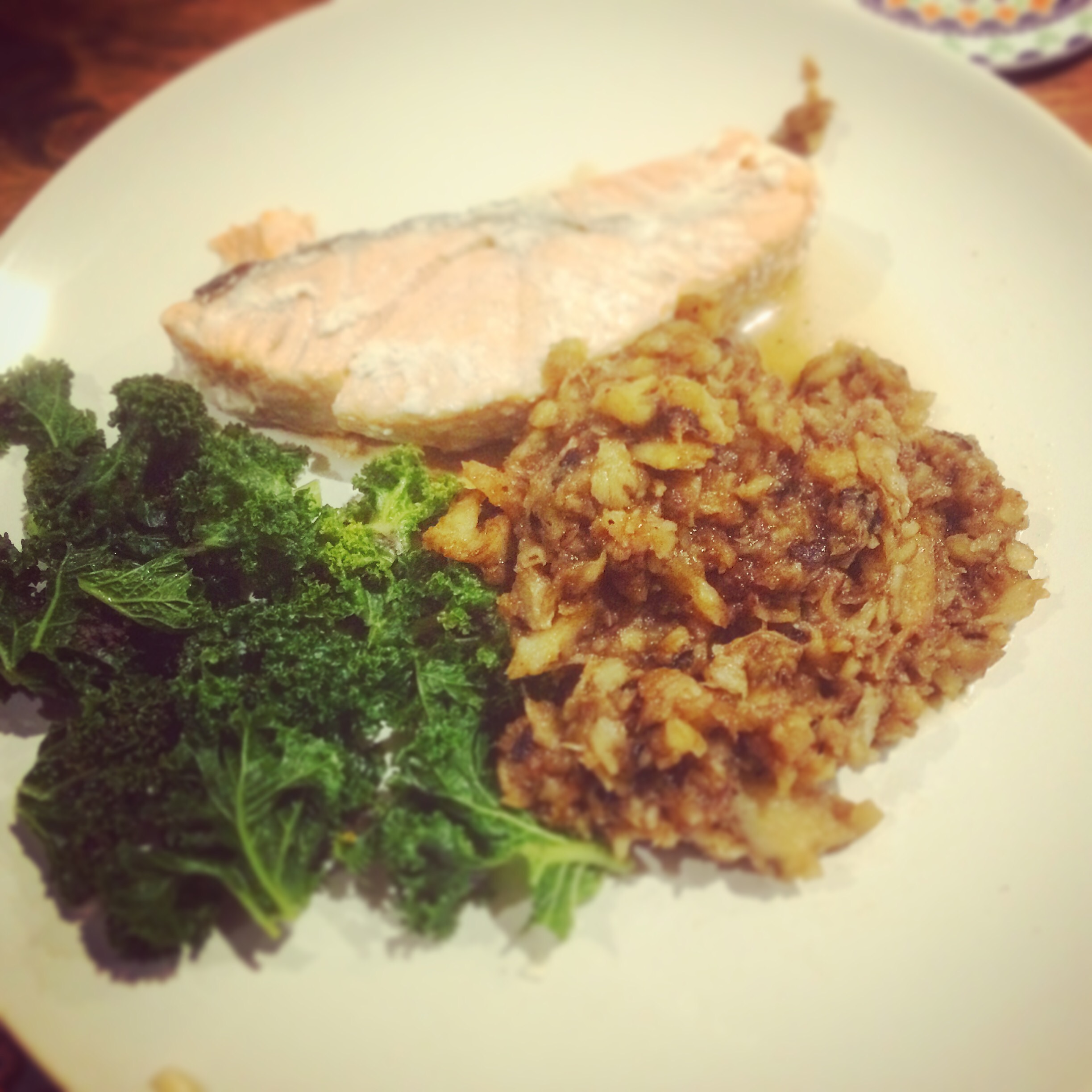
Celeriac brown & mash

Welcome back to cheap and easy low carb healthy recipes that are good for the gut, noggin and pocket! 

Today we have the celeriac brown and mash which is a great alternative to starchy potato mash with plenty of flavour. 

This lower carb alternative will not spike your blood sugars like spuds. There’s also plenty a vitamins and minerals including vitamin K and Potassium to up your goodness count. 

Ingredients:
– 1 medium to large celeriac 

– 2/3 tble spoons of butter (preferably grass fed)

– 275 ml of boiling water 

– 1 stock cube (beef/vegetables)


Method:
– Slice celeriac into thin wedges 
– Melt butter in a large frying pan on low to medium heat 
– Place the slices in the butter and allow to brown on each side
– After around 5-7 mins on each side, the celeriac should be soft
– Add stock cube to the boiling water and mix until stock has dissolved
– Add stock to celeriac, cover and allow to simmer on low heat for 5 mins or until completely tender
– Transfer to bowl, mash and serve! 

Snack Hacks # 3 Nicotine


Righty ho, and a welcome back to the supp blog! Once again I’m going to present a nutritional or supplementary addition that can be used to optimize overall performance. This is will again be presented as the somewhat creatively titled; “snack hack”.

What?

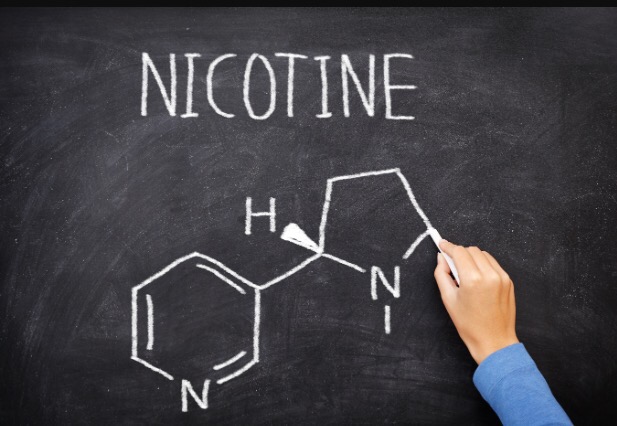
So, this one will cause a potential stir I believe. Today’s snack hack is… Nicotine! 

Like caffeine, nicotine is a defense mechanism made by plants to keep from being eaten by animals, bugs, or fungus – in fact, caffeine and nicotine are in the same chemical family. 

Nicotine is most famously in tobacco, but you’ll also find small amounts of it in members of the nightshade family; tomatoes, potatoes, and eggplants, for example. There’s even a tiny bit of nicotine in cauliflower.

It’s important to recognize the distinction between nicotine and tobacco. Nicotine gets the headlines when it comes to tobacco, even though it’s just one of the 5,000+ chemicals in cigarette smoke. 

Tobacco is a mixture of compounds, many of which are carcinogenic (cancer promoting), cardiotoxic (making the heart weaker & less efficient at pumping blood), teratogenic (developmental toxicity) or all three.

Why?

The acute cognitive enhancing effects of nicotine are robust and well documented. Nicotine has been seen to make individuals more vigilant, improve their short term memory, have more controlled and fluent handwriting (and purely anecdotally increase typing speed), improve reaction time, and suppress appetite.

Technically, nicotine is not significantly addictive, as nicotine administered alone does not produce significant reinforcing properties. However, be mindful that when nicotine reaches your brain, it binds to nicotinic receptors , activating pathways that control attention, memory, motor function, and, importantly in relation to addiction, pleasure.

Important

The scientific literature is very polarized about the impact of nicotine on health. On the one hand, neuroscientists have argued that nicotine is the only substance in existence that reliably enhances working memory and general cognitive performance.

On the other, nicotine can be seen to activate The sympathetic nervous system, (fight or flight response) negatively, thus raising blood pressure and potentially effecting blood sugar responses through cortical being raised.

From a brain health perspective, most of the negative effects of nicotine are on the developing brain. (Your brain is technically still developing until the end of adolescence, around age 25). But on the other hand, nicotine has a protective effect against Parkinson’s disease and has some anti-dementia properties as well. The cost/benefit ratio for nicotine gets favorable the older you are.

How?

Ok, so in conclusion, there are benefits and negatives to nicotine. The negative effects appear though to be related to significant and prolonged use. I myself will use it intermittently maybe one or twice a week maximum. I use Robb Wolf’s recommendation of biting a 2mg gum in half and allowing it to dissolve in my cheek. It without question helps if I need to get focused, for example, for completing a large piece of written work. I don’t find it as great though for socializing as it can make me a bit jittery.

Below is Mr Bulletproof Dave Asprey’s recommendations regarding how best to take nicotine whilst minimizing the negative effects of the delivery system, (from least favourable first) : –

  • Smoking
  • Chewing tobacco
  • E-cigs/vaping
  • Nicotine gum
  • Nicotine patches
  • Nicotine inhaler
  • Nicotine lozengers
  • Nicotine mouth spray

Right, well, longer than I’d intended but hopefully some useful info! As ever, if you like please share and leave a message, peace and love blogerites.
Snack Hack # 2 Broccoli Sprouts 


Welcome back to the what supp blog. Keeping with the bite size hacks, I’m gona present another (grain free) pie shaped bite for you.  

What?
Broccoli sprouts my friend. Or, basically, baby broccoli! 
Why?
What’s so special about broccoli sprouts I hear yee cry! Well, according to Johns Hopkins University, 3-day-old broccoli sprouts contain as much as 50 times the amount of some of the health-boosting phytonutrients of the mature broccoli.
Sulforaphane, the prominent phytochemical in broccoli, combats cancer on several fronts − including removal of carcinogens, prevention of cancer cell production, destruction of breast cancer cells, and tumor reduction. These small plants are in the cancer research limelight for their unique ability to exert 50 times the amount of cancer fighting power of broccoli.
Sulforaphane is also one of the most potent antioxidants and detoxification substances that we know of. 
There was also a study done at Johns Hopkins that showed greater urinary excretion of air pollutants when sulforaphane was consumed. 
Another recent article in the Journal PNAS even showed a reduction in autistic symptoms when sulforaphane was added to the diet. 
How?
Sprouts are easily absorbed into the system because they also contain potent digestive enzymes. Their flavor allows for easily adding them to all your favorite meals. 
The magic actually comes from the process of chewing or crushing these lil nutrient powerhouses, so no swallow without a chew! 
Where?
Ok, so you can buy these lil bad boys from any health food shop like wholefoods but try to go for fresh as opposed to an extract. 
These really are a piece of pee to grow, all you ideally need is the sprouts and a sprouting jar which can be bought off amazon for around £15 max.
Here’s how it’s done.. 
Needed:
– wide mouthed quart jar with spouting lid
– 2 tablespoons organic broccoli sprouting seeds
– purified water
Directions:
– Place the seeds into a jar and cover them with a few inches of warm purified water. 
– Let them soak overnight in a warm dark place. Then, after about 8 to 10 hours, drain the water off.
– Rinse the seeds with fresh water, 2 to 3 times a day for 4 to 5 days. 
– Place the jar in a warm, dark place during this time period. Make sure to drain off all of the water after each rinsing to prevent spoiling of the sprouts.
– After 4/5 days place sprouts in a bowl with kitchen towel to absorb water and allow sunlight so they go green.
– Boom! Add to smoothies, salads or just plain snack.
Tip; to increase the bioavailability heat sports at 70 degrees Celsius (140 Fahrenheit) for 10 minutes in hot water. Try a cooking thermometer to get this spot on. 
This tip was from Dr Rhondda Patrick who has praised broccoli sprouts on the joe rogan experience podcast.

Snack Hacks # 1 Binaural Beats 


Welcome to the snap hack folks. These are aimed at being short bite sized articles. They will present info on various hacks from nutrition, supplements and other related items that are easily assimilated into day to day life. 

What?

 At the root of all our thoughts, emotions and behaviors is the communication between neurons within our brains. These brainwaves are produced by synchronized electrical pulses from masses of neurons communicating with each other.

 Different brainwaves induce different states of mind. Most can relate to being in “the zone” when trying to create an important essay or piece of work, or even in a deep state of relaxation when, for example, receiving a massage or having a hot bath.

 Now, although these states are often naturally occurring, is there a way to bypass this often slow process to get the mind ready for what we want to do, (he asks rhetorically)? You guessed it, there certainly is.

 How?

 Binaural beats my friend.

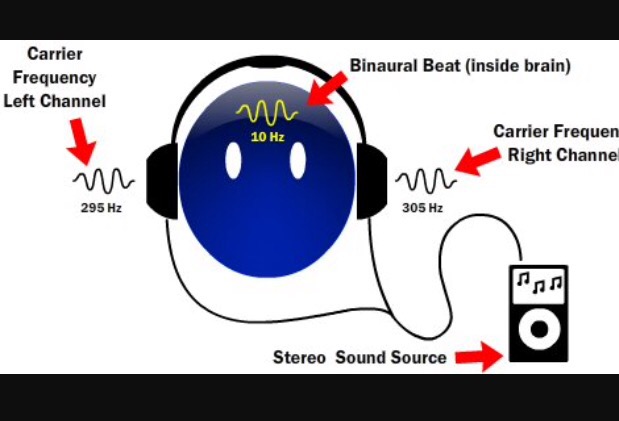
 A binaural beat is an auditory illusion perceived when two different pure-tone frequencies are played simultaneously. Both tones are played with frequencies lower than 1500 Hz, with less than a 40 Hz difference between them. Each tone is presented simultaneously through a different ear hense the experience only being possible through headphones.

 In an attempt tfor the brain to interprit the frequenciess, the listener will perceive the auditory illusion of a third tone, in addition to the two pure-tones presented to each ear. In doing so, as the two frequencies mesh in and out of phase, your brain creates its own third signal, the binaural beat, which is equal to the difference between the two frequencies.

 When your brain begins to resonate with the binaural beat, or “follow” the beat, this effect is called the Frequency Following Response. In a nutshell meaning that by changing the frequency up and down of the two tones, the listener can manipulate brain waves to enter states of sleep and deep relaxation through to focused concentration.

 Brainwaves are generally broken down into five main frequencies: Beta waves, Alpha waves, Theta waves, Delta waves and Gamma waves. Lets have a quick look at which is is good for what.

DELTA WAVES (.5 TO ‪3 HZ‬)

Delta brainwaves are slow, loud brainwaves (low frequency and deeply penetrating, like a drum beat). They are generated in deepest meditation and dreamless sleep.
THETA WAVES (3 TO ‪8 HZ‬)
Theta brainwaves occur most often in sleep but are also dominant in deep meditation. It acts as our gateway to learning and memory. In theta, our senses are withdrawn from the external world and focused on signals originating from within. It is that twilight state which we normally only experience fleetingly as we wake or drift off to sleep.
ALPHA WAVES (8 TO ‪12 HZ‬)
Alpha brainwaves are dominant during quietly flowing thoughts, and in some meditative states. Alpha is ‘the power of now’, being here, in the present. Alpha is the resting state for the brain. Alpha waves aid overall mental coordination, calmness, alertness, mind/body integration and learning.
BETA WAVES (12 TO 38 HZ)

Beta brainwaves dominate our normal waking state of consciousness when attention is directed towards cognitive tasks and the outside world. Beta is a ‘fast’ activity, present when we are alert, attentive, engaged in problem solving, judgment, decision making, and engaged in focused mental activity.
GAMMA WAVES (38 TO 42 HZ)
Gamma brainwaves are the fastest of brain waves (high frequency, like a flute), and relate to simultaneous processing of information from different brain areas. It passes information rapidly, and as the most subtle of the brainwave frequencies, the mind has to be quiet to access it. Gamma was dismissed as ‘spare brain noise’ until researchers discovered it was highly active when in states of universal love, altruism, and the ‘higher virtues’. 
Where?
So there is plenty of places to access free binaural beats and hack these brain states. Aside from Youtube and SoundCloud, there are a number of free apps. Here is the classic pure binaural beats app, download and give a try…

https://itunes.apple.com/gb/app/binaural-pure-binaural-beats/id838752522?mt=8