Snack Hack # 19 – The Recovery Bowl

Welcome to a long overdue return to the Snack Hack series. These posts aim to bring simple and doable options that can be used to optimise your life.

Today’s little bite sized morsel is the post training recovery bowl. This is has got all you need to replenish following either a hard session in the weights room, on the road or on the mats.

Let’s see what we got on the recipe list and break down the what and why:

– Half a cup of berries blue/goji/raisins. Ok, so I’m not a huge huge fan of raisins due to the vegetable oils often used to process them. However, dried fruit can be a great to replenish your glycogen stores quickly if you’re, for example, working out again later that day. Berries in general though, and especially blue berries, are well vaunted for their high antioxidant count, helping to clear some of the free radical damage caused from exercise.

– 2 tbsp shredded coconut. Coconut is a source of medium chain triglycerides (MCTs) . MCTs are a fat that the body digests quickly and sends to the liver to use as an energy source.

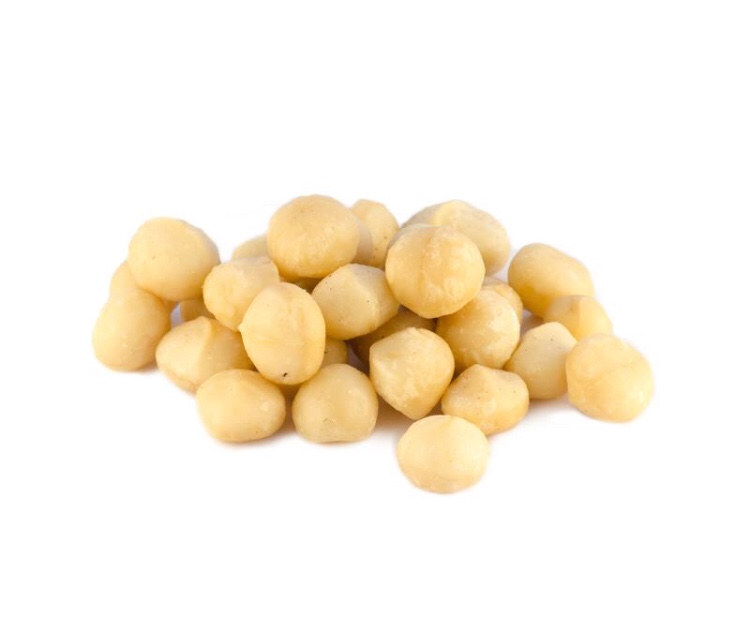
– A quarter cup of Macadamia nuts. The macadamia can be simply put as the king of nuts. They have the most favourable omega 3:6 ratio. Omega 3 is an essential for brain health and helping to reduce systemic inflammation.

– 2 tbsp chia seeds. Chia seeds are also a source of Omega 3 as well as gelatinous fibre. Gelatinous fibre helps process out toxins from the body through coating them and guiding them out the body. Gelatinous fibres are also reported to help normalise blood glucose and insulin levels.

– 3/4 cup kefir. Kefir is a fermented dairy product (read more here: http://whatsuppblogblog.com/2017/08/28/snack-hack-10-kefir/). Fermented foods are commonly known for their gut healing properties. They provide a source of probiotics, strains of ‘friendly’ bacteria to support everything from immune function to mental health. Kefir is also a protein source so will aid with muscle recovery.

– Dash of Ceylon cinnamon. So this is primarily added for taste so if you don’t have Ceylon then standard Cassia cinnamon is fine. However, Ceylon is a pretty powerful healer and definitely more than a worthy replacement for sweeteners. Read this previous post if you’d like to find out a little more and why your standard shop bought cinnamon may be a worrying alternative; http://whatsuppblogblog.com/2017/11/16/snack-hack-13-ceylon-cinnamon/

Alrighty, well there’s no great method here, just chuck it all in a bowel and give it a good stir. Hope you enjoyed the post, please give it a like, a comment and share! Till next time.

How to Review your Goals – 2 minute read

Right, so this is maybe a few days late but I wanted to present a format from which you can review the year. These questions are taken from the great Ryan Munsey’s book; F**k Your Feelings, which is an absolute game changer in my opinion.

Although new year is always a pretty fitting time to review and set goals, these questions can be used at anytime to make positive changes.

Take some time to thoroughly and meaningfully go through the below list. Reflect and try and be as honest as you can..

– what results are you happy with?

– what results are you not happy with?

– what results would you like to be getting?

– what changes can you make in your time to get more of the results you desire?

– how are you holding yourself back?

– what would you do if you new you could not fail?

– what is the fear?

– what ruts are you in because of preference for comfort?

– how is comfort crushing my drive / motivation?

– where can you seek discomfort?

Ok, hopefully this has helped and can be a point of reference for future planning. On closing I’ll just leave this pretty potent statement that Ryan refers back to in his book on a number of occasions:

“Your life is perfectly designed for the results you’re currently getting”

Till next time.

Macadamias – The King Nut

Welcome back people to the What Supp Blog. Your one stop shop for everything optimisation. So today’s topic is a personal fave on the snack front, the old macadamia nut. Aside from being pretty damn tasty, it’s also a keto supremeo and healthy on many a level.

Macadamia is a genus of four species of trees indigenous to Australia, and constituting part of the plant family Proteaceae. Although native to Oz, you’ll also find them in tropical climates with volcanic soil such as , Brazil, Indonesia, Kenya, New Zealand and South Africa.

Nutritional Profile

The humble macadamia nut actually turns out to be quite the nutrient filled powerhouse. Check the below stats:

Amount Per 100 grams

Calories 718

% Daily Value*

Total Fat 76 g 116%

Saturated fat 12 g 60%

Polyunsaturated fat 1.5 g

Monounsaturated fat 59 g

Cholesterol 0 mg 0%

Sodium 5 mg 0%

Potassium 368 mg 10%

Total Carbohydrate 14 g 4%

Dietary fiber 9 g 36%

Sugar 4.6 g

Protein 8 g 16%

Vitamin A 0% Vitamin C 2%

Calcium 8% Iron 20%

Vitamin D 0% Vitamin B-6 15%

Cobalamin 0% Magnesium 32%

*Per cent Daily Values are based on a 2,000 calorie diet. Your daily values may be higher or lower depending on your calorie needs.

Macadamia nuts have a super healthy content. They contain fibre, antioxidants, vitamins and minerals with significant health-boosting potential.

As well as those noted in the above table, macadamia nuts are also a source of vitamin A, iron, vitamin B1 (thiamine), B2 (riboflavin) and B3 (niacin). They contain small amounts of selenium, calcium, phosphorus, potassium and magnesium. So just a 1-ounce serving nets 58% of what you need in manganese and 22% of the recommended daily value of thiamine.

As can be seen, the micro nutrient content of macadamias is pretty good. Macadamia nuts are good sources of calcium, magnesium, and potassium. As well as being important electrolytes, these three minerals help prevent bone demineralisation whilst the phosphorus in the nuts promotes mineralisation of teeth.

Macadamia nuts also play an important role in your gut health. They contain both soluble and insoluble fibre, which flush toxins out of the body and also aid digestion. The nuts are particularly rich in copper that supports the enzymatic reactions that improve digestive health.

Macros

Macadamias are relatively low in carbs and protein, containing 7.9 g protein, 8.6 g fiber, 13.8 g carbohydrate, and 75.8 g lipids per 100 grams. Regarding their protein content, macadamias have all of the essential amino acids. Glutamic acid, aspartic acid, arginine, phenylalanine, and leucine are the ones present in the highest concentrations however.

Macadamias are also a good source of carbohydrates like sucrose, fructose, glucose, maltose, and some starch-based carbohydrates.

Macadamia nuts are without doubt little fat bombs with their own unique nutritional profile. The high fat content of macadamias might be a tad off putting for some. However, between 78-86% of the fat is ‘healthy fat’. Macadamias are high in oleic acid and omega-9 monounsaturated fatty acid, the same fatty acid found in olive oil. In fact, of the 21 grams of fat found in macadamia nuts, only 3 grams are saturated fat.

The macadamia nut is in fact one of the only food sources that contain palmitoleic acid, a type of omega-7 monounsaturated fatty acid that may speed up fat metabolism, thus reducing the body’s ability to store fat.

Monounsaturated fat can help lower cholesterol and decreases your risk of heart disease and stroke by making platelets less sticky and less likely to form clots in blood vessels. In addition to helping your body reduce cholesterol though, macadamias themselves are 100 % cholesterol free.

Brain Health

Macadamia nuts could have a significant role in the health of inside your swede. The oleic fatty acid helps keep the blood pressure low and prevents stroke, thereby preserving brain health. Another acid in the nuts is palmitoleic acid, which also is an important component of myelin (myelin is a fatty layer that protects nerve cells in the brain).

A few other nutrients in macadamia nuts; copper, vitamin B1, manganese, and magnesium, all aid the production of healthy neurotransmitters. Whilst omega-9, showing it’s not to be outdone, helps improve mood. The fatty acid can even enhance memory and prevent several neurological diseases. One study talks about the importance of omega-9 in preventing Alzheimer’s disease.

Flavonoids

Another health benefit of macadamia nuts comes from their flavanoids (the same compounds that give red wine its healthful claim to fame). These flavanoids help lower blood pressure and protect against some forms of cancer.

Flavanoids are compounds naturally found in plants. They help repair damaged plant cells and protect the plant from environmental toxins. When we eat these plants, our bodies turn the flavanoids into antioxidants. Antioxidants mop up free radicals; destructive particles in the body that are formed from normal and essential metabolic processes, or from external sources such as exposure to environmental toxins.

Oil

Due to its high content of monounsaturated fat, macadamia nut oil is fast becoming a favourite addition for cooking oil choices. In addition, macadamia nut oil has a higher smoke point than olive oil, which means that it can be cooked at higher temperatures without breaking down and losing its flavour.

Aside from its stability to cook with, there are other health promoting reasons to choose macadamia nut oil. The monounsaturated fat content of macadamia nuts can help relieve inflammation, the root cause for many health issues including coronary heart disease. One study however has discussed the efficacy of macadamia nut oil specifically in treating inflammation.

This isn’t all that macadamia nut oil is good for. The essential fatty acids in macadamia nut oil play a role in skin health. The palmitoleic acid in the nuts is another essential fatty acid that hydrates the skin, promotes skin healing, and supports the health of cell membranes, delaying the ageing process.

Lastly, it’s not to bad for your noggin either. Massaging your hair regularly with macadamia nut oil makes it shine, stimulates hair growth, and rebuilds hair elasticity.

Right, well hopefully you are sold on the macadamia nut! They are a perfect addition to not just low carb or keto diets but also any eating plan at all. Please like and comment, till next time.

What the experts say – the 2 minute read – Food Choices to Make You Healthier

Welcome back to the ‘what the experts say’ series. These short two minute reads bring you two, three or four easy to implement tips via some of the leading lights in the health and wellness space.

Ok ok, I get it, another ‘healthy foods’ post. Maybe I should just post up a picture of broccoli and a kale chip and be done with it. Well, this one be a tad different, I swear.

Today’s tips are a couple of little known choices to improve health, longevity and even, managing a hangover! So hold onto your hats for a mighty informative two minute read of what the experts say

Right, so first hot tip is bought via the primal movement founder, Mr Mark Sisson. This tip is particularly good for those following a low carbohydrate or paleo/primal style eating plan.

Resistant starches are a good form of prebiotic, feeding the healthy microbes in our gut that aid digestion, immune function and even mental health. Raw potato starch & green bananas are both good sources for resistant starch.

Another good form of resistant starch is cooled white rice and cooled white potatoes. They are good also as the molecular structure of the carbohydrates they contain becomes indigestible as they cool and forms as the resistant starch.

To double the potency of these forms, try reheating & re-cooling for the potatoes. Be warned though, don’t heat starch or green bananas, as this will make the starches become digestible carbohydrates, and as such, spike your insulin.

Next tip is via Greg Potter, a researcher and guest of the biohacker podcast. To aid with weight loss, try to increase your brown fact activation. Aside from cold showers, look to get spicy. The Capsaicin in red pepper is the perfect enabler to activate that there brown fat.

Number three tip. This ones bought via the clever minds at Caveman Coffee. We’ve all heard of the health properties that are now being linked to coffee, but, there seems to be a trade off. When choosing, look for a lighter roast coffee for being higher in caffeine but a darker roast for having a higher antioxidant count.

Lastly, but by no means least.. (and of course as promised!) Onnit head honcho Aubrey Marcus recommends a green tea for a hangover. The l theanine content of green tea mimics the neurotransmitter GABA, which boosts mood and can have a calming, relaxing effect.

Alcohol consumption produces more GABA, which results in the brain over producing the neurotransmitter glutamate to compensate come the morning once your GABA stores are depleted. This over production of glutamate can lead to headaches, feeling grouchy and not at your finest.

Alright, so hope you enjoyed this post and learned a little something. Till next time!