
Blog

Snack Hack # 18 – The Morning Mineral Energiser

Welcome back to the snack hack series! These are quite simply some easy actionable options to get the best out of your physiology.

So, today’s tip is for getting your mornings off to the best possible start. This is going to be a simple recipe to help ensure you make your very first morning beverage the absolute best it can be to get you off to the right start.

The human body can loose a fair amount of fluid during sleep. Total water loss for an average healthy young male averages about 25 milliliters per hour, or 200 milliliters per eight hours of sleep, and much of that is simply exhaled, (not absorbed by the mattress). This can be effected in greater degrees by heavy exercise prior to sleep and sleeping in high temperatures.

This water loss can have a huge impact on your body and especially internal organs. You could well of gone without fluid for 8 hours, so a little prep is advisable before thinking of asking your digestive system to get into action first thing with managing breakfast or even by throwing in a substance that can further dehydrate; caffeine.

Now don’t get me wrong, I’m not suggesting anyone forsakes their morning cuppa or coffee variant. What I am suggesting is however that maybe addressing your hydration first, as this could help you optimise that warm Monday morning glow..

What & Why

Salt

Decent quality salt contains a number of trace minerals above the sodium, chloride and iodine found in table salt. This can include phosphorus, magnesium, calcium, potassium, bromine, boron, zinc, iron, manganese and copper. Many of these trace minerals have been lost due to over farming in the soil that produces our veg, highlighting another reason to not demonise salt. Get a descent sea salt or Himalayan rock salt.

Apple Cider Vinegar

Apple cider vinegar is made in a two-step process, related to how alcohol is made. The first step exposes crushed apples (or apple cider) to yeast, which ferment the sugars and turn them into alcohol. In the second step, bacteria are added to the alcohol solution, which further ferment the alcohol and turn it into acetic acid, which is the main active compound in vinegar.

Some studies have found that acetic acid, which gives vinegar its distinctive taste and smell, may help with a variety of conditions. Japanese scientists found that drinking vinegar might help reduce obesity and one small study found that vinegar improved blood sugar and insulin levels in a group of people with type 2 diabetes.

Another good reason to consume apple cider vinegar is it also has plant chemicals known as polyphenols. These are antioxidants that can curb cell damage that can lead to other diseases, such as cancer.

The best option is organic , unfiltered apple cider vinegar. These usually come with the “mother”. The mother is basically strands of proteins, enzymes and friendly bacteria that give the product a murky appearance. Fermented foods and drinks such as these are great additions to support the growth of healthy gut bacteria.

Lemon Juice

Lemons are low in calories but contain a good amount vitamin C plus a few other micronutrients as well. Lemons also contain a small amount of thiamin, folate, pantothenic acid, calcium, magnesium and copper.

Im not really going to go into the research re lemon’s potential, but what I will say is they have been to shown to;

1. Enhances Immunity

2. Promotes Heart Health

3. Helps Fight Cancer

4. Prevents Kidney Stones

5. Increases Iron Absorption

6. Improves Skin Health

7. Boosts Weight Loss

Alrighty, so now you know why you’re putting the what into your body every morning, let’s crack on with the specifics.

Ingredients

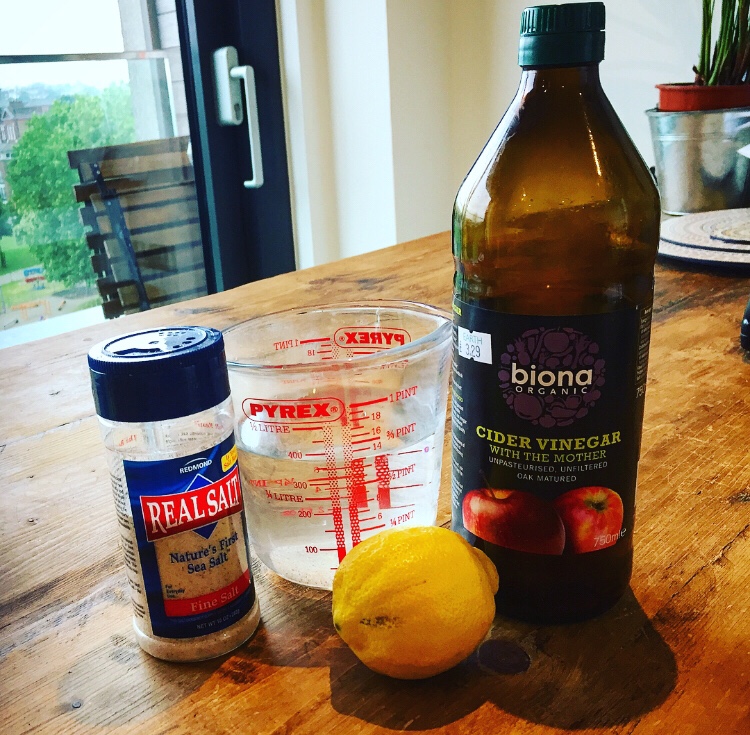
– 350/400 mil of filtered water

– 2/3 grams (sea/Himalayan) salt

– 1 tbsp of (with mother) apple cider vinegar

– 1 squeeze of lemon juice

Method

– Start with 1.5/2 grams of salt and slowly increase as you get more used to consuming the salt water

– Tip the salt into the water and stir vigorously

– Add the vinegar and lemon juice, again stirring vigorously

– Continue to re-stir as you consume to ensure you get all of the sediment from the bottom of the glass

Ok, well thanks again for reading! Please leave a like and a comment if you enjoyed the post!
The Vitamin Breakdown! – Vitamin B6

Aaaand welcome all and one back to the Vitamin breakdown! For those who have cared to have a wee look at the previous posts, you’ll see that these run downs aim to give you a breakdown of the multiple functions the vitamin alphabet plays in our body.

Alrighty, with that all said, let’s crack on. We’ve been studying the B-vitamins. A water-soluble bunch, meaning they can’t be stored in the body and as such, need to be digested on the regular. At the end of each of the vitamin breakdown posts there is a list of the source foods that provide the vitamin discussed.

Vitamin B6 is naturally present in many foods, added to others, and available as a dietary supplement. Vitamin B6 refers to a group of chemically similar compounds which can be interconverted in biological systems. It is the generic name for six compounds (vitamers) with vitamin B6 activity:

1. Pyridoxine, an alcohol

2. Pyridoxal, an aldehyde

3. Pyridoxamine, which contains an amino group; and their respective 5’-phosphate esters.

5. Pyridoxal 5’ phosphate (PLP)

6. Pyridoxamine 5’ phosphate (PMP). PLP & PMP are the active coenzyme forms of vitamin B6 which will be explained a tab bit further.

Vitamin B6 plays a host of roles within the body and is an incredibly important to have in the daily diet. For one example, B6 has a significant impact on the body supporting and managing blood pressure and cholesterol levels, which are two important factors for preventing heart disease. We’ll now go into a bit deeper on some of vitamin B6’s roles within the body..

Coenzyme

Vitamins are substances needed in small amounts for normal body functions that the body cannot synthesize in adequate amounts. In many cases vitamins act as cofactors that are needed in order to allow enzymes to perform their important work of facilitating metabolism in the body. In this case the vitamins are called coenzyme vitamins.

An example of coenzyme vitamins include Vitamin B6 in the form of pyridoxal 5’-phosphate. It performs a wide variety of functions in the body and is extremely versatile, with involvement in more than 100 enzyme reactions reactions in the metabolism of mostly protein (but more specifically amino acids), glucose and lipids.

Metabolism

Vitamin B6 (pyridoxine) allows the body to use and store energy from protein and carbohydrates. Vitamin B6 does this by being involved in gluconeogenesis and glycogenolysis.

Gluconeogenesis is the production of glucose in the body from substances other than carbohydrate. Glycogenolysis on the the other hand is the breakdown of glycogen , the primary carbohydrate stored in the liver and muscle cells, into glucose. This is to provide immediate energy for functions such as muscle contraction and to maintain blood glucose levels during fasting.

Vampire Bait

Vitamin B6 has a pretty significant impact on blood quality and flow around the body. It contributes to normal red blood cell formation as well as the reduction of tiredness and fatigue.

Vitamin B6 is needed to create haemoglobin in the blood, which is transported by red blood cells throughout the body to help bring oxygen to cells and to mobilise iron. The main function of hemoglobin is to carry oxygen from the lungs to the body tissues, and to exchange the oxygen for carbon dioxide, and then carry the carbon dioxide back to the lungs and where it is exchanged for oxygen.

B6 also works to maintain healthy blood vessels. It is needed to regulate levels of a compound called homocysteine within the blood. Homocysteine is a type of amino acid acquired from eating protein sources, especially meat. High levels of homocysteine in the blood is linked to inflammation and the development of heart disease and blood vessel disease, which may contribute to a heart attack.

Without enough vitamin B6, homocysteine builds up in the body and damages blood vessel linings. This can set the stage for dangerous plaque buildup, which can lead to a heart attack or stroke.

Brain Function

The B6 vitamin benefits include helping proper brain development and brain function. Vitamin B6 also plays a role in cognitive development through the biosynthesis of neurotransmitters and in maintaining normal levels of homocysteine, an amino acid in the blood. A build up of homocysteine can cause damage to neurons of the central nervous system.

Studies looking at the possible protective role of vitamin B6 in preventing or improving mood and cognitive function in the elderly, including Alzheimer’s disease, have not found a short-term benefit. Studies have however shown that a vitamin B6 deficiency could influence memory function and contribute to cognitive impairment, Alzheimers and dementia as someone ages.

Mental Health

B6 has been associated with increasing mood and being needed to prevent depression, pain, fatigue and anxiety.

Vitamin B6 has a significant impact on the central production of both serotonin and GABA neurotransmitters in the brain, similar to the role of some prescription antidepressant medications. It is believed to be effective in treating mood disorders and certain brain diseases that can develop as a result of deficiencies in neurotransmitter function.

Hormonal

Vitamin B6 as several significant effects on hormonal balances within the body. As discussed, B6 plays an important role in making serotonin, but it also helps produce norepinephrine. Both act as neurotransmitters and hormones in the body. As two hormones they are known as “happy hormones” that help to control mood, energy and concentration.

Other studies suggest that vitamin B6 supplementation might improve the symptoms of premenstrual syndrome (PMS) in some women although the research does remain inconclusive.

Vitamin B6 also helps the body to make melatonin, which is an important hormone that helps us to fall asleep. Melatonin is responsible for allowing us to regulate our own internal clock, so we know when it’s time to wake up and have energy, and also when it’s time to wind down and fall asleep for the night.

Dose & Pregnancy

The NHS says that the recommended adult daily intake of vitamin B6 is 1.4mg a day for men and 1.2mg a day for women.

NHS guidelines state B6 supplementation in pregnancy is not necessary and high doses might lead to harm. Saying this however there are some suggestions that B6 can help with combating the feelings of nausea. You should be able to get all the vitamin B6 you need from your diet however and additional supplementation shouldn’t be considered without discussion with your doctor.

Food Sources

Sources of vitamin B6 (pyridoxine) are:

Meat (pork, poultry) and offal

Fish

Milk

Rice

Eggs

Whole grains (oatmeal, rice)

Fortified cereals and breads

Starchy vegetables like potatoes

Legumes like peanuts, soya beans,

Fresh fruit except citrus

Ok, well thanks once again for reading. Please give a like and a comment! Until next time.

The Super Star Supplement – PQQ

Welcome back to the What Supp Blog! As ever I’ll seek to explore some nifty little (but potentially actually pretty big) supplementations you can introduce to maximise your health and well-being.

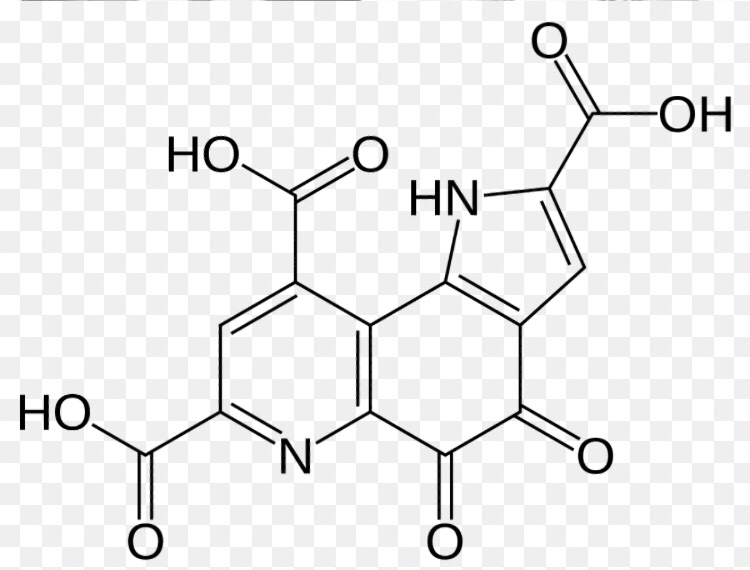
Today’s post is going to be looking at the supplement that is widely known as PPQ. PPQ, or to call it by it’s official title; Pyrroloquinoline quinone, is a vitamin-like compound found in plant foods that is showing a wide range of benefits to brain and body functions.

Although PQQ is not currently viewed as a vitamin, it is likely to be considered an essential nutrient in the future. An essential nutrient is termed essential as, essentially, the body can’t produce it itself so needs to ingest it through the diet.

PQQ was first discovered as a cofactor for enzyme reactions in bacteria where it serves a similar function to that of B vitamins for humans, turning food into energy.

A ‘cofactor’ just means that it helps enzymes accomplish their jobs. Enzymes are biological catalysts – substances that increase the rate of chemical reactions without being used up. However, today’s scientific consensus is that, unlike plants and bacteria, PQQ is probably not an enzymatic cofactor in humans.

Found in high levels in breast milk, PQQ is presumed to be a non-vitamin growth factor. We’ll now explore how this growth inducing quality manifests itself through the various functions of PQQ within the body.

Inflammation

PQQ works as an extremely powerful antioxidant decreasing inflammation and free radicals. PQQ actually blows other antioxidants such as Vitamin C, literally out the water, (there’s a joke about water soluble vitamins in there somewhere).

One study showed that healthy humans who took 20 mg of PQQ (for a 150-pound male) had a significant decreases in the levels of C-reactive protein (by 45% after 3 weeks) and IL-6, 2 key markers of inflammation. A lower dosage however didn’t decrease inflammation.

Energy production

As we’ve seen, various urinary markers of oxidative stress are seen to improve with PQQ supplementation, which relates to Its impact upon building the density of your mitochondria.

Mitochondria are the organelles; tiny structures within a living cell, working to produce cellular ATP, or adenosine triphosphate. ATP is the resulting energy currency produced by your cells that keeps the body firing. So in a nutshell, all your cellular energy, or just your energy per say, comes from mitochondria, which are the batteries of each and every cell.

A study showed that deprivation of PQQ in rats and mice led to a decrease in mitochondrial density, which means that a deficiency in PQQ may be responsible for low energy levels.

PQQ not only protects mitochondria from oxidative stress, it also promotes the spontaneous generation of new mitochondria within ageing cells, a process known as mitochondrial biogenesis or mitochondriogenesis. This effect is a “fountain of youth” for mitochondrial function because as you age, the number and performance of mitochondria you have in your cells decreases, reducing your health and longevity

Brain Power

PQQ supplementation stimulates the production and release of nerve growth factors in cells that support neurons in the brain, a possible mechanism for the improvement of memory function it appears to produce in aging humans and rats.

You In fact PQQ has been seen to reverses cognitive impairment caused by chronic oxidative stress in animal models and improve their performance on memory tests.

Research suggests PQQ also improves Memory and Reasoning. PQQ triggers the DNA reading protein CREB , which plays a key role in growth and gene expression.

CREB also stimulates the growth of new mitochondria and increases Brain-derived neurotrophic factor; BDNF. BDNF supports the survival of existing neurons, and encourage the growth and differentiation of new neurones and synapses. In the brain, it is active in the hippocampus, cortex and basal forebrain- areas vital to learning, memory and higher thinking.

Fertility

Giving animals a diet deficient in PQQ limits growths and reproduction. One study showed that PQQ improves the reproductive performance of mice, as well as growth of newborn mice. Mice in the PQQ-supplemented group averaged 8 pups/litter, compared to 4-5 pups/litter in the PQQ-deficient group. This suggests that the mitochondrial health of parents has a significant impact on their offspring’s potential to thrive.

Get it in you

PQQ is found in mammalian tissues. In humans, tissue concentration of PQQ is thought to be around 0.8-5.8ng/g. Humans make 100 to 400 nanograms of PQQ each day, not a large amount. The science is not clear how humans synthesise PQQ. In bacteria, PQQ is synthesised from the amino acids l-tyrosine and glutamate.

PQQ naturally occurs in almost all foods, ranging from 0.19 to 61ng/g, but is especially concentrated in the following foods :

• Fermented soybean products (e.g. Nattō)

• Green soybeans

• Spinach

• Field mustard (5.54 +/-1.50ng/g fresh weight)

• Tofu

• Green tea

• Green peppers

• Parsley

• Kiwi fruits

Supplementing

The PQQ content of even the most PQQ-rich foods is much lower than the amount you can get from a supplement (5 to 20 mg). PQQ is almost entirely metabolized before being eliminated.

Both the acid form and salt forms of PQQ, at the intestinal concentrations usually obtained following supplement use, are soluble and probably equally available (absorbable) by the intestine. Animal studies suggest that PQQ is reasonably well absorbed (50%), particularly at low doses.

In rats, 62% of PQQ was absorbed in the gut when taken with a meal. In rodents studies, PQQ is mostly (86%) eliminated 24 hours after ingestion. However, some PQQ residues remain in the skin and kidneys. I have heard some warnings about continued use of high dose supplements however, so go easy and look to cycle on and off every few days if you’re starting out.

Alrighty, well hopefully I’ve given you some insight into this impressive nutrient. I would always look to whole foods as my first base for the properties with isolated supplements, however, as PQQ is so impressive, it really could be worth giving a good quality supplement a shot if you need to increase your energy levels.

Thanks for reading and as ever, please like and leave a comment! Till next time.

Cheap Eat Nutrition # 32 – Nutritious whole foods on a budget – Spicy Beetroot Chips

Welcome back to the Cheap Eat Nutrition recipe series! These recipes aim to prove that nutritious whole food recipes are adorable and easy for one an all.

Today’s recipe is a spicy little number, none other than spicy beetroot chips! Beetroot is an acquired taste, one that I have never been too big fan of. Beetroots however are incredible nutritionally dense source of healthy carbohydrates. Its ability to positively effect blood pressure and flow having the impact to help everyone from the elderly to high performance athletes.

If you want to learn a little more about beetroot as a superfood, check my previous short post – http://whatsuppblogblog.com/2018/01/20/snack-hack-15-beetroot-for-improved-wellbeing-enhanced-athletic-performance/

Ok, so as mentioned I get beetroots aren’t everyone’s cup of tea, but this recipe could just be the mind changer! Let me know how you get on..

You’ll need

– 1 large beetroot / 2 medium beetroots

– 1 tbsp of coconut oil

– 1 to 2 tsps of chilli flakes

– 1 tsp of oregano

– Salt & pepper

Method

1. Preheat oven to 180c

2. Half the beetroot and slice. Try to make the slices as thin as possible, this will add to them having a more chip consistency.

3. Spread chips evenly on baking tray. Take tbsp of coconut oil and coat the chips. Be sure to rub the oil in to each chip using your fingers for an even spread, (this will make difference!).

4. Sprinkle over oregano, then chilli flakes. I like to be pretty liberal with the chilli, but modify to your own taste of how hot you like.

5. Finish off by sprinkling salt & pepper. Place in the oven and check at 8 minutes. Give a stir round if some aren’t cooking as well. Heat for another 8 – 12 minutes depending on how well done you like.

6. Serve & enjoy!