Take Your Training to the Next Level – Beta Alanine

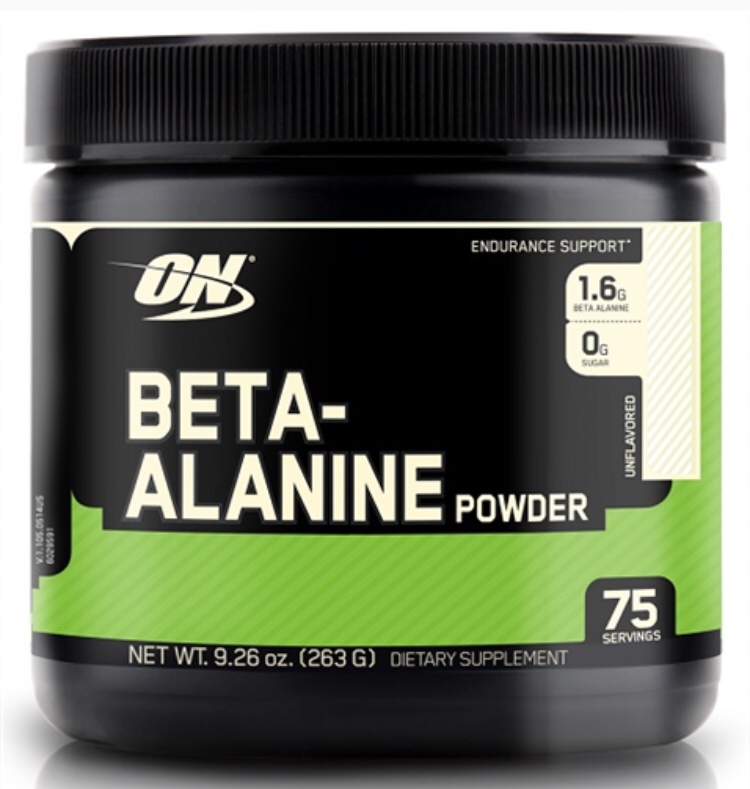
Today’s post will be looking at a super supplement that has the potential to super charge your athletic performance. That supplement be beta-alanine. Beta-alanine is a particularly awesome choice for athletes as it works to reduce fatigue during intense exercise and enhance muscular endurance.

Beta-alanine is a modified version of the amino acid alanine, and is a non essential amino acid. Unlike most amino acids, it is not used by your body to synthesise proteins for the likes of building and repairing muscle. Instead, together with histidine, it produces the molecule carnosine.

How

Carnosine is stored in cells and released in response to drops in pH within the muscle, helping to combat fatigue. Carnosine maintains the pH and has a buffering effect against the effects of lactic acid created from, for example, high intensity exercise. Carnosine can even protect against diet-induced drops in pH which could occur, for instance, from ketone production in ketosis.

In your muscles, histidine levels are normally high and beta-alanine levels low, which limits the production of carnosine. When beta-alanine is ingested, it turns into carnosine and works by subsequently increasing your muscle’s carnosine store. Supplementing with beta-alanine has been shown to elevate carnosine levels in muscles by 80%!

Exercise

Beta-alanine supplementation is best suited to moderate to high-intensity cardiovascular exercise performance, such as rowing or sprinting. However, research also shows beta-alanine has the power to improve weightlifting, increase muscle growth and enhance endurance performance with studies showing that it helps increase your time to exhaustion. Although it is most associated for exercise lasting one to four minutes, it’s still worth digging into for endurance minded athletes.

Nutrition

Beta alanine can be found in Both animal and fish produce such as turkey, chicken and prawns.

However, the amounts of beta-alanine found in the diet are not comparable with that found in supplement form. You will not see the same performance enhancement effects from food sources as those found with supplementing it. However consuming beta-alanine with a meal can further increase your carnosine levels.

Dosage

In regards to dosing I’ve read different information stating standard dosage of beta-alanine is 2–5 grams daily, to another saying 4.8 grams per day is optimal. The great ‘must listen’ Guru Performance podcast did a feature on it and advised a split dose of 2 grams, 4 times a day for a minimum of 4 weeks. I have particularly had success with this protocol.

When supplementing be aware that a minimum 2 weeks , but more like 4 weeks, is required in order to see an impact. This is also with consistent use, so don’t be fooled that you’ll see a impact on performance just from consuming it as a one off as part of a shop bought pre workout formula.

Stacking

Beta-alanine can be staked. There is some research that it can be favourably paired with creatine and sodium bicarbonate.

Creatine helps high-intensity exercise performance by increasing ATP availability. When used together, creatine and beta-alanine have been shown to benefit exercise performance, strength and lean muscle mass.

Sodium bicarbonate,or baking soda, enhances exercise performance by reducing acid in your blood and muscles.Many studies have examined beta-alanine and sodium bicarbonate in combination.The results suggest some benefits from combining the two supplements, especially during exercises in which muscle acidosis inhibits performance.

Beta alanine however does not go to well with the amino acid taurine and may deplete the body’s taurine stores as they may compete for uptake. This could be of importance if you’re taking beta alanine as part of a pre formulated pre-workout drink as they often include taurine due to its speculated stimulating effects, (which has been disproved anyway).

Tingling

Lastly, doses of beta-alanine may cause a tingling feeling called paresthesia. This may be in the neck, face or back of hands. Don’t worry though, it is a harmless side effect, and you don’t have to feel it to be getting the benefits of the supplement!

Alrighty, hope there’s been a couple of takeaways for you. Check out the previous posts for more info on nutrition, supplements and more.

Pre & Post Workout Shake – The Muscle Building Combo

Today’s post is a simple strategy for you to build muscle through optimising your immediate pre and post workout nutrition strategies. This is not to be seen as a replacement to a balanced and targeted nutrition approach, but to simply complement it and ensure you get the most from your workouts.

So initially we have the pre-workout. When purchased, the pre workout will often consist of all sorts of weird and wonderful concoctions, but mainly a crazy amount of sugar, taurine and caffeine. I’ll try and keep it pretty basic here with my suggestions though and avoid loading you up with lab synthesised nutrients and other substances.

The focus of the recommendations in this post are primarily in regards to building muscle. However, if you’re planning a particularly long, high-intensity workout with other outcomes to just building muscle, or you are low on fuel and/or you needed a pick me up prior to your exercise, I would advise the addition of a ripe banana and a coffee. These two options will give a spike in energy from the fructose, (sugar), in the banana and caffeine in the coffee. The banana will also add to your stored carbohydrate,(glycogen), and the caffeine can buffer some of the fatigue caused from exercise.

If you’re already fuelled and watching out for additional calories, then look to have a pre work out shake that consists of whey protein isolate. Whey protein isolate uses additional processing steps to reduce the fat and carbohydrate content of whey, which is usually around 80% protein and 20% carbohydrates and fats. These steps result also in a higher protein content of around 90%, and sometimes more.

The purpose of consuming the whey isolate pre workout is to avoid any muscle breakdown during the workout and support the accessing of fatty acids for fuel, as opposed to adding additional carbohydrates. Mix your whey protein isolate with a low fat milk or water.

Ok, now post workout. There are mixed opinions about the necessity of having that post workout within the “anabolic window” – the 30 minutes straight after your workout. Now unless you are an elite athlete, this will not have a hugely significant impact, as long as the rest of your nutrition (and specifically protein intake) is on point. However, if wanting to maximise your recovery in preparation for another workout later that day, and (especially in context of this post), build muscle, get a shake in you between 15 and 30 minutes post workout.

Now, to the content of that post workout shake. I advocate a food first approach and this includes the content of your shake. You need some quick absorbing carbohydrates first and foremost. Try grinding Jasmin rice & blueberries in a coffee grinder, (if time allows make the rice pre soaked). Combine this to a fast absorbing protein such as whey or pea protein. Both will help with muscle repair and synthesis. Whey isolate or concentrate are equally good as the types of amino acids found in both forms of whey are virtually identical.

Upon finishing the workout, add the preprepared rice & blueberries to either coconut water or beetroot juice. Coconut water is a good choice due to some simple sugars and potassium content. Beetroot is a good choice as it’s what’s called a vasodilator. This is something that improves blood flow around the body thus supporting recovery.

In regards to amount of rice, for someone weighing 77kg /170 pounds , use 1/2 to 3/4 cup post workout, adjust this a little up and down to meet your specific weight needs. Use just a handful of blueberries as a high level of antioxidants post exercise have been seen to inhibit adaptation. Following your post workout, aim to have a balanced meal around 45 minutes later.

Ok, I hope this has given you some idea and a helpful template to start optimising your pre and post workout regime to build muscle. Till next time.

Snack Hack # 20 – Ribbing’s Bike Memory Technique – 2 minute read

Welcome back to the Snack Hack series. These posts aim to bring some easy and actionable tips and tricks into your everyday life. Today’s hack is a nice, simple and memorable one. It’s a memory technique you can implement from everything from your shopping list to a meeting at work, it’s all just dependant on your creativity.

This technique is called the Ribbing’s bike and comes via memory big gun Mattias Ribbing. The idea is to picture a bike. Any bike. Make it a memorable one though. Now enlarge it in your head and imagine it as big as an SUV, standing in front of you. Think of 10 tasks you need to remember, things like picking up a file from work, dropping off your dry-cleaning, resoling your winter boots, picking up the food shopping, whatever.

Now assign an image to each thing, something vivid, with sharp lines, which Ribbing claims stick in your mind better than amorphous shapes. “For example, visualising a sun,” he said. “That’s not really good because it’s not a fixed outline.”

For each task, take the first image that comes to mind (a pair of boots, a bag of food shopping, suits on a rack, whatever), enlarge it and hold onto it. Then you’ll begin putting each object on a different part of the bike, mentally connecting the two, so something like “front tire” is synonymous with food shopping.

When you visualise a bike, you place an image on the front tire, then move slowly back to the spokes, then to the hub in the center of the wheel. The technique plays on the power of having a visual association to whatever you’re trying to remember.

Ok, hope this is something that may come in handy. In an age where we rely so heavily on our phones for information, it pays to be able to rely on our most secure and reliable piece of tech; the one in your head.

What the Experts Say – Longevity – 2 minute read

Welcome back to the What the Experts Say series. These short sharp nuggets of wisdom are bought via some of the leading lights in the health and wellness space. They’re not loaded with the research and technical knowledge that backs their presenters so please go dig deeper if you wish!

Ok, without further ado. Today’s topic is longevity. Here are 3 tip bits to how to measure and improve your health span.

First up we have Dr Kate Shanihan. Kate’s fantastic in-depth read ‘Deep Nutrition’ is a thorough exploration on the modern diet’s impact on health and well-being. She noted on the Primal Blueprint podcast that connective tissue is the biggest determining factor to quality of life as you age as it literally holds you together! Want to improve yours? Meat on the bone and bone broth.

Next up we have Dominic D’ Agostino, the keto king pin from most famously Tim Ferris’s and Joe Rogan’s podcasts. Dom stated blood glucose monitoring is the best health bio marker we have. In order to track it, test fasting and postprandial blood sugar markers. Doing this will predict how well functioning your metabolism really is.

Lastly, Mr Mike T Nelson. Mike is the man when it comes to metabolic flexibility and I’d recommend having a read of this previous post I did about his advice on a fasting with an exercise routine http://whatsuppblogblog.com/2018/12/07/dr-mike-t-nelsons-carbohydrate-cycling-exercise-plan-for-health-fitness-wellbeing/ . Mike highlights the following markers of longevity – 1. lower body strength; 2. grip strength; 3. VO2 max. So with that in mind get your squat on, fingers gripping and feet sprinting.

Alrighty, hope there was some takeaways. Please drop me a comment and a like! Till next time.