Ben Greenfield’s Fasting Protocol – 2 minute read

Welcome back to the What Supp Blog and the ‘what the experts say’ series. Today’s short read will be curtesy of fitness trainer and bio hacker supreme, Mr Ben Greenfield. This plan was discussed particularly with longevity in mind, trying to strike a balance with regular heavy training and the nutritional strategies that requires.

I’ve done a few tips from Ben, particularly how to cook the perfect steak, so have a look! (http://whatsuppblogblog.com/2018/11/24/ben-greenfields-recipe-for-cooking-the-perfect-steak/).

Right, so Ben is a serious proponent of intermittent fasting which has been seen to have a number of healthy effects on longevity. Here are the standout points from his weekly eating plan:

– A daily 12 to 16 hour fast. So this would include an overnight fast and could likely look something like stopping eating or drinking anything other than water after 8pm then breaking the fast anywhere between 8am and 12pm the following day.

– One 24 hour fast a week. He stated this will typically be Saturday after dinner in the evening to Sunday dinner time.

– Meatless Monday. So this is a pretty self explanatory one. Ben has discussed the reduction of protein reducing oxidative damage thus improving longer term cellar health. He also has spoken about reducing protein on low training volume days to 0.5 grams per pound of body weight (around 1.1 grams per kg of bw) as well as cutting it out one day a week.

Ben has also previously advised, in regards to protein intake, 0.7/0.8 grams of protein per pound of body weight (or around 1.4/1.7 g/kg of bw) for active people when training hard. Highlighting research saying that there’s not much effect from having over this.

on a more general note, from what I’ve heard and read from bed he essentially follows a “paleo” type diet with focus on whole foods, grass fed/wild caught fish & meats, offfal, fermented foods and plenty of veg, particularly cruciferous vegetables. He doesn’t exclude carbs and even enjoys homemade sourdough bread!

Ok, hope this helps! Please like, share and leave a comment.

What is an Adaptogen? 2 Minute Read

Welcome back to the What Supp Blog, the one stop shop for total human optimisation! So today’s post is just a brief and simple one. People of the world, I give you.. the adaptogen.

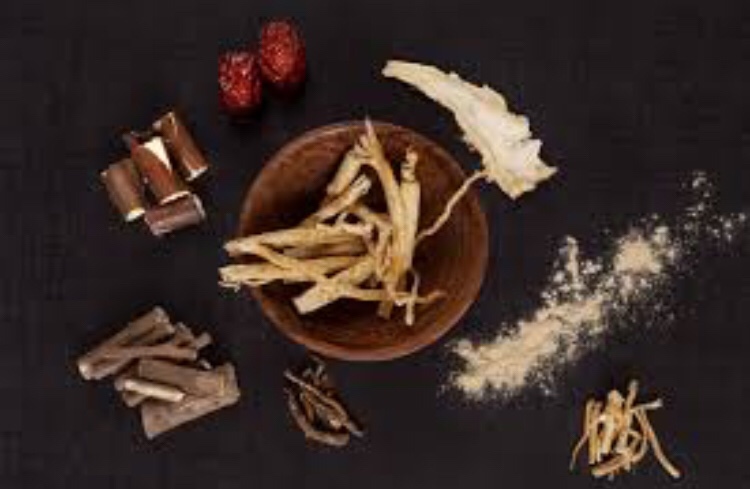
Adaptogens are a unique class of healing plants: They help balance, restore and protect the body. Adaptogens are herbs and fungi that help your body to adapt and I’ll go on to list some of the common ones below. Firstly though let’s break down what makes an adaptogen what it is. Most importantly they help your body deal with stress so you can swap being stressed, tiered and overworked for:

• Restored balance

• Energy

• Resilience to occasional stress

Adaptogens help the body’s own ability to heal. There are 3 rules that an adaptogen must adhere to to be classified as such. These are;

1. It must be safe in normal doses and not addictive, (for example, the opposite of how coffee works!).

2. It’s none specific and as such, works multiple body parts.

3. It has the ability to modelate, meaning it enhances. An adaptogen is not inherently a stimulant and not inherently a sedative or suppressant.

Right, so there are the 3 essential components, here are some examples of adaptogens you can purchase when your out and about:

– Panax Ginseng

– Holy Basil

– Ashwagandha

– Astragalus root

– Licorice root

– Rhodiola

– Cordycep mushrooms

– Reishi mushrooms

– Chaga mushrooms

Alright, hope this has inspired some deeper reading and research on what is an essential for the rigours of modern living.

Take Your Training to the Next Level – Beta Alanine

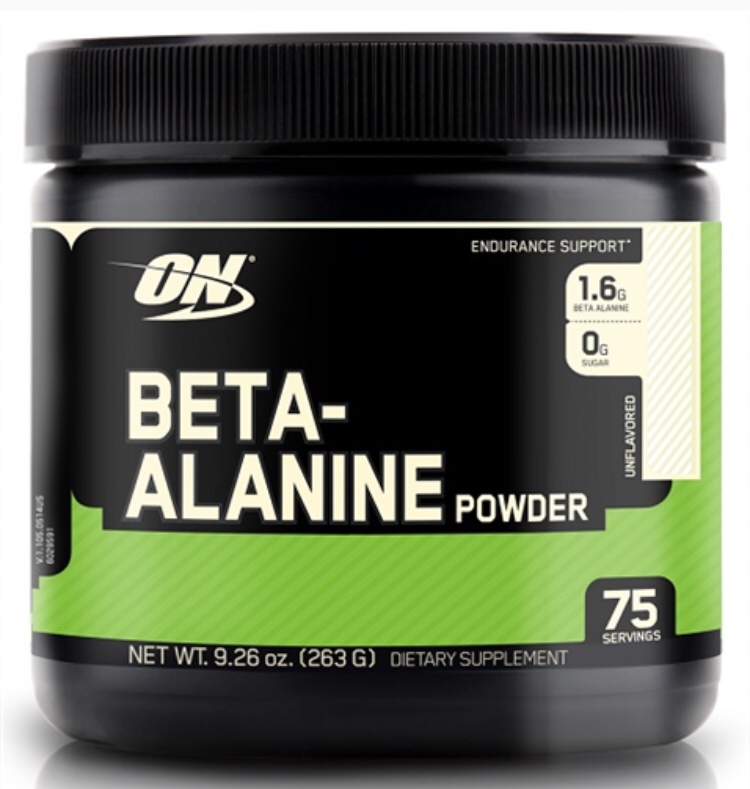
Today’s post will be looking at a super supplement that has the potential to super charge your athletic performance. That supplement be beta-alanine. Beta-alanine is a particularly awesome choice for athletes as it works to reduce fatigue during intense exercise and enhance muscular endurance.

Beta-alanine is a modified version of the amino acid alanine, and is a non essential amino acid. Unlike most amino acids, it is not used by your body to synthesise proteins for the likes of building and repairing muscle. Instead, together with histidine, it produces the molecule carnosine.

How

Carnosine is stored in cells and released in response to drops in pH within the muscle, helping to combat fatigue. Carnosine maintains the pH and has a buffering effect against the effects of lactic acid created from, for example, high intensity exercise. Carnosine can even protect against diet-induced drops in pH which could occur, for instance, from ketone production in ketosis.

In your muscles, histidine levels are normally high and beta-alanine levels low, which limits the production of carnosine. When beta-alanine is ingested, it turns into carnosine and works by subsequently increasing your muscle’s carnosine store. Supplementing with beta-alanine has been shown to elevate carnosine levels in muscles by 80%!

Exercise

Beta-alanine supplementation is best suited to moderate to high-intensity cardiovascular exercise performance, such as rowing or sprinting. However, research also shows beta-alanine has the power to improve weightlifting, increase muscle growth and enhance endurance performance with studies showing that it helps increase your time to exhaustion. Although it is most associated for exercise lasting one to four minutes, it’s still worth digging into for endurance minded athletes.

Nutrition

Beta alanine can be found in Both animal and fish produce such as turkey, chicken and prawns.

However, the amounts of beta-alanine found in the diet are not comparable with that found in supplement form. You will not see the same performance enhancement effects from food sources as those found with supplementing it. However consuming beta-alanine with a meal can further increase your carnosine levels.

Dosage

In regards to dosing I’ve read different information stating standard dosage of beta-alanine is 2–5 grams daily, to another saying 4.8 grams per day is optimal. The great ‘must listen’ Guru Performance podcast did a feature on it and advised a split dose of 2 grams, 4 times a day for a minimum of 4 weeks. I have particularly had success with this protocol.

When supplementing be aware that a minimum 2 weeks , but more like 4 weeks, is required in order to see an impact. This is also with consistent use, so don’t be fooled that you’ll see a impact on performance just from consuming it as a one off as part of a shop bought pre workout formula.

Stacking

Beta-alanine can be staked. There is some research that it can be favourably paired with creatine and sodium bicarbonate.

Creatine helps high-intensity exercise performance by increasing ATP availability. When used together, creatine and beta-alanine have been shown to benefit exercise performance, strength and lean muscle mass.

Sodium bicarbonate,or baking soda, enhances exercise performance by reducing acid in your blood and muscles.Many studies have examined beta-alanine and sodium bicarbonate in combination.The results suggest some benefits from combining the two supplements, especially during exercises in which muscle acidosis inhibits performance.

Beta alanine however does not go to well with the amino acid taurine and may deplete the body’s taurine stores as they may compete for uptake. This could be of importance if you’re taking beta alanine as part of a pre formulated pre-workout drink as they often include taurine due to its speculated stimulating effects, (which has been disproved anyway).

Tingling

Lastly, doses of beta-alanine may cause a tingling feeling called paresthesia. This may be in the neck, face or back of hands. Don’t worry though, it is a harmless side effect, and you don’t have to feel it to be getting the benefits of the supplement!

Alrighty, hope there’s been a couple of takeaways for you. Check out the previous posts for more info on nutrition, supplements and more.

Pre & Post Workout Shake – The Muscle Building Combo

Today’s post is a simple strategy for you to build muscle through optimising your immediate pre and post workout nutrition strategies. This is not to be seen as a replacement to a balanced and targeted nutrition approach, but to simply complement it and ensure you get the most from your workouts.

So initially we have the pre-workout. When purchased, the pre workout will often consist of all sorts of weird and wonderful concoctions, but mainly a crazy amount of sugar, taurine and caffeine. I’ll try and keep it pretty basic here with my suggestions though and avoid loading you up with lab synthesised nutrients and other substances.

The focus of the recommendations in this post are primarily in regards to building muscle. However, if you’re planning a particularly long, high-intensity workout with other outcomes to just building muscle, or you are low on fuel and/or you needed a pick me up prior to your exercise, I would advise the addition of a ripe banana and a coffee. These two options will give a spike in energy from the fructose, (sugar), in the banana and caffeine in the coffee. The banana will also add to your stored carbohydrate,(glycogen), and the caffeine can buffer some of the fatigue caused from exercise.

If you’re already fuelled and watching out for additional calories, then look to have a pre work out shake that consists of whey protein isolate. Whey protein isolate uses additional processing steps to reduce the fat and carbohydrate content of whey, which is usually around 80% protein and 20% carbohydrates and fats. These steps result also in a higher protein content of around 90%, and sometimes more.

The purpose of consuming the whey isolate pre workout is to avoid any muscle breakdown during the workout and support the accessing of fatty acids for fuel, as opposed to adding additional carbohydrates. Mix your whey protein isolate with a low fat milk or water.

Ok, now post workout. There are mixed opinions about the necessity of having that post workout within the “anabolic window” – the 30 minutes straight after your workout. Now unless you are an elite athlete, this will not have a hugely significant impact, as long as the rest of your nutrition (and specifically protein intake) is on point. However, if wanting to maximise your recovery in preparation for another workout later that day, and (especially in context of this post), build muscle, get a shake in you between 15 and 30 minutes post workout.

Now, to the content of that post workout shake. I advocate a food first approach and this includes the content of your shake. You need some quick absorbing carbohydrates first and foremost. Try grinding Jasmin rice & blueberries in a coffee grinder, (if time allows make the rice pre soaked). Combine this to a fast absorbing protein such as whey or pea protein. Both will help with muscle repair and synthesis. Whey isolate or concentrate are equally good as the types of amino acids found in both forms of whey are virtually identical.

Upon finishing the workout, add the preprepared rice & blueberries to either coconut water or beetroot juice. Coconut water is a good choice due to some simple sugars and potassium content. Beetroot is a good choice as it’s what’s called a vasodilator. This is something that improves blood flow around the body thus supporting recovery.

In regards to amount of rice, for someone weighing 77kg /170 pounds , use 1/2 to 3/4 cup post workout, adjust this a little up and down to meet your specific weight needs. Use just a handful of blueberries as a high level of antioxidants post exercise have been seen to inhibit adaptation. Following your post workout, aim to have a balanced meal around 45 minutes later.

Ok, I hope this has given you some idea and a helpful template to start optimising your pre and post workout regime to build muscle. Till next time.