Can Peanuts Cause Cancer?

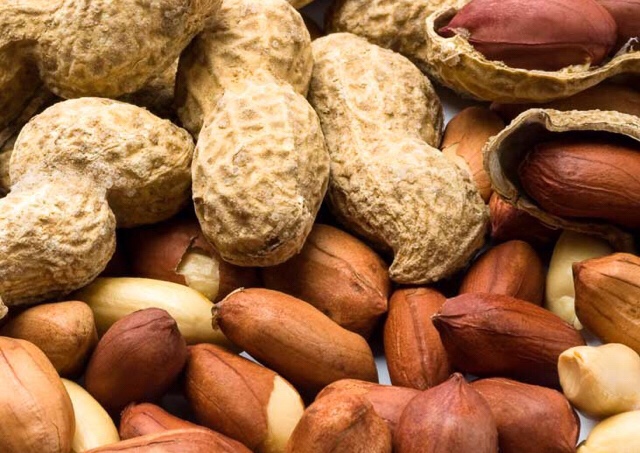
So today’s short post is about whether the staple of many a health (or unhealthy) individual’s snack box, the peanut, is cancer causing. This question peaked my interest when I read about aflatoxin, a natural toxin produced by certain strains of mold. Aflatoxin it turns out, can be rife in peanuts. As I am a tad partial to a spoonful of peanut butter here and there, this left me feeling a tad bit worried. Time for a little further investigation..

So our offending culprit Aflatoxin, is also known as Aspergillus flavus and A. parasiticus. Aflatoxin is reported to be a no less than a ‘potent’ carcinogen and is known to cause liver damage (!). If an animal is exposed to aflatoxin in great amounts or over a long period of time, it can cause liver failure and liver cancer. Aflatoxin consumption has also been shown to stunt growth in children.

People can be exposed to aflatoxins by eating contaminated plant products (such as peanuts) or by consuming meat or dairy products from animals that ate contaminated feed.

Peanuts grow underground which can be the perfect breeding ground for these molds. As part of their life cycle, molds produce and excrete various substances, and these strains excrete aflatoxin.

Similarly, when stored in warm humid silos for periods of time, peanuts can also become contaminated. Peanuts aren’t the only affected crops either. Aflatoxins have been found in pecans, pistachios and walnuts, as well as milk, grains, soybeans and spices.

If the infected peanuts are made into a product such as raw peanut butter, the aflatoxin also becomes part of the product.

Are we protected?

Roasting kills about 50 percent of the aflatoxins present in nuts. Additional to this, hand sorting after roasting to remove discoloured/rancid looking nuts further reduces the number of contaminated nuts that make it to market, according to the International Food Safety Network.

There are limits on the level of aflatoxins that can be in foods imported into the UK and the rest of the European Union (EU) and some products might need to be tested. It seems a little unclear from what I’ve read however as to how this checking takes place.

A few years ago, Consumers Union , an organisation in the United States, looked into aflatoxins in peanut butter. They found that the amounts detectable varied from brand to brand. The lowest amounts were actually found in the big supermarket brands and the highest levels were found in peanut butter ground fresh in health food stores.

This is probably as processing peanuts through heating, roasting, boiling, or pasteurising the peanut product can reduce the molds, which are killed by high heat, and thus reduce potential aflatoxin exposure.

Staying safe

So although it’s (somewhat) reassuring that there is government and industry recognition of this issue, like most things, your own preventive measures can be put in place to better reduce the risk.

Firstly, I’d say that home made nut butters are generally a far healthier option anyway, as you can be sure they don’t include hidden nasties such as sugars and vegetable oils. When making nut butters though, ensure you roast your nuts, (sorry), first. Also look through fresh peanuts, removing any wrinkled and shrivelled ones.

Also remember to always refrigerate your peanut butter to prevent aflatoxin from growing in potentially warm humid conditions in your kitchen. Lastly, and a bit randomly, eat ellagic acid, that can be found in strawberries, grapes and raspberries. This is as ellagic acid has been found to protect against aflatoxin in the body.

Conclusion

Anyone eating peanuts, peanut butter, and peanut products, whether raw or cooked, may take in a little aflatoxin. The point is not to be scared of eating raw peanuts or peanuts in general but to avoid long-term or high levels of exposure. Eating a handful of raw peanuts a few times a week probably won’t expose your body to enough aflatoxin to cause ill effects; eating raw peanut butter three times a day for years may. Till next time.

Snack Hack # 16 – The Breakfast Smoothie

Welcome back one and all to the snack hack collection! These are some short sharp injections of holistic goodness into your life. It’s been a little while since we’ve last had a snack hack, so if this is your first, please please please, go back and have a lil look at the previous selection.

Alrighty, let’s crack on. So today’s snack hack (minus a few tweaks), is via the great biohacker/athlete/nutritionist extrodinare; mr Ben Greenfield. This dude has an awesome podcast, book series and website which all offer incredible resources for health, fitness and wellbeing.

So, today’s hack is the morning smoothie. Get this right and set your day up. I like to have this smoothie particularly if I have had a tough training session the night before or have one planned later that day. I’ll generally mix my week’s breakfast routine between intermittent fasting and this breaky bomb.

Right, here’s the ingredient list and some brief reasons why you will be putting in what;

1. 1 to 2 large handfuls of Kale.

Why?

Kale, a member of the cruciferous veg family has a decent dose of the omega-3 fatty acid called alpha linolenic acid. This is arguably the most beneficial property of eating kale due its ability to be a powerful anti-inflammatory agent. Kale is also particularly rich in vitamin C and beta-carotene (the precursor to vitamin A).

Other significant antioxidants include vitamin K and a type of vitamin E that seems to be heart-healthy. Not to mention healthy portions of magnesium, folate and B vitamins.

2. Half an avocado, or a whole one if it’s a high calorie day.

Why?

Avocados are an awesome source of a monounsaturated fatty acid called Oleic acid. This has been linked to reduced inflammation and been shown to have beneficial effects on genes linked to cancer.

Avocados are also a fine source of potassium, more than bananas in fact. Several studies show that having a high potassium intake is linked to reduced blood pressure, a major risk factor for heart attacks, strokes and kidney failure.

They also contain lots of fibre and are rich in vitamins and minerals, such as B-vitamins, vitamin K, copper, vitamin E and vitamin C.

3. 2/3 to 1 full tin of full fat coconut milk.

Why?

Coconuts are highly nutritious and rich in fibre, vitamins C, E, B1, B3, B5 and B6 and minerals including iron, selenium, sodium, calcium, magnesium and phosphorous. Unlike cow’s milk, coconut milk is lactose free so can be used as a milk substitute by those with lactose intolerance.

Coconut milk contains beneficial fat called lauric acid, a medium-chain fatty acid that’s easily absorbed and used by the body for energy. It also contains healthy saturated fatty acids can help you lower cholesterol levels, improve blood pressure, and prevent heart attacks or a stroke.

For more on coconut’s incredible health benefits, check this previous post; http://whatsuppblogblog.com/2017/05/29/snack-hacks-7-coconut/ .

4. 1 tble spoon of coconut oil or extra virgin olive oil.

Why?

Ok so I’ve explained some of the benefits of coconut fatty acids and as extra virgin olive oil is a monounsaturated fat similar to avocado fatty acids, I won’t go into more detail. What I’ll add is though, and this is crucial, you can knock back all the nutrients you like, but you need fat to help absorb them into the body. Nuff said.

Step 2

OK, stop there. Blend everything above for 60 seconds-ish. You don’t want to pulverize things like protein powder, collagen, etc., and you also don’t want to pulverize the chunky chunks of goodness you’re about to toss in. Now, let’s keep going. To your blended green goodness, add:

5. 20-30g of a “clean” protein powder

Why?

Initially, what do I mean by clean? Basically minus sweeteners and additives. You don’t need to crazy on protein powders after the gym or a workout, so spend a little more and use a little less.

Protein is an essential nutrient, responsible for multiple functions in your body, including building tissue, cells and muscle, as well as making hormones and anti-bodies. Studies also suggest that as we get older we may benefit from eating more protein because it helps minimise the muscle loss associated with ageing.

Protein is made up of amino acids which are the building blocks of body tissue repair and growth. Protein can also serve as a fuel source. As a fuel, proteins provide as much energy density as carbohydrates. Look for protein with a full or high amino essential amino acid profile such as whey or pea protein.

6. 2 teaspoons of a good organic collagen hydrolysate.

Why?

Collagen is the most abundant protein in our bodies. It’s found in muscles, bones, skin, blood vessels, digestive system and tendons. Adding it into your diet will improve all the above functioning. It will also support the liver, your energy production via the metabolism as well as supporting the gut microbiam. As well as this it helps skin elasticity and is particularly helpful for reducing joint and tendon inflammation.

7. 1 large handful of unroasted, non-vegetable-oil coated walnuts, macadamias or almonds.

Why?

Nuts are great sources of healthy fats as well as packing both carbohydrates and protein within them. Walnuts and Almonds, (or even better macadamia nuts) have a far more favourable omega 3 to omega 6 ratio. Omega 3, as mentioned already, is essential for many a healthy function in the body and is not as generally abundant in food types as it’s cousin, omega 6.

8. 1 tsp of cinnamon

Right, first thing first. If you want to gain any medicinal benefits from adding cinnamon, it needs to be Ceylon cinnamon. Read this previous post, ( http://whatsuppblogblog.com/2017/11/16/snack-hack-13-ceylon-cinnamon/), about the detailed health benefits of Ceylon and the potential dangers of the more regular Cassia that’s sold in the main.

In short however, and amongst other qualities, cinnamon can act to balance blood sugars and have anti bacterial qualities.

9. 2 tsp of unsweetened cocoa powder.

Why?

Cocoa is packed with polyphenols, plant compounds with antioxidant and anti inflammatory qualities that combat the bodies waste product free radicals and other toxins. Cocoa has many other benefits from neurological to again balancing blood sugars. Read more here in this previous post http://whatsuppblogblog.com/2017/03/05/chocolate-a-superfood/ .

Step 3

Now blend again. Quickly this time so that you don’t pulverize the chunks. About 15 seconds will do. Finally, stir (don’t blend) in the following ingredients:

10. 1 small handful organic dark cacao nibs or very dark chocolate.

11. 1 large handful organic unsweetened coconut flakes.

Give your smoothie a good stir and boom, breakfast delight! I like to eat mine with a spoon but if you want to chug it down, crack on. Hope you all enjoy, please give a like and comment! Till next time.

Cheap Eat Nutrition # 31 – Nutritious whole foods on a budget – Rosemary & Mustard Baked Gammon

Welcome a back one and all to the rather tasty yet also rather affordable cheap eat nutrition recipe ideas. As ever, my job is to bring you an affordable, tasty and pretty easy to assemble treat for your taste buds. Today’s treat, rosemary and mustard gammon!

 
This little topping extraordinaire is particularly keto friendly. It can however have the cream switched for coconut cream, if paleo is your bag or you’re dairy intolerant. 

Although this this recipe is ideal with gammon, it is also perfect with other red meats such as stakes, pork and beef joints. 

Ingredients:

– 4 tble spoons of mustard

– 4 tble spoons of full fat cream

– 1 tsp of minced garlic

– 1 tsp of rosemary 

– 1/2 tsp of pepper

– 1 joint of gammon 

Method:

1. Place joint in preheated oven and following the cooking instructions. 

2. Combine mustard and cream, mix thoroughly together. 

3. Mix together dry ingredients and garlic. Add to mustard & cream, stirring thoroughly. 

4. Remove gammon 20 minutes prior to its allocated finish time. 

5. Using the back of a tble spoon, cover the joint evenly in the mixture. Replace in oven and allow to cook for the remaining 20 minutes  

Well happy cooking folks, please drop a comment and a like if you like! Till next time. 

The Vitamin Breakdown! – Vitamin B3

Welcome back one and all to the vitamin breakdown series! These posts are simply to break down each one of those often referenced healthy vitamins. I’ll detail what they do, how they do it and where you get it. 

Today’s post is still with the B vitamins, commonly known as the B-complex vitamins. As detailed in previous posts, B vitamins help the body convert carbohydrates into fuel (glucose), which the body uses to produce energy. These B vitamins also help the body metabolise, or simply use, fats and protein for various functions. 

B-complex vitamins are needed for a healthy liver, healthy skin, hair, and eyes, and to help the nervous system function properly. As there are 8 B vitamins in total, we’ve still got some way to go. So without further ado ladies and gents, I present to you.. vitamin B3!

Vitamin B3, like its compadres, is a water-soluble vitamin. It is also known as niacin. There are three forms of niacin; Niacinamide and Inositol hexanicotinate and Nicotinic acid. 
The two main chemical forms of niacin each have different effects on the body. Both forms are found in foods as well as supplements;

– Nicotinic acid: As a supplement, nicotinic acid is the form of niacin that’s used to treat high cholesterol and heart disease.

– Niacinamide or nicotinamide: Unlike nicotinic acid, niacinamide doesn’t lower cholesterol. However, it can help treat type 1 diabetes, some skin conditions and schizophrenia. 

We’ll go with into some more detail about the role of both forms of B3 in a bit. 

Digestion

As with all of the B vitamins, niacin helps breakdown and convert food into energy by helping enzymes do their job. Specifically, niacin is a major component of NAD and NADP, two coenzymes that are involved in cellular metabolism. Furthermore, it plays a role in cell signalling and making and repairing DNA, in addition to acting as an antioxidant.

 It also acts to maintain and strengthen the gastro-intestinal tract, which is an organ system within humans and other animals which takes in food, digests it to extract and absorb energy and nutrients, and expels the remaining waste as feces. 

The Circulatory System  & Inflammation   

Niacin plays a role in circulation, the suppression of inflammation and reduces anti-oxidative stress through its antioxidant capacity. As well as reducing inflammation , niacin supports the production of histamine, which is a chemical compound capable of dilating blood vessels  and thus improving circulation.

Niacin’s anti inflammatory symptoms are impressive with even a recent animal study suggested that niacin may be helpful in preventing inflammatory bowel disease and colitis. This protection could be attributed to niacin’s anti-inflammatory and anti-angiogenic effects. (Angiogenic means the formation and development of blood vessels.)

There’s good evidence that it helps reduce atherosclerosis, or hardening of the arteries in some people. For people who have already had a heart attack, niacin seems to lower the risk of a second one. In addition, niacin is an approved treatment for pellagra, a rare condition that develops from niacin deficiency.

Hormones 

Niacin helps the body make various sex and stress-related hormones in the adrenal glands and other parts of the body. It plays a key role in liver function where it helps remove harmful chemicals from the liver. 

Niacinamide has a strong calming effect, so it works synergistically with melatonin to make you sleep well. Sleep is of course essential to growth hormone production. Niacin also directly stimulates growth hormone secretion. Back in 1983, researches found that intravenous administration of 500 mg of niacin produced a dramatic rise in growth hormone. Now its known that even small amounts of niacin can boost blood levels of growth hormone.

The Big One

This improving of circulation may have a significant impact for males suffering with intimacy problems. According to a study published in the Journal of Sexual Medicine, vitamin B3 was found to improve the ability to maintain an erection in men with moderate to severe erectile dysfunction. 

Supplementing with Vitamin B3 niacin can help decrease impotence because niacin acts as a vasodilator that helps improve blood flow to the genital region. One blog writer advised supplementing with Vitamin B3 niacin (250 mg) 3 times per day, but I’d highly recommend speaking with a health professional first. 

The Brain

Your brain needs niacin, as a part of the coenzymes NAD and NADP, to get energy and function properly. In fact, brain fog and even psychiatric symptoms have been associated with niacin deficiency.

Some types of schizophrenia can be treated with niacin (or niacinamide), as it helps undo the damage to brain cells that occurs as a result of deficiency. Studies have in fact also shown correlations between increased niacin intake and lower risks for attention deficit-hyperactivity disorder (ADHD).

There is evidence that niacin can help to lower the risk of developing neurodegenerative diseases including Alzheimer’s disease, although results have been mixed. However niacin may well play a role in reducing memory loss and other age related brain disorders that result in cognitive decline. 

Some studies have found the taking niacin may help stroke patients. When rats with ischemic stroke were given niacin, their brains grew new blood vessels, according to researchers at Henry Ford Hospital in Detroit, Michigan

Additionally, niacin has been correlated with a decreased risk for many problems regarding poor brain function or loss of age-related thinking skills. This includes migraine headaches, chronic brain syndrome, depression, motion sickness, insomnia, and even alcohol dependence

Muscles & Joints

Some research shows that Vitamin B3 in the form of niacinamide can be effective in increasing joint mobility. Studies correlate niacin intake with lower levels of joint pain, enhanced muscle strength, and fewer symptoms associated with muscle or joint fatigue.
Prescribed high doses of niacinamide has been seen in studies to improve flexibility and reduce swelling, allowing some people who take niacinamide to be able to cut down on standard painkillers or medications for arthritis. 

As a treatment for osteoarthritis or bone and joint pain, niacin is normally prescribed in high doses for its anti-inflammatory effects. Reducing inflammation helps to lower the occurrence of symptoms of arthritis and to rebuild the joint cartilage that is crucial to mobility and strength.

Diabetes 

Vitamin B3 niacin may be helpful for treating diabetes because of the role it plays in balancing blood sugar levels. It’s believed that vitamin B3 in the form of niacinamide can help improve the efficiency of certain oral drug treatments that are used to control diabetes.

It’s important to note however that niacin is suspected for possibly contributing to complications with rising blood sugar levels, so if you have any known condition related to high glucose in the blood, speak with your doctor before supplementing with any form of Vitamin B3 niacin to avoid unwanted niacin side effects.

Skin Care

Niacin helps protect skin cells from sun damage, whether it’s used orally or applied to the skin in lotions. Some recent research suggests it may help prevent some types of skin cancer.

A 2015 study found that taking 500 mg of nicotinamide twice daily reduced rates of non-melanoma skin cancer among people at a high risk of skin cancer.

It may be good for other skin conditions, too. In a double-blind trial by the State University of New York, the topical application of a 4 percent niacinamide gel twice a day for two months resulted in a similar acne improvement when compared to 1 percent clindamycin gel. 

Cholesterol 

Niacin, but not niacinamide, has been used since the 1950s to modestly lower elevated LDL (bad) cholesterol and triglyceride (fat) levels in the blood. As a cholesterol treatment, there are good studies showing that niacin can boost levels of good HDL cholesterol also. It’s often prescribed in combination with statins for cholesterol control, such as Crestor, Lescol, or Lipitor. However, side effects can be unpleasant and even dangerous. 
 
Niacin is only effective as a cholesterol treatment at fairly high doses. These doses could pose risks, such as liver damage, gastrointestinal problems, or glucose intolerance. So don’t treat yourself with over-the-counter niacin supplements and speak with a doctor first. 

Deficiency & Recommend Daily Allowance 

People with weak muscles, digestive problems, skin irritation or pellagra may have a severe vitamin B3 deficiency. These people need to administer an increased dosage of vitamin B3 supplements into their diet.

Symptoms of mild B3 deficiency include:

Indigestion

Fatigue

Canker sores

Vomiting

Poor circulation

Depression
The NHS says the amount of niacin you need is about:

16.5mg a day for men 

13.2mg a day for women 

You should be able to get all the niacin you need from your daily diet and as niacin can’t be stored in the body, so you need it in your diet every day.

Sources 

See below’s quality sources of niacin, and how many Grams are provided;

1. Beef Liver 
3 oz: 14.2 mg 
2. Chicken Breast
3 oz: 12.3 mg 
3. Tuna
1 can (about 3 oz.): 11.3 mg 
4. Sunflower Seeds
1 cup: 9 mg 
5. Grass Fed Beef
3 oz: 9 mg 
6. Lamb
3 oz cooked: 6.9 mg 
7. Salmon
3 0z: 6.7 mg 
8. Split Green Peas
1 cup oz: 5.7 mg 
9. Sardines
1 can in olive oil: 4.8 mg 
10. Turkey
3 oz: 4 mg 
11. Mushrooms
1 cup white button mushrooms: 2.5 mg
12. Tahini (sesame seed paste)
2 Tbsp: 2.2 mg 

Beware

Taking high doses of nicotinic acid supplements can cause skin flushes. Taking high doses for a long time could lead to liver damage.

There’s not enough evidence to know what the effects might be of taking high daily doses of nicotinamide supplements

 There are other studies reporting a host of issues with taking niacin in high doses, from muscle pain, digestive distress, and skin inflammation. 

All of this being said, niacin has many useful benefits and is still commonly prescribed today despite the possibility for experiencing certain niacin side effects. 

Consuming B vitamins together in a quality B Vitamin Complex supplement also allows them to work better in the body, since the B vitamins interact with one another to make absorption and conversion possible.  

Alrighty, a pretty comprehensive guide to vitamin B3, hope you enjoyed! Till the next time