The Super Star Supplement – PQQ

Welcome back to the What Supp Blog! As ever I’ll seek to explore some nifty little (but potentially actually pretty big) supplementations you can introduce to maximise your health and well-being.

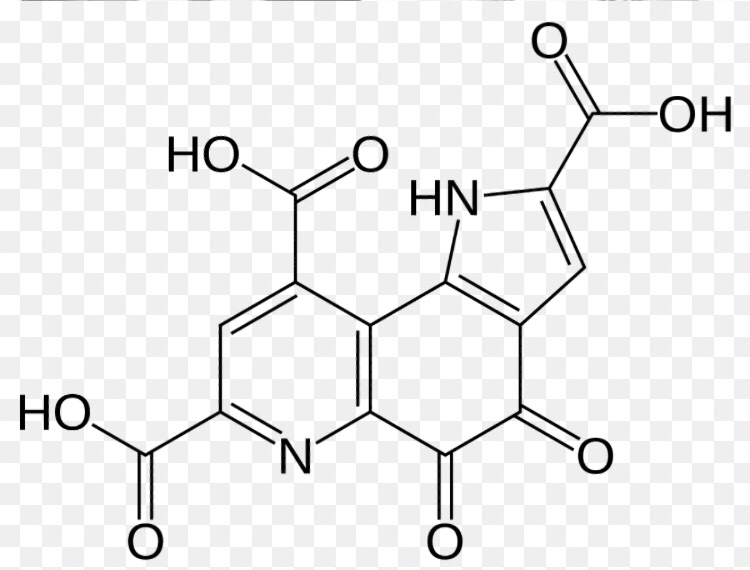
Today’s post is going to be looking at the supplement that is widely known as PPQ. PPQ, or to call it by it’s official title; Pyrroloquinoline quinone, is a vitamin-like compound found in plant foods that is showing a wide range of benefits to brain and body functions.

Although PQQ is not currently viewed as a vitamin, it is likely to be considered an essential nutrient in the future. An essential nutrient is termed essential as, essentially, the body can’t produce it itself so needs to ingest it through the diet.

PQQ was first discovered as a cofactor for enzyme reactions in bacteria where it serves a similar function to that of B vitamins for humans, turning food into energy.

A ‘cofactor’ just means that it helps enzymes accomplish their jobs. Enzymes are biological catalysts – substances that increase the rate of chemical reactions without being used up. However, today’s scientific consensus is that, unlike plants and bacteria, PQQ is probably not an enzymatic cofactor in humans.

Found in high levels in breast milk, PQQ is presumed to be a non-vitamin growth factor. We’ll now explore how this growth inducing quality manifests itself through the various functions of PQQ within the body.

Inflammation

PQQ works as an extremely powerful antioxidant decreasing inflammation and free radicals. PQQ actually blows other antioxidants such as Vitamin C, literally out the water, (there’s a joke about water soluble vitamins in there somewhere).

One study showed that healthy humans who took 20 mg of PQQ (for a 150-pound male) had a significant decreases in the levels of C-reactive protein (by 45% after 3 weeks) and IL-6, 2 key markers of inflammation. A lower dosage however didn’t decrease inflammation.

Energy production

As we’ve seen, various urinary markers of oxidative stress are seen to improve with PQQ supplementation, which relates to Its impact upon building the density of your mitochondria.

Mitochondria are the organelles; tiny structures within a living cell, working to produce cellular ATP, or adenosine triphosphate. ATP is the resulting energy currency produced by your cells that keeps the body firing. So in a nutshell, all your cellular energy, or just your energy per say, comes from mitochondria, which are the batteries of each and every cell.

A study showed that deprivation of PQQ in rats and mice led to a decrease in mitochondrial density, which means that a deficiency in PQQ may be responsible for low energy levels.

PQQ not only protects mitochondria from oxidative stress, it also promotes the spontaneous generation of new mitochondria within ageing cells, a process known as mitochondrial biogenesis or mitochondriogenesis. This effect is a “fountain of youth” for mitochondrial function because as you age, the number and performance of mitochondria you have in your cells decreases, reducing your health and longevity

Brain Power

PQQ supplementation stimulates the production and release of nerve growth factors in cells that support neurons in the brain, a possible mechanism for the improvement of memory function it appears to produce in aging humans and rats.

You In fact PQQ has been seen to reverses cognitive impairment caused by chronic oxidative stress in animal models and improve their performance on memory tests.

Research suggests PQQ also improves Memory and Reasoning. PQQ triggers the DNA reading protein CREB , which plays a key role in growth and gene expression.

CREB also stimulates the growth of new mitochondria and increases Brain-derived neurotrophic factor; BDNF. BDNF supports the survival of existing neurons, and encourage the growth and differentiation of new neurones and synapses. In the brain, it is active in the hippocampus, cortex and basal forebrain- areas vital to learning, memory and higher thinking.

Fertility

Giving animals a diet deficient in PQQ limits growths and reproduction. One study showed that PQQ improves the reproductive performance of mice, as well as growth of newborn mice. Mice in the PQQ-supplemented group averaged 8 pups/litter, compared to 4-5 pups/litter in the PQQ-deficient group. This suggests that the mitochondrial health of parents has a significant impact on their offspring’s potential to thrive.

Get it in you

PQQ is found in mammalian tissues. In humans, tissue concentration of PQQ is thought to be around 0.8-5.8ng/g. Humans make 100 to 400 nanograms of PQQ each day, not a large amount. The science is not clear how humans synthesise PQQ. In bacteria, PQQ is synthesised from the amino acids l-tyrosine and glutamate.

PQQ naturally occurs in almost all foods, ranging from 0.19 to 61ng/g, but is especially concentrated in the following foods :

• Fermented soybean products (e.g. Nattō)

• Green soybeans

• Spinach

• Field mustard (5.54 +/-1.50ng/g fresh weight)

• Tofu

• Green tea

• Green peppers

• Parsley

• Kiwi fruits

Supplementing

The PQQ content of even the most PQQ-rich foods is much lower than the amount you can get from a supplement (5 to 20 mg). PQQ is almost entirely metabolized before being eliminated.

Both the acid form and salt forms of PQQ, at the intestinal concentrations usually obtained following supplement use, are soluble and probably equally available (absorbable) by the intestine. Animal studies suggest that PQQ is reasonably well absorbed (50%), particularly at low doses.

In rats, 62% of PQQ was absorbed in the gut when taken with a meal. In rodents studies, PQQ is mostly (86%) eliminated 24 hours after ingestion. However, some PQQ residues remain in the skin and kidneys. I have heard some warnings about continued use of high dose supplements however, so go easy and look to cycle on and off every few days if you’re starting out.

Alrighty, well hopefully I’ve given you some insight into this impressive nutrient. I would always look to whole foods as my first base for the properties with isolated supplements, however, as PQQ is so impressive, it really could be worth giving a good quality supplement a shot if you need to increase your energy levels.

Thanks for reading and as ever, please like and leave a comment! Till next time.

Cheap Eat Nutrition # 32 – Nutritious whole foods on a budget – Spicy Beetroot Chips

Welcome back to the Cheap Eat Nutrition recipe series! These recipes aim to prove that nutritious whole food recipes are adorable and easy for one an all.

Today’s recipe is a spicy little number, none other than spicy beetroot chips! Beetroot is an acquired taste, one that I have never been too big fan of. Beetroots however are incredible nutritionally dense source of healthy carbohydrates. Its ability to positively effect blood pressure and flow having the impact to help everyone from the elderly to high performance athletes.

If you want to learn a little more about beetroot as a superfood, check my previous short post – http://whatsuppblogblog.com/2018/01/20/snack-hack-15-beetroot-for-improved-wellbeing-enhanced-athletic-performance/

Ok, so as mentioned I get beetroots aren’t everyone’s cup of tea, but this recipe could just be the mind changer! Let me know how you get on..

You’ll need

– 1 large beetroot / 2 medium beetroots

– 1 tbsp of coconut oil

– 1 to 2 tsps of chilli flakes

– 1 tsp of oregano

– Salt & pepper

Method

1. Preheat oven to 180c

2. Half the beetroot and slice. Try to make the slices as thin as possible, this will add to them having a more chip consistency.

3. Spread chips evenly on baking tray. Take tbsp of coconut oil and coat the chips. Be sure to rub the oil in to each chip using your fingers for an even spread, (this will make difference!).

4. Sprinkle over oregano, then chilli flakes. I like to be pretty liberal with the chilli, but modify to your own taste of how hot you like.

5. Finish off by sprinkling salt & pepper. Place in the oven and check at 8 minutes. Give a stir round if some aren’t cooking as well. Heat for another 8 – 12 minutes depending on how well done you like.

6. Serve & enjoy!

Snack Hack # 17 – The Anti-Ageing Exercise Routine

Welcome back to another snack hack! These little bite size morsels are simple tips and tricks to get the maximum out of your spirit, body and mind.

Today’s hack is the anti-aging effect of high intensity anaerobic exercise. High intensity exercise is essentially physical training that causes you to go into an anaerobic state. While aerobic exercise ( long and steady paced training) means ‘with oxygen’, anaerobic means ‘without air’ or ‘without oxygen’.

Anaerobic exercise is short-lasting, high-intensity activity, where your body’s demand for oxygen exceeds the oxygen supply available. Anaerobic exercise relies on energy sources that are stored in the muscles and, unlike aerobic exercise, is not dependent on oxygen from breathing.

Examples of anaerobic exercise include:

heavy weight-lifting, all types of sprints (running, biking, etc.), jumping rope, hill climbing, interval training, or any rapid burst of hard exercise.

Other kinds of similar exercise modalities that you may well of heard of are HIT – High Intensity Training and HIIT – High Intensity Interval Training. Both of these methods, especially HIIT, are similar, but variations of a basic high intensity protocol.

Anti – Ageing

A recent study published in the journal Mechanisms of Aging and Development confirms the anti-ageing effect of high-intensity training.

Telomere shortening occurs as you age, however the factors involved are not entirely understood as of yet. The study was conducted to determine whether age-associated telomere shortening is related to habitual endurance exercise and maximal aerobic capacity.

Each of your cells has a nucleus, which contains the chromosomes that in turn contain your genes. The chromosome is made up of two ‘arms’, and each arm contains a single molecule DNA, which is essentially a string of beads made up of units called bases.

A typical DNA molecule is about 100 million bases long, and at the very tip of each arm of the chromosome is where you’ll find the telomere.

Your telomeres shorten every time your cell divides, starting at the moment of conception. If you were to unravel the tip of the chromosome, a telomere is about 15,000 bases long at the moment of conception, and once your telomeres have been reduced to about 5,000 bases, you will essentially die of old age.

The results suggest there’s a direct association between reduced telomere shortening in your later years and high-intensity-type exercises.

Human Growth Hormone

High-intensity interval-type training also boosts human growth hormone (HGH) production. A 2003 study published in the journal Sports Medicine found that “exercise intensity above lactate threshold and for a minimum of 10 minutes appears to elicit the greatest stimulus to the secretion of HGH.”

The body naturally produces growth hormone (HGH or simply GH) in the pituitary gland, and, as its name implies, it is responsible for cell growth and regeneration. Increasing muscle mass and bone density are impossible without HGH, but it also plays a major role in maintaining the health of all human tissue, including that of the brain and other vital organs.

When secreted, HGH remains active in the bloodstream for only a few minutes, but this is enough time for the liver to convert it into growth factors, the most crucial of which is insulin-like growth factor-1, or IGF-1, which boasts a host of anabolic, (building & repair) properties.

Exercise Plan

Ok, that’s the science done. Now for the practical. The exercise method I’m going to present is called the Mercola Sprint 8 protocol. The key to performing Sprint 8 exercises properly, as we’ve highlighted already, is to raise your heart rate up to your anaerobic threshold. Keep pushing at this maximum effort for 20 to 30 seconds CONTINUOUSLY, and then rest for 90 seconds.Repeat this cycle for a total of eight repetitions and ensure you use a timer, guessing won’t cut it!

Choose an exercise such as burpees, sprints or more challenging exercises such as clap push ups or jumping lunges. If you’re already training moderately to intensely 3/4 times a week then this really doesn’t need to be done more than a once additional session to your training program. If not training at this intensity or regularity however, look to implement this protocol 3 times a week.

Thanks for reading. Please leave a like, share and comment, till next time!

The Vitamin Breakdown! – Vitamin B5

Welcome back to the vitamin breakdown series! It’s been a lil while since I posted an update in the series. So, with this in mind, let’s head on back down the vitamin rabbit hole..

Today’s topic will be Vitamin B5, which is also known as pantothenic acid or (somewhat less commonly) pantothenate. B5 is a water-soluble vitamin that is found in all living cells within the body.

Pantothenic acid is an essential nutrient, meaning it can’t be produced by the body, or at least not in adequate amounts, and therefore has to be gained regularly through your diet.

Fuelling the Body

Pantothenic acid / B5, like it’s B vitamin complex chums, has a key role to play in metabolism and creating Adenosine Triphosphate (ATP), the powerhouse of every cell in your body.

B5 is a component of coenzyme A (CoA),which plays a critical role in the utilisation (breaking down) of fats and carbohydrates into energy production. It helps the body to break down proteins working to regenerate muscles faster.

B5 acts to make lipids (fats), which are a source of fuel for the body and are an important constituent of the structure of cells. These processes aid in the building of stamina in the body as B5 makes accessing the energy from the food we ingest, so efficient.

Vitamin B5 is also important in maintaining a healthy digestive tract, boosting immunity in the process. It importantly works with other B vitamins in the B Vitamin Complex, helping the body use other vitamins such as riboflavin (vitamin B2).

Heart Health

Vitamin B5 has an impressive record of keeping the human heart in normal working condition. It regulates the level of cholesterol by lowering triglycerides and can also help in controlling of blood pressure.

Vitamin B5 plays an important role in the cell turnover and cell regeneration. For example, B5 helps the body generate more haemoglobin, a protein that helps carry oxygen around the body in red blood cells. It does this by acting in cohesion with elements such as iron and copper. This of course has some far reaching impacts for athletes, highlighting the need for B5 in the diet.

Nervous System

Vitamin B5 is essential for a healthy functioning nervous system throughout the brain and whole body. The energy B5 helps to produce is what fires the neurotransmitters in your brain. These neurotransmitters carry chemical signals throughout our entire body to keep every system functioning properly. Due to this role, a B5 vitamins rich diet is crucial for maintaining the health of functional and healthy nervous system.

Brain Booster

As discussed, Pantothenic acid functions in the body as part of Coenzyme-A (CoA). As part of the relationship, they’re involved in the synthesis of the neurotransmitters acetylcholine, epinephrine, and serotonin, all which can effect alertness, cognition, memory and mood. It is particularly important for the synthesis of acetylcholine (ACh). Adequate levels of ACh in particular can boost focus, memory, learning, and reduce brain fog.

Stimulates Hormones

B5 acts as a synthesiser of many important components required by the human body. It has stimulating properties that help regulate the release of hormones from different glands in the body and ensures they are balanced and performing their needed tasks. For instance, it can work to be stimulating of adrenal hormones. The adrenal glands are small glands which sit atop the kidneys and control numerous important functions in the body. B5 plays a part in generating both sex and stress-related hormones produced in the adrenal glands.

Mental Health & Emotional Wellbeing

Vitamin B5 has an important role in reducing stress and other serious mental health conditions such as anxiety and depression. It does this by regulating the hormones responsible for causing these imbalances.

Pantothenic acid contributes to the body’s ability to regulate the stress hormone cortisol, also commonly know as the ‘fight or flight’ hormone. When experiencing times of high emotional distress, you can overproduce stress hormones, which in turn depletes vitamin B5 stores. Adding more mushrooms to your diet for instance can actually help you restore some balance.


Skin Care and Hair Health

So as we’ve seen, B5 is a stimulator and balancer for hormones in the whole body. This function helps protect the pigmentation of hair follicles and also keeps the skin looking tighter and healthy looking for longer. A healthy intake of vitamin B5 has shown properties of reducing the appearance of wrinkles and age spots on the face.

Food Sources

Deficiencies of pantothenic acid are rare, but taking too much pantothenic acid in supplement form may cause diarrhoea. As with most vitamins, food sources are best. Try and consume 2-3 servings a day of these vitamin B5 rich foods daily.

Top 10 B5 rich foods

1) Chicken Liver
3 oz: 8.3 mg

2) Sunflower seeds
1 oz: 1.98 mg

3) Salmon
3 oz: 1.9 mg

4) Avocados
1 fruit: 2 mg

5) Sun-dried tomatoes
1 cup: 1.1 mg

6) Corn
1 cup: 1.18 mg

7) Broccoli
1 cup: 0.52 mg

8) Mushrooms
1 cup: 1.3mg

9) Cauliflower
1 cup: 0.71 mg

10) Yogurt
1 cup: 1.45 mg

Other sources include;

▪ egg yolk

▪ organ meats, beef, salmon, chicken, duck, lobster and turkey

▪ vegetables such as broccoli, avocados, tomatoes, sweet potatoes and kale

▪ peanuts

▪ soybeans

▪ wheat germ

▪ legumes

Deficiency

You should be able to get all the pantothenic acid you need by eating a varied and balanced diet. If you take supplements, don’t take too much as this might be harmful.

The NHS website states taking 200mg or less a day of pantothenic acid in supplements is unlikely to cause any harm should you be feeling deficient.

Symptoms of a vitamin B5 deficiency may include:

• fatigue

• depression

• irritability

• insomnia

• stomach pains

• vomiting

• burning feet

• upper respiratory infections

• muscle cramps

People at a greater risk of developing a vitamin B5 deficiency include alcoholics, women on oral contraceptives/ birth control pills, people with severe malnutrition, and people with impaired absorption of vitamins and minerals due to certain medications or intestinal disorders.

Alrighty, thanks for seeing this through once again! If you liked the post please show the love by giving a like a comment. Till next time.