The Vitamin Breakdown! – Vitamin B2

Welcome back to the vitamin breakdown! This series aims to break down the vitamin alphabet into short sharp posts telling you why to get what and where to get it from. 

Today’s post is continuing with the B vitamins, with the focus today going on vitamin B2. Vitamin B2 is also known as Riboflavin, ( and when written for those there science folk, vitamin B2). As with most vitamins you will find Riboflavin is found in food and used as a dietary supplement.

Vitamin B2 is a water-soluble vitamin. We explored the difference between fat and water soluble vitamins in the previous two posts in the vitamin breakdown, so I won’t go into to much detail here. Water-soluble vitamins are carried through the bloodstream, and whatever is not needed passes out of the body in urine. What is important though is as water soluble vitamins are not stored by the body, you need a daily intake of them. 

Riboflavin is an essential vitamin meaning the body doesn’t create it and needs it from the foods we eat, preferably on a daily basis! Riboflavin takes on one of two chemical forms in the body; flavin adenine dinucleotide, also called FAD, and flavin mononucleotide, also called FMN. 

Energy

All B vitamins are used to help digest and extract energy from the foods you eat; they do this by converting nutrients from carbohydrates, fats, and proteins into useable energy. 

Like its fellow other B vitamins, Riboflavin plays a significant role in the production of energy. 
Alongside vitamin B1, B2  in the form of FAD, acts as a cofactor in metabolic reactions involving energy production from carbohydrates and ketone bodies, whilst also processing fats and amino acids. It helps in the conversion of carbohydrates to sugar, which fuels many functions in the body. 

So as we can see, Riboflavin plays an active part in the electron transport chain that produces cellular energy. Riboflavin helps convert carbohydrates into adenosine triphosphate (ATP). The human body produces ATP from food, and ATP produces energy as the body requires it. The compound ATP is vital for storing energy in muscles. 

Health

Riboflavin also acts as a antioxidant in the body. As an antioxidant, Vitamin B2 is responsible for preventing free radical damage caused by the oxidation of cells in the body. This in turn acts to protect the skin and eyes, as well as the development of a number of health conditions, such as heart disease and cancer.

Riboflavin doesn’t stop there on its quest for nutritional superiority mind you. It helps in the maintaining of healthy blood cells and facilitating a healthy metabolism. It can be particularly important for helping your body metabolise medication for instance. Some research is even suggesting that it may help prevent cataracts and migraine headaches, even though further studies are needed to confirm this.

Riboflavin is also needed to help the body change vitamin B6 and folate into forms it can use. It is also important for growth and red blood cell production. This is particularly significant for pregnant women and it’s an essential in the diet for healthy fetas development. Alongside other B vitamins it’s also important for hormonal function, nerve and heart health, and reducing inflammation. 

Deficiency 

Additional supplementation appears to be fairly uncommon due to its presence in a lot of foods. A Vitamin B2 deficiency however can happen due to numerous factors, such as over-dieting, abusing alcohol, liver disorders, and kidney dialysis. The elderly, the chronically ill and alcoholics are groups who may be especially susceptible to riboflavin deficiency. 

Women who take birth control pills may also benefit from supplementation – the body’s ability to absorb riboflavin is believed to be reduced when taking birth control pills. 

Riboflavin deficiency is particularly widespread among alcoholics because chronic alcohol abuse lowers the quantity of Vitamin B2 (and other nutrients such as Vitamin B1) that is absorbed by the body. 

As a supplement vitamin B2 is used to prevent and treat riboflavin deficiency and prevent migraines. It may be given by mouth or injection.

Signs of a Vitamin B2 deficiency can include:

– Anemia

– Fatigue

– Nerve damage

– A sluggish metabolism

– Mouth or lip sores or cracks

– Skin inflammation and skin disorders, especially around the nose and face

– Inflamed mouth and tongue

– Sore throat

– Swelling of mucus membranes

– Changes in mood, such as increased anxiety and signs of depression

Recommend Daily Allowance

The NHS states the amount of riboflavin adults (19-64 years) need is about:

1.3mg a day for men 

1.1mg a day for women

This can pretty much exclusively be taken from food sources. 

Food Sources

Vitamin B2 can be found in various food sources, though usually in negligible quantities. The most important sources of riboflavin are dairy products, brewer’s yeast, and liver. Other veggie sources include , lean meats, mushrooms, broccoli, and avocados. 

Here’s your definitive collection of vitamin B2 foods;

– Fish, meat, and poultry, such as turkey, chicken, beef, kidneys, and liver

– Oily fish such as salmon, mackerel, eel and herring 

– Shellfish and oysters

– Eggs

– Dairy products

– Asparagus

– Artichokes

– Avocados

– Cayenne

– Currants

– Fortified cereals

– Kelp

– Lima beans, navy beans, and peas, dry-roasted soybeans, edamame

– Millet 

– Molasses

– Mushrooms

– Nuts and sunflower seeds

– Parsley

– Pumpkins

– Rosehips

– Sage

– Sweet potatoes

– Cruciferous vegetables, such as broccoli, Brussels sprouts, spinach, dandelion greens, and watercress

– Whole-grain breads, enriched breads, and wheat bran

– Wild rice 

– Yeast extract such as brewer’s yeast 
 
Cabbage, carrots, apples, figs, and berries have a comparatively low level of vitamin B2. Fortunately, vitamin B2 is not lost during cooking, unlike many other vitamins. However, it is destroyed by strong light and baking soda

Alrighty, well once again, thanks for sticking with it and thanks for reading! Till next time.

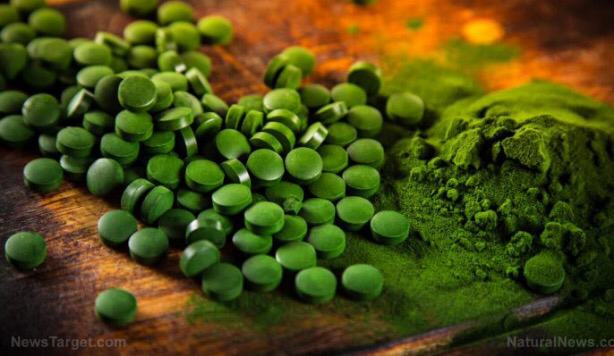
Chlorella – Getting Indepth on Algae 


Welcome back to the What Supp Blog! In today’s post we will be returning to a fave topic; natural supplements. This post will specifically be about that superfood pond scum algae extraordinaire; Chlorella 

Chlorella is a freshwater single-celled algae that is found native to Taiwan and Japan. It is also one of the oldest known species on the planet and that has the unique ability to reproduce multiple times a day, making it a genuine sustainable nutrient source.

Chlorella’s rich green color comes from a high concentration of chlorophyll. Chlorella contains up to 7% natural chlorophyll, the highest percentage of any known plant on earth. Plant chlorophyll is one of nature’s most powerful cleansing agents.

Additionally, this superfood is rich with phytonutrients, vitamins, minerals, enzymes and antioxidants. These include all 8 essential amino acids, lipoic acid, beta-carotene, potassium, zinc, iron , phosphorous, magnesium and the other B-complex vitamins such as B1, B2, B6 and B7. 

In fact a 1-ounce (3 tbsp) serving of chlorella contains the following of your Recommend Daily Allowance, (RDA):

Protein—16g

Vitamin A—287% RDA

Vitamin B2—71% RDA

Vitamin B3—33% RDA

Iron—202% RDA

Magnesium—22% RDA

Zinc—133% RDA

To put into perspective the nutrient content of this superfood, a 30 gram serving of Chlorella has 5 times the chlorophyll content of kale and more iron than liver, boom! 

Growth, Repair & CGF

The nutrition stats go on – 60% of Chlorella is high quality protein that is easy to assimilate. It supports the body’s tissues, metabolism and immune system with nucleic acids and key RNA and DNA factors that help protect every cell.  

Chlorella is abundant in Chlorella Growth Factor (CGF) – Chlorella Growth Factor is produced during photosynthesis, and is the reason why chlorella can multiply by 4 every 20-24 hours. This famous key factor can help speed your body’s rejuvenation and restoration naturally, making Chlorella ideal post workout. Of course, the tissue repair CGF promotes is also required to reduce inflammation in the body and wound healing. 

 Growth Factor contains nucleic acids DNA and RNA, which are responsible for cellular regeneration. As we get older, the body produces less DNA and RNA, which is said to be a key factor in rapid aging and leaves us more prone to illness and disease. When we receive RNA and DNA from our diets, we are providing health to our body for cellular repair and regeneration
 
Ageing is linked to the decline in nucleic acid production by our bodies. By receiving nucleic acid from Chlorella Growth Factor, the body is able to utilize the RNA and DNA to work against the aging process by promoting cellular regeneration.

CGF has the ability to increase energy levels because of its nucleic acid content, which is absorbed in the body’s cells. This promotes an increase in energy because receiving and absorbing nucleic acid from an external food source reduces the amount of work your body must do internally to synthesize RNA and DNA. This mechanism works to conserve your body’s energy, making CGF a highly effective energy boosting supplement.

CGF contains a group of polysaccharides, or sugar molecules, called beta-glucans, which have been studied for their positive impact on the immune system. Although beta-glucans are still being researched for the role they play in the body, it’s suggested they are most efficient in boosting the immune system to protect against harmful pathogens.

Immune System Builder

Chlorella is an oxygen based algae. Oxygen is known to kill bacteria and viruses so when taking chlorella, it goes to work killing bacteria in your body. This is simultaneously while its high concentration of antioxidants fight free radicals and high concentration of chlorophyll sweeps through your immune system to give it a boost. 

A study published in the journal Clinical Laboratory revealed that chlorella greatly reduces oxidative stress, that can be caused from pollution, stress and a poor diet. 

The reason chlorella is so effective at giving you younger looking skin for example, is because it naturally increases levels of vitamin A, vitamin C and glutathione in your body. This I turn eliminates free-radicals (your body’s waste byproduct) and protects your cells.

Chlorella further benefits you by helping to regulate hormones, helping with metabolism, improving circulation, and promoting higher levels of energy. 
Chlorella’s impact on the functioning of the immune system to attack and destroy cancer promoting cells, as well as the detoxification that will be detailed, demonstrate its significance in both cancer prevention and treatment. 

Detox

One of chlorella’s most significant health benefits is its capacity to detoxify the body of heavy metals and waste. It works by wrapping itself around even the most stubborn toxins residing in our bodies, such as lead, cadmium, mercury and uranium, and keeps them from being reabsorbed. Regular consumption of chlorella can even help keep heavy metals from accumulating in our bodies’ soft tissues and organs in the first place. 

Chlorella is comprised of a fibrous, indigestible outer shell (20%) and its inner nutrients (80%). It is the fibrous material which has been proven to actually bind with the heavy metals and pesticides which can accumulate in our bodies. 

Furthermore, Chlorella, with its high content of chlorophyll, helps keep the main detoxification system of the body, the cytochrome P-450 detoxification enzyme of the liver, working efficiently. With this system working efficiently, the liver is able to neutralize incoming toxins from the gut. 

This has particular significance for those who are undertaking radiation or chemotherapy as Chlorella’s high levels of chlorophyll have been shown to protect the body against ultraviolet radiation treatments while removing radioactive particles from the body.

Gut health

A clean bloodstream, with an abundance of red blood cells to carry oxygen, is necessary for a strong natural defense system. Chlorella’s cleansing action on the bowel and other elimination channels, as well as its protection of the liver, helps keep the blood clean. Clean blood insures that metabolic wastes are efficiently carried away from the tissues. 

Chlorella also stimulates the growth of friendly aerobic bacteria which has a profound, beneficial effect on overall bowel health. Furthermore, chlorella’s cell walls act to absorb toxic compounds within the intestines and help promote normal peristalsis – a series of wave-like muscle contractions that moves food to different processing stations in the digestive tract. 

Weight Loss 

 An interesting effect of Chlorella is its impact on weight loss. In a study published in the Journal of Medicinal Food, researchers state, “Chlorella intake resulted in noticeable reductions in body fat percentage, serum total cholesterol, and fasting blood glucose levels.” 

In a study published the Journal of Medicinal Food, researchers found that doses of 8,000 mg of chlorella per day (divided into 2 doses), helps lower cholesterol and blood glucose levels.

Researchers observed first a decline in cholesterol levels, and then the improvement in blood glucose. They believe that chlorella activates a number of genes at the cellular level that improve insulin sensitivity, encouraging a healthy balance. 

Chlorella has more to offer in the completion of this cycle. As our bodies lose weight, toxins are released, and can be reabsorbed. It is important to flush these toxins out of our system as quickly as possible. Chlorella’s ability to surround the toxins and heavy metals resident in our bodies helps facilitate elimination and prevent reabsorption.

Buyer Beware

There are two kinds of Chlorella on the market; Vulgaris and Pyrenoidosa. There is also Yaeyama, a Vulgaris subspecies from Japan. Vulgaris which is easier to digest, and Pyrenoidosa which binds heavy metals more effectively and thus, superior detoxifying properties. The higher digestibility, the lower binding capacity and vice versa. If a brand doesn’t state which kind it is, they are hiding something.

When selecting your Chlorella to buy, there are some key points to keep in mind. Firstly, as Chlorella has a very hard outer shell, making it almost completely indigestible to humans, supplemental forms undergo a special process that cracks this outer shell for enhanced digestibility. So when purchasing a chlorella supplement make sure to buy “cracked cell wall chlorella” because they are completely absorbable.

This process of cracking Chlorella is all important when deciding which brand you are going to choose as it all hinges on the bioavailability of the nutrient content and exactly what nutrient content is left intact by the time these little greeny morsels hit your tongue. 

 So when doing your research for brands to try of Chlorella, ask sellers to provide information about what process they use. You’ll find the methods to crack the cell wall below but never buy “broken cell wall” chlorella because it means it´s been ground up cheaply meaning the Chlorella oxidises and moulds.

Ok, so these are the best methods for making chlorella digestible. If we don´t count chemical and extreme heat methods, we would have to choose between:

Dyno-Mill

Dyno-Mill process uses small glass beads spun together with the chlorella to ground it down. Unfortunately, chlorella can get contaminated from lead from the glass beads, especially if the glass breaks. This process destroys the cells membrane, chloroplast, mitochondria and nucleus. Chlorella´s shell life is also decreased by this method.

On a side note, the most popular method for cracking the cell wall is milling or grinding. This pulverises the chlorella cell and makes it easy to digest, but it smashes the cell open and exposes the unprotected nutrients (so they start to oxidise).

Pressure-Release

Pressure-Release processing is a chamber with sudden and extreme changes in pressure where nothing gets in contact with the chlorella. Proponents of this method claim that this process reduces significantly oxidation and nutrient degradation.

Spray Drying 

Spray dried resulted in spherical particles of thousands of chlorella cells with a hole in the center. They explain spray drying is done with hot gas (130-135ºC). If the heat or the time heated increased, the spherical form would collapse.

Sound Vibration

As suggested, the cell walls are cracked open by high frequency sound waves to vibrate the chlorella cells. This intense vibration causes the cell wall to crack without collapsing them. Like an egg shell with cracks. This way, the nutrients remain intact inside the cell walls. 

 I would stay with either Pressure Release or Sound Vibration. I prefer chlorella not to oxidise or be heated at high temperatures as this could well impact on its nutrient content. 

Country of origin

So from where is also important as Chlorella is so super absorbent, meaning if it’s grown in polluted surroundings, it will absorb these toxins. Chlorella from China appears to be the most contaminated. Certified Organic doesn´t mean “free from contamination”. Taiwan has the cleanest, but also most expensive. Japan has had some mixed reviews but it seems that government policy is in place to ensure quality control.

Korean and German Chlorella are two other options. Many of these though are fermented in tanks and never see the light of day. The producers and promoters of these kinds say this is the only way to ensure purity. But, if chlorella never sees the sun, it doesn´t develop chlorophyll and reportedly has no binding capacity. 

Chlorella Side Effects and Precautions

And just finally! Chlorella can cause side effects in some individuals. Some of the symptoms include swelling of the face or tongue sensitivity to sunlight, digestive upset, acne, fatigue, lethargy, headaches, vertigo, and shaking.

The majority of these chlorella side effects and symptoms however are typical to any detoxification program.

However, individuals that are allergic to iodine and those that have been prescribed Coumadin or Warfarin should consult with their physician prior to using chlorella.

Wowzers, well that has been a pretty detailed account. Who would think pond scum could be so in-depth. Till next time people! 

The Vitamin Breakdown! – Vitamin B1 

Welcome back to the vitamin breakdown series! In these short posts, the plan is to work our way through the vitamin alphabet, breaking down why you need what in your diet, and where you can get it. Today’s post is the start of the B vitamins, with vitamin B 1 coming up for closer inspection.

B – vitamins

Initially lets explore what B vitamins are, prior to breaking down B 1. B vitamins are a class of water-soluble vitamins . Water-soluble vitamins (as oppose to fat-soluble vitamins) are not stored in the body. The body absorbs what it needs and then it usually excretes the excess in your urine.

Due to the fact that they cannot be stored, the body needs a continuous supply of water-soluble vitamins through a steady daily intake. This can be through the foods we eat, the supplements we take, or from a combination of both.

The What

B vitamins are a crucial to your body and play an important role in cell metabolism. Cellular metabolism refers to the chemical reactions that occur in cells that capture and release energy in order to sustain life.

Though B vitamins share similar names, research shows that they are chemically distinct vitamins that often coexist in the same foods. In general, dietary supplements containing all eight are referred to as a vitamin B complex. Each B vitamin is either a cofactor (generally a coenzyme) for key metabolic processes, or is a precursor needed to make one, basically meaning they play a supporting role in the body’s repair and growth.

Vitamin B 1

Vitamin B1, also know as thiamine, also known as thiamin, is a vitamin found in food and used as a dietary supplement. As people are unable to make it, thiamine is termed an essential nutrient. This is because it’s needed for all tissues in the body to function properly.

B1 acts as a Coenzyme. The body needs thiamine specifically to make adenosine triphosphate (ATP). This is a molecule that transports energy within cells. The heart also relies on thiamine to function properly.

Thiamine works with other B-group vitamins to help break down and metabolise ,(or basically release what needed from), food, such carbohydrates for energy and amino acids for repair. It also serves to break down alcohol and plays a vital role in the transmission of nerve impulses by keeping nerves healthy.

As a supplement, thiamine is used to treat and prevent thiamine deficiency and the disorders that result from it. A thiamine deficiency can impact many different functions of your body, including those of the nervous system, heart and brain.

The most common deficiency symptoms include:

Chronic fatigue

Gut issues

Muscle wasting

Neurological degeneration

Thiamine also plays a role in healthy liver function and is needed for healthy skin, eyes, hair, and nails. Lack of thiamine can cause confusion in those battling dementia and may help reduce the risk of cataracts by working together with omega-3 and omega-6 fats to improve eye health.

Thankfully deficiency is rare but can be seen in conditions such as alcoholism, Crohn’s disease and anorexia.

Vitamin B1 supplements can help people who have an actual deficiency. Low levels can cause tingling in the fingers and toes, fatigue, poor concentration, memory problems, mental confusion, poor or lack of appetite and balance problems.

There is some evidence that thiamine supplementation might help prevent kidney disease in those with type 2 diabetes, however more research is needed.

Where to get it

The NHS says that the adult recommended daily intake of vitamin B1 is 1mg a day for men and 0.8mg a day for women. As vitamin B1 cannot be stored in the body, it should be provided daily through a varied and balanced healthy diet.

Most people can get all the thiamine they need from food. There are no real risk factors associated with thiamine consumption so in light of their importance to energy production, crack on and stock up!

You can find thiamine in:

– Fresh vegetables, especially Asparagus, Brussel sprouts and Spinach

– Crimini mushrooms

– Legumes such as beans, peas, lentils and peanuts

– Nuts and seeds, especially Sesame and Sunflower Seeds and Pistachios

– Fresh and dried fruit

– Eggs

– Wholegrain breads, rice and fortified breakfast cereals

– Ground flaxseed

– Liver and meat such as pork and poultry

– Fish such as Herring

– Yeast and yeast products

Vitamin B1 supplements  usually comes in capsules or tablets. It is usually available in combination with other types of vitamin B or in vitamin B complex supplements as well as multivitamin products.

Be Aware

Certain foods and dietary practices can cancel out the body’s usage of thiamine and lead to deficiency.

These include:

– Drinking lots of coffee or tea, even decaffeinated

– Chewing tea leaves and betel nuts

– Regularly eating raw fish and shellfish

When it comes to cooking, be aware that water-soluble vitamins such as B1 are unlike fat-soluble vitamins.
Water soluble vitamins can be destroyed by heat or by being exposed to the air. They can also be lost in water used for cooking, this means that by cooking foods, especially by boiling them, we lose many of the vitamins. The best way to keep as many of the water-soluble vitamins as possible is to steam or grill foods.

Alrighty, well thanks for sticking through to the end. We’ll continue with the B vitamins in the next post. If you liked the post, please comment and share! Till next time.

Cheap Eat Nutrition # 29 – Nutritious whole foods on a budget – Keto Pancakes 

Welcome back to the cheap eat recipe series! It’s been a little while since I posted a new recipe and that may have something to do with me going pretty strict Ketogenic through January. Not that there isn’t many a flavourful keto recipe to follow, but more as my trial and errors have meant most meals have centred around cheese and fatty meat, which isn’t the most inspiring!

Anyways, back to the important stuff! So I do love a good pancake recipe and these ones are especially good. The keto pancakes take a few ingredients but once they’re in your cupboard, I guarantee you’ll be heading back to make them again and again. 

Ingredients 

(Serves 2)

– 1/2 cup almond flour

– 2 tsp coconut flour 

– 2/16 tsp stevia (If not watching the carbs to closely this could be substituted with honey, maple syrup or coconut palm sugar)

– 1/2 tsp of cinnamon 

– 1/2 tsp of baking powder 

– 1 pinch salt 

– 2 eggs

– 1 tbsp coconut oil 

– 2 tbsp almond milk (can be substituted for cream/full fat cows milk/coconut milk)

Instructions 

– Sift the almond, coconut, cinnamon, salt and backing powder together in a bowel

– Crack the eggs and whisk up. Melt the coconut oil and pour into the egg and whisk again.

– Combine mixtures and add milk. You may wish to add more depending on texture of mixture. Don’t let the mixture be too runny.

– Melt some half a tsp of coconut oil in a pan on a low to medium heat. Place a palm sized amount of the mixture into the pan. 

– Leave to cook for 2 minutes or until bubbles can be seen coming through, then turn and cook for around 2 minutes on the other side. 

– Try mixing it up and adding blueberries to the mix next time!