Nootropics – What they are, what to look for, and the Brainzyme review 


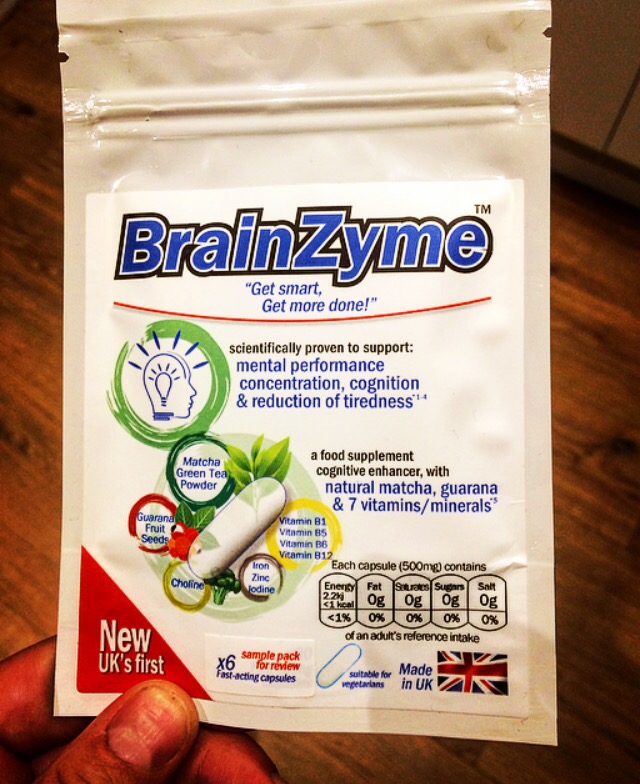
  I’ve been meaning to write a post regarding nootropics for some time. This was however prompted to be done sooner rather than later by the kind people at Brainzyme reaching out and sending me a couple of free samples. 

In this post I will breakdown the key ingredients (as I see it) within Brainzyme and detail why they are useful in any nootropic stack on the market.

For those who are unaware, nootropics, also referred to as smart drugs or cognitive enhancers, are anything that enhances cognitive functioning. This can be quite a spectrum and does indeed include old faithful friends nicotine and caffeine! 

Nootropics act to focus your mind and aid you accessing memory, maintaining concentration, being creative and honing focus. As most of the nootropics supplements that are sold combine a number of cognitive enhancing ingredients, they will often be referred to as nootropic ‘stacks’.

Choline 

The magic ingredient in many a store bought nootropic is choline. This is what I looked out for and dualy noticed on the Brainzyme packet as soon as I opened it.

Choline is a miconutrient that’s important for liver function, normal brain development, nerve function, muscle movement, supporting energy levels and maintaining a healthy metabolism. 

Choline is generally classed with the B vitamin complex  and plays a part in several important processes within the body that are carried out hundreds of times, every single day. It is crucial to maintaining health at every age and is used to treat and prevent an amazing variety of physical diseases and disorders, including asthma, hepatitis, and even cancer. 

Choline is present in the form of phosphatidycholine, a compound that makes up the structural component of fat, and thus can be found in different types of foods that naturally contain certain fats, such as eggs, beef and even cruciferous vegetables. 

In addition to natural synthesis and dietary sources, choline is also available in supplement form. Choline supplements vary dramatically in strength and quality. The most common choline supplement, lecithin, is also the weakest form of choline and may not actually enhance cognitive abilities although  does serve other health benefits to the body. 

For nootropic users, choline is particularly important because of its ability to enhance memory, focus, and cognitive function, both alone and in combination with other supplements. It’s the precursor to acetylcholine, the neurotransmitter most strongly associated with memory, learning, and overall cognitive function, and is well known as a brain booster in its own right. 

For nootropic purposes we want to ensure that our brain has the optimal amounts of the neurotransmitter acetylcholine. Choline from natural sources can help with this but an alternative option are acetylcholine precursors that are more efficient in raising acetylcholine neurotransmitter levels such as CDP choline, Alpha GPC, or centrophenoxine. All three are potent and reliable supplements that can raise your neurotransmitter levels with different strong points and different interactions with other nootropics. 

Matcha

The other ingredients within Brainzyme that peaked my interest was matcha green tea powder. One of the major health benefits of matcha tea is that it delivers a mega dose of antioxidants, helping to promote both energy and vitality. 

Matcha is packed full of the antioxidant Epigallocatechin Gallate (EGCG). One of the first things to know about EGCG is that it interferes with oxidation, and therefore can help minimise oxidative damage in cells. Oxidative damage is known to be a contributing factor in a number of illnesses, notably cancer. 

When considering the nootropic aspect of matcha however, it’s important to consider its ability to calm the mind, relax the body, enhance mood and aid in concentration. This probably comes down to the L-theanine levels it contains which boasts a number of health benefits including increasing your energy, promoting relaxation, improving your mood and helping you concentration. 

Consumption of L-theanine increases levels of Ɣ-Aminobutyric acid (GABA) which acts as a calming neurotransmitter, reducing excitability throughout the nervous system and promoting relaxation in the body. L- theanine also works incredibly well alongside caffeine as it can serve to calm the giters whilst maintaining the focus. 

Guarana

The final ingredient of intrigue is guarana seed blend. As a dietary supplement, guarana is an effective stimulant. Its seeds contain about twice the concentration of caffeine found in coffee seeds (about 2–4.5% caffeine in guarana seeds compared to 1–2% for coffee seeds).

While the active ingredient in the guarana plant (guaranine) is chemically identical to caffeine, it has one huge difference. In its natural form, it is bound to the fiber of the guarana seeds. That means its stimulating component is released slowly, giving you up to five hours of refreshing vitality. However, it is important to note that concentrated guarana extract as used in most energy drinks has had most of the fiber removed and functions like purified caffeine. 

Conclusion 

In regards to the Brainzyme product, my final verdict was mixed. I was sent the Brainzyme Original as a tester. I was a little disappointed to note that the quantities of choline, matcha and guarana were all missed on the label. This is in contrast to Brainzyme’s two more expensive products, Brainzyme professional and Brainzyme elite. Both of these products also contained other ingredients that are also promising. 

I did feel some stimulation when taking three capsules whilst fasted. The focus and creativity aspect that I’ve experienced from other products wasn’t quite there but I was definitely more switched on. This has also got to be taken in the context of the Brainzyme original being the cheapest product they deliver.

In conclusion Brainzyme original is not a bad option as an entry level nootropic. Although the choline bitartrate in Brainzyme will have a therapeutic impact on liver function for instance, it will not likely add to the nootropic qualities. This means the cognitive enhancing effects will likely be coming from the guaranine and matcha. Saying this there are also a number of other vitamins and minerals present which should act to provide energy and stimulation. 

If you are looking for a nootropic stack to truly enhance full cognitive functioning such as creativity, focus, and memory, you’re probably best seeking a product that has CDP choline, Alpha GPC, or centrophenoxine. However Brainzyme elite and professional could also be worth a shot for their other ingredients that offer more bang for your buck. 

I’d just lastly like to say a big thank you to folks at Brainzyme and wish them well, it’s great to see a UK based product pushing things forward in the biohacking world! 

Snack Hack # 12 – Having a Gratitude Practice 

Welcome back to Snack Hacks. This series aims to bring a variety of physiological and phycological ideas, tips and tricks to holistically help build you from the inside out.

Today’s hack is looking at the virtue that is gratitude. Gratitude, (thank you Wikipedia), is defined as the quality of being thankful; readiness to show appreciation for, and to return kindness. 

You can see the notion of gratitude throughout history, interwoven especially with religion. Practicing gratitude however can be completely secular and in this modern and hectic world, can play a big part in finding some peace and happiness. 

Ok ok, I accept an element of cringe may of made its way into the above paragraph, but it appears research may just be backing up the power of gratitude. 

This post will look at just some of the benefits that have been credited to a gratitude practice, and look to finish in showing you some simple ways to implement gratitude into your daily routine.

Be happy 

Research shows that our thoughts have the power to shape our brains. The more conscious we are about perceiving an experience as being positive the more this perception will generalize to other parts of the brain. 

In 2007, Robert Emmons began researching gratitude to see its impact psychologically. He found that expressing gratitude improves mental, physical and relational well-being. Being grateful also impacts the overall experience of happiness, and these effects tend to be long-lasting.

The phycologist Rick Hanson adds to this, explaining that negative experiences are like Velcro and tend to stick in our minds, whereas positive experiences are like sticky tape and more readily slip away. We therefore must actively work to integrate positive experiences into the brain in order for the positive to ‘stick’ and the beneficial effects to remain. 

Our memories are not set in stone. Experiencing gratitude in the present makes us more likely to remember positive memories,and actually transforms some of our neutral or even negative memories into positive ones. In one study, putting people into a grateful mood helped them find closure of upsetting open memories. During these experiences, participants were more likely to recall positive aspects of the memory than usual, and some of the negative and neutral aspects were transformed into positives.

The completing of a five-minute a day gratitude journal for example has been shown in another study to increase your long-term well-being by more than 10 % over a 6 month period. That’s the same impact as doubling your income!

Building bridges 

Gratitude generates social capital, or rather networks of people in and around your community, work and social circles. In two studies with 243 total participants, those who were 10% more grateful than average had 17.5% more social capital.

Gratitude makes us nicer, more trusting, more social, and more appreciative. As a result, it helps us make more friends, deepen our existing relationships, and help better connect with partners.

Multiple studies have shown that gratitude induces pro-social behavior. Keeping a gratitude journal for example has been suggested through research to make you more likely to help others with their problems and makes you more likely to offer them emotional support.

Spiritual Enlightenment? 

Gratitude reduces feelings of envy, makes our memories happier, lets us experience good feelings, and helps us bounce back from stress.

Gratitude is strongly correlated with optimism. Optimism in turn can make us happier, improve our health, and has been shown to increase lifespan by as much as a few years.

Interestingly there is a correlation between gratitude and reducing materialism. Materialism is strongly correlated with reduced well-being and increased rates of mental disorder. 

Now I for one am not shy to indulge in a little needless spending here and there. The problem with materialism however is that there is evidence to show it makes people feel less competent, reduces feelings of relatedness and gratitude, reduces their ability to appreciate and enjoy the good in life, generates negative emotions, and makes them more self-centered. 

It stands to reason though that a gratitude practice can help levitate the pull of materialism as the focus is on what is already in place as opposed to the accumulating of more to bring happiness. 

Healthy mind / healthy body

Gratitude has been seen to improve and increase sleep quality, reducing the time required to fall asleep, and increases sleep duration. It appears obvious, but nurturing your mind to thinking about a few things to be grateful for the day can induce the parasympathetic rest and digest response, therefore helping to unwind and get off to sleep. 

Gratitude is a positive emotion and as such has been linked to better coping & management of terminal conditions like cancer and HIV, faster recovery from certain medical procedures, and positive changes in immune system functioning. 

In fact, some recent science shows just that those who engage in gratitude practices have been shown to feel less pain, go to the doctor less often, have lower blood pressure, and be less likely to develop a mental disorder.

The how

Ok, so we’ve explored (and only really scraped the surface) on why gratitude, or specifically a gratitude practice, can be so powerful to implement. So here are some tips to get you going. 

Research shows that recording experiences for which you are grateful for only two consecutive weeks has lasting positive effects sustained for up to six months. In fact, the American Greetings Company launched a project in which they encouraged people to build their gratitude quotient by simply building a ThankList for those aspects of life that bring joy. 

Keep your list simple to maybe one to two items per day maximum. The key however is to be specific as possible in your recording. You need to internalise every last feeling for that experience/person/gift/etc as you record it. 

Another powerful way to build positivity is by practicing a gratitude meditation. This method helps to train the mind for greater positivity, gratitude and happiness. Practice this meditation for a few minutes at a time. The more you do this the more you create new neural pathways and alter existing ones as we train the brain to develop a more grateful outlook. This exercise taps into the brains ability to be malleable or rather it’s neuroplasticity.

Here is an example of a gratitude meditation that need only take two to five minutes to practice. I suggest you practice this once or twice daily to maximize the effects. You will come to enjoy this time and it can be woven into the busiest of schedules.

Gratitude Meditation

– Set your phone timer between 2-5 minutes. 

– Get into a comfortable seated position. 

– Relax with eyes closed and feel grounded seated in your chair.

– Take a few abdominal breaths, relaxing the mind and body. 

– Think about “What am I really grateful for?”

– Take whatever comes to mind first and build on that thought. 

– Expand upon the story of this positive experience or memory, bring to mind as much detail and specifics as you can 

– Savor this experience and allow the feeling and thoughts to sink down and internalise into the body.

– Keep that experience in mind longer than usual to deeply embed positivity into the brain.

– If the timer is still going, start the process again with another memory or experience. You shouldn’t have more than three in the allocated five minutes. 

Thank you once again for reading this entry in the snack hack series. As ever please give me a like, comment and share! Till next time. 

Cheap Eat Nutrition # 23 – Nutritious whole foods, paleo & keto friendly  – Bacon & Brussel Sprouts 

 
Welcome Back to the cheap eat nutrition recipe series! These recipes aim to offer nutritious and affordable tasty options that are affordable. The ethos here is purely that nutrition should be something that is open and accessible to all.

So today’s recipe centres on the Christmas dinner table terror, the humble Brussel sprout. If like me, the mere thought of a over boiled, mushy sprout leaves you with tingling fears of dread, fear not, change is coming..

Brussel sprouts are a member of the cruciferous vegetable family and as such, are absolute power houses of nutrition. Have a read here of a previous blog post I did about these superstar veg;

http://whatsuppblogblog.com/2017/05/07/the-powerhouse-veg/

Ok, let’s crack on. Sprouts and bacon is an extremely tasty and nutritious side or meal in its own right. The bacon and butter offer a sustaining and healthy portion of fat and protein, whilst the onions and sprouts are bursting with fiber and various micronutrients. So in short this meal will not spike your blood sugars or bloat you out but will provide energy and satisfy a hungry tummy.

Total preparation for this one is around 25 minutes. 

Ingredients: 

(Serves 1 – 2)

– 200g Brussel sprouts 

– 4 rashes of bacon 

– 1 onion 

– 1 tsp. of thyme

– 2 tablespoons of butter

– Salt & Pepper to flavour 

Method:

– Wash, peal and halve the sprouts 

– Chop onion up into small pieces 

– Gently heat 1 tablespoons of butter into skillet until melted

– Add bacon and cook until brown. Remove from pan, chop into small rough pieces and set aside

– Without removing any of the melted butter or bacon fat, add other tablespoon of butter to pan and melt

– Add chopped onions and sprouts to the low – medium heat. Cook until sprouts are golden brown. 

– Add bacon and thyme, tossing and mixing the ingredients 

– Add salt & pepper for flavour and serve immediately! 

As ever, if you’ve enjoyed this or any other post, please please comment, like and share! 

Snack Hack # 11 – Return of the Maca – The super South American root that brings energy & vitality 

Welcome back to snack hacks; simple bite size life hacks for you to get the most out of your human biology. 

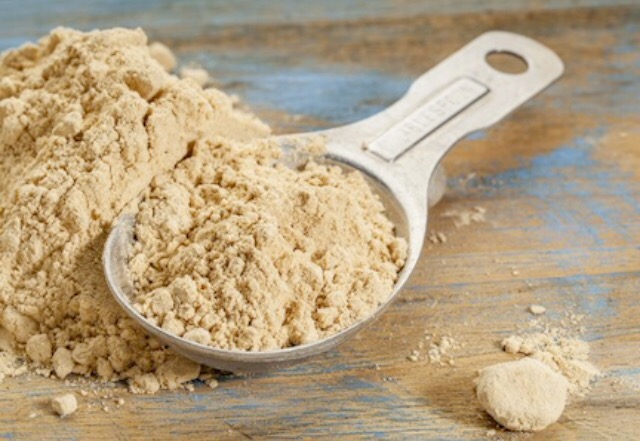
Today’s snack hack looks at The Maca root, also catchily known as lepidium meyenii. Maca is a member of the cruciferous family, like broccoli and cabbage, but due to it’s unique properties it considered one of the world’s natural ‘super foods’. 

Maca is grown high in the mountains of South America, mainly in high altitude regions of Peru. It is a distinct tasting root usually available in powder form. It is very rich in nutrients and actually has a higher calcium level than milk. 

The maca root benefits include a positive effect on hormone balance, energy levels, and a health booster. It is a supplement packed with minerals, fatty acids and vitamins. 

Maca root is widely known as an adaptogen, which balances the hormones and the endocrine system within the body. Adaptogens are a unique class of healing plants as they help balance, restore and protect the body. An adaptogen doesn’t have a specific action, It helps you respond to any influence or stressor, normalising your physiological functions. 

Pants which are adaptogens harness their strength from phytonutrients. Maca is a rich source of phytonutrients. Phytonutrients are the compounds in plants that fight off fungi and bugs but when digested by humans act as an antioxidant and have anti-inflammatory qualities. Should you want to read more about the superpowers of especially cruciferous veg, check out my earlier piece titled ‘The Powerhouse Veg’, (http://whatsuppblogblog.com/2017/05/07/the-powerhouse-veg/)

Another unique fact about maca root is that historically it has been considered a very potent aphrodisiac and a traditional fertility secret of populations living in the Andes.

Maca reportedly often makes people feel more ‘alive’, energetic, and leaves them with a sense of well-being, all of which are thought to be due to its ability to restore proper hormone balance and elevate the body’s ‘feel good’ endorphins. 

Sexual (& Emotional) Healing 

Although maca itself contains no actual hormones, most of maca root’s benefits are attributed to its ability to help restore sexual, endocrine (hormonal), and mental health. Here is how maca may be able to benefit both men and women:

A 2008 study from the journal Menopause showed for the female participants that the improvement in mood led to increased sexual libido. The same study showed maca benefits had positive results on boosting menopausal women’s moods and decreasing levels of anxiety and depression.

A separate study done in 2008 by CNS Neuroscience & Therapeutics showed that maca had the ability to increase sexual libido in women, likely due to its positive effects on serotonin levels, another ‘feel good’ hormone. 

Maca is believed to restore women’s hormonal balance by supporting the endocrine system and aiding in the regulation of healthy adrenal and thyroid hormone production. 

In regards to the fellas, clinical studies showed serum levels of testosterone were not shown to be affected by maca. Black maca however, has been shown to have positive effects on sperm production, more than both yellow maca and red maca.

In other studies, maca has also been shown to improve sperm production, mobility, and volume, which are all important factors of increasing fertility

Nutrition Facts

Maca root powder is comprised of approximately 18% protein, 76.5% carbohydrates, 5% fat, and 8.5% fiber (indigestible carbohydrates). 

As mentioned, Maca provides a powerful source of nutrition including:

– Over 20 amino acids, including 8 essential amino acids

– 20 free-form fatty acids (such as lauric, linolenic, palmitic acid, oleic , and steric acid)

– Vitamins B-1, B-2, C and E

– Calcium

– Magnesium

– Potassium

– Copper

– Zinc

– Manganese

-Phosphorus

– Selenium

– Sulphur

– Sodium

– Iron

There is no particular recommended serving size of maca according to experts, however most people feel best when starting with about 1 tablespoon daily (in powder form) and possibly working their way up to 2-3 tablespoons, spread throughout the day. 

I like to include a scoop in my morning bullet proof coffee. Although it will serve to break your fast and potentially impact your ketone production, it will give a healthy dose of prebiotics and nutrients first thing in the morning, not to mention an often well needed energy boost! 

One other quick tip before we depart, as maca can help increase energy and stamina, many people like to consume it before exercising so consider it in any home made pre work out formulas. 

 Ok, so we’ve had a pretty good look at maca and looked at its powerful effect on your well-being. Thanks as ever for reading, please do comment and share!