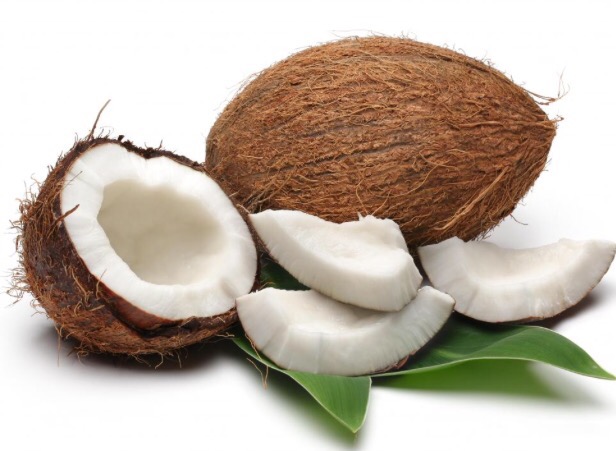
Welcome back to another actionable snack hacks. Today’s subject for expectation is the coconut. Long heralded for its tropical and fairground connections, it is also an incredibly nutritionally beneficial staple for a healthy lifestyle.
In this post we will explore some of the various nutritional qualities of the coconut and delve into what and how it can best help. There are an absolute massive amount of coconut products out there but this article will just focus on the three of them; the flesh or kernel of the coconut, coconut water and coconut oil.
The kernel
Coconut meat is high in healthy saturated fat, with decent amounts of protein and a low glycemic index. A cup of shredded, raw coconut meat contains 27 grams of fat, mostly saturated; 3 grams of protein; and 12 grams of carbohydrates, which is mostly fiber.
On a side note, the flesh can also be dried and ground into coconut flour, which can effectively replace traditional flours for baking or sauce thickening (much like other popular nut flours).
As can be seen, the low carbohydrate but high fat count makes it a good source of energy. The high fat count serves to satisfy and reduce hunger cravings whilst the low carbohydrate content results in having a minimal impact on your blood sugars, which we’ll delve into a bit later.
Coconut is a complete food rich in calories, vitamins, and minerals. A medium-sized nut carrying 400 g edible meat and some 30-150 ml of water may provide almost all the daily-required essential minerals, vitamins, and energy of an average-sized individual!
Although its meat is disproportionately high in saturated fats in comparison to other common edible nuts, coconut has many health promoting bioactive compounds. The kernel is also an excellent source of minerals such as copper, calcium, iron, manganese, magnesium, and zinc.
It is also a very good source of B-complex vitamins such as folates, riboflavin, niacin, thiamin, and pyridoxine. These vitamins are essential in the sense that the body requires them from external sources to replenish. Coconut meat and water contain a good amount of potassium also with 100 g of fresh meat contains 356 mg or 7.5% of daily required levels of potassium.
Coconut water
Coconut water is a pretty damn good choice in the hot sun or even post workout. The juice is packed with simple sugars, electrolytes, minerals which make it perfect to rehydrate the body and in instances of severe sweat loss, a better option than water.
Coconut also has bioactive compounds such as cytokinin. Research studies suggest in fact that cytokinins in coconut water showed significant anti-ageing, anti-carcinogenic, and anti-thrombotic effects on the body. Coconut water also contains enzymes such as acid phosphatase, catalase, dehydrogenase, peroxidase, polymerases, and more. Altogether, these enzymes aid extremely well in digestion and metabolism.
Coconut oil
Coconut oil is primarily saturated (over 90%), with the bulk of it coming from the lauric acid content. It is also incredibly heat-stable making it ideal for cooking.
The lauric acid increases good-HDL cholesterol levels in the blood. HDL is a high-density lipoprotein, which has beneficial effects on the coronary arteries by preventing blood vessel blockage.
The human body converts lauric acid into monolaurin which research has suggested can be effective in dealing with viruses. Lauric acid is also reportedly good for gut health so try to ensure your MCT oil contains it!
Although it gets a bad rap in some circles for its high saturated fat content, we know that such fats can offer many health benefits. For example, coconut oil has been found to help normalise blood lipids and protect against damage to the liver by alcohol and other toxins. It can play a role in preventing kidney and gall bladder diseases, and is associated with improved blood sugar and insulin control and therefore the prevention and management of diabetes. In addition, coconut oil has antiviral, antibacterial and anti-fungal properties that help boost immunity. This is because it contains antimicrobial lipids, lauric acid, capric acid and caprylic acid, which all have anti-fungal, antibacterial and antiviral properties. As mentioned earlier, these offer great value for gut health and aiding digestion.
On a more superficial level, meanwhile, coconut oil is thought to help strengthen mineral absorption, which is important for healthy teeth and bones, and can also help improve the condition and appearance of the scalp, hair and skin when ingested or topically applied.
Athletes, body builders and those who are dieting will often use coconut oil. The reason being that it contains less calories than other oils, its fat content is easily converted into energy, and it does not lead to accumulation of fat in the heart and arteries due to its HDL promoting qualities as highlighted earlier in the post.
So, as we’ve seen the humble coconut has a plethora of good reasons it deserves a space in your fridge, cupboard and fruit bowel. Please stay tuned for more recipes, hacks and information. As ever, if you like, please comment and share the post.
Till next time.



 Nutrition 4 Fighters