
The science of meditation – worth being mindful of?

Meditation practices such as mindfulness are gathering attention from far more than just those wanting to follow the teachings of the Buddha. 
From CEO big cheese city flyers to primary school children, MMA “cage fighters” to brain surgeons, the word is spreading. Meditation is no longer to be sniffed at..
Meditation is now thought of, rightly I believe, as a tool in its own right free of any religious or secular leanings. One such practice that emphasises this is mindfulness, arguably the best known practice of today’s phone app technology minded generation.
Research 

Research you say? Indeed. One study I read, “Alterations in Brain & Immune Function Produced by Mindfulness Meditation”, (Davidson et al, 2003), highlights two very potent benefits of meditation: the impact on the immune system and mindset. 
Without getting into the finer points, the study showed comparisons in a meditation group to none meditation group with brain activity. This was particularly elevated to a significant increase in the left sided anterior activation, a pattern previously associated with the generation of positive emotions.
Possibly more interestingly, the study groups were also given a shot of the influenza vaccine. Significant increases in the presence and diversity of antibodies were observed in the mediators, aiding their ability to fight off the negative symptoms.
On a side note, this was from an 8 week course of introduction mindfulness meditation to 20 odd year old students, not 20 odd year practitioners fresh from a Tibetan monastery.
Research coming out of the University of California, Los Angeles, (UCLA) in 2012 showed further compelling results. Scientists observing MRI scans found that mediators can strengthen the brain from meditation through reinforcing the neural pathways between brain cells. 
This was demonstrated by the observed meditators having higher levels of gyrification – the folding of the cerebral cortex as a result of growth. This may allow for faster processing of information. Gyrification is also suspected to be responsible for making and improving decisions as well as forming memories.
Need more? A 2009 study termed, “Long-term meditation is associated with increased grey matter density in the brain stem” (kind of sums it up nicely with the title), gives further to, well, stretch your grey matter around.
Neuroscientists used MRIs to compare the brains of meditators with non-meditators. The structural differences observed led the scientists to speculate that certain benefits, like improved cognitive, emotional, and immune responses, can be tied to this growth and its positive effects on breathing and heart rate.
The integrity of grey matter, which is a major player in the central nervous system, certainly appears to benefit from mediation. This is speculated to result in more positive emotions, the retention of emotional stability, and more mindful behaviour (heightened focus during day-to-day living). 
Lastly, mediation has also been shown to have neuroprotective attributes; it can diminish age-related effects on grey matter and reduce cognitive decline whilst lessening markers for risk of anxiety and depression. 
And as a final point, meditation has been linked to dramatic changes in electrical brain activity, namely increased Theta and Alpha brain wave activity, which is associated with wakeful and relaxed attention.
Sooo, meditation can make you literally smarter, happier, more resilient and present in your day to day activities. If you stuck that on the side of a supplement bottle you’d have ’em queuing up.
I personally have a daily practice that ranges from 10 – 25 minutes. It’s not always easy, but has certainly calmed the self chat and reactivity down, (mostly!). It quite simply gives the ego the super heavy kick up the arse it so deserves. 
I’d advise anyone to give one of the apps a go, (Calm and Headspace are two of the ones I’ve tried the free trials on and liked).
 I’d also recommend a book I read and enjoyed. It lays out an 8 week program and has an accompanying cd – 
“Mindfulness: A practical guide to finding peace in a frantic world” by Mark Williams. You can get it super cheap off Amazon and it really is a good introduction.

So, anyways, thanks for staying with me! As always, any questions or comments would be much appreciated – Peace out! 

Cheap eat nutrition # 8  Paleo/Gluten Free/low carb/high (healthy) fat – quick, easy and on a budget


Spicy coconut bone broth soup
Welcome back to cheap eat nutrition recipes! Done in conjunction with the what supp blog, these recipes look to bring quick and easy recipes to the people, without costing an arm and a leg!
As ever, these are low carb/paleo/keto inspired. If you see anything you like please do us a favour, leave a comment and share with a friend! 
So today’s delight is going to be getting a little more variety out of your bone broth. 
This recipe adds some flavour and variety to your bone broth stock base. The coconut cream also adds a small amount of potassium, iron and fibre. 
More importantly though it adds saturated fat. Please read my other article on the facts about fat to learn how the often demonised saturated fat is actually your friend.
Firstly, let’s run through a quick bone broth recipe; (note – there’s a more detailed flavoursome bone broth recipe but this is sufficient for the soup base)

Ingredients:

– Chicken carcass, wings, legs & thigh bones 

– 2 tbsp of Apple cider vinegar

– Water (preferably filtered)

– Slow cooker

– Pinch of salt & pepper
Method:

– Pre-heat oven to 220-240 and place carcass and bones in oven on tray for 20/25 mins

– Once bones are a deep brown, remove and place in slow cooker

– Add water, (this will depend on quantity of bones and size of carcass, but generally I like to fill the cooker about around two thirds to ensure carcass is completely submerged).

– Add apple cider vinegar, an important step as helps to draw the nutrients out of the bones.

– Season with salt & pepper and place on low heat for minimum 8 hours and maximum 24 hours.
Spicy coconut soup:
Ingredients:

– Bone broth stock

– 1/2 – 1 tin of unsweetened coconut cream

– 1 tbsp of coconut oil

– 1 tsp of chilli flakes

– 1/2 tsp of cinnamon 

– 1 tsp of paprika 

– 1 tsp of garam masala
Optional:

– 1/2 tsp of stevia 
Method:

– Melt coconut oil in pan on low to medium heat and stir in spices
– Add bone broth and coconut cream 

– Continue to stir until soup comes to a boil

– Serve with a squeeze of lime juice. If it requires some sweeting, try a pinch of stevia
Enjoy and let me know what you think! 


CBD, just a load of hot air?

cbdeeznuts


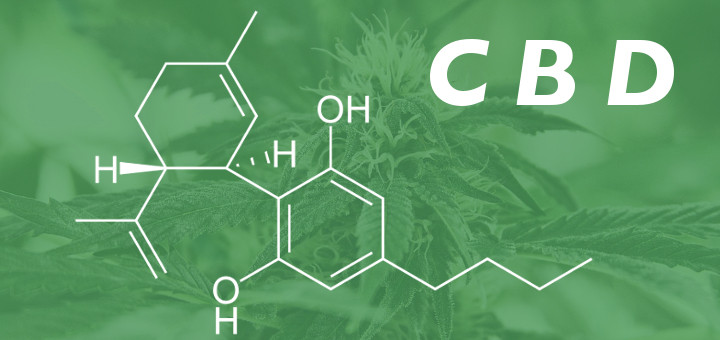
Ok, so here we have a little bit of a controversial one, (well, controversial for some). This short piece is going to look at the therapeutic aspects of cannabidiol, or more commonly known; CBD. Although there will be focus on how this helps specifically the athlete, much carries over for your every day Joe and Joanne.

CBD is a product of the hemp plant, which most will associate to Cannabis. Cannabis is an illegal drug in the UK, and as such, I would not promote its use.

Cannabis is heavy in the psychoactive cannabinoid named tetrahydrocannabinol, or THC. CBD however is a different kettle of fish.

CBD is not illegal, as contains none of the psychoactive properties from Cannabis. CBD and THC are both cannabinoids. THC is the psychoactive cannabinoid within cannabis which delivers the “stoned”/ ”high” effect.

Hemp however is not high (pun intended) in THC, with the CBD cannabinoid present in a far higher ratio.

CBD is getting a bit more exposure now in the sporting world. For example, after his recent loss to McGregor, Nick Diaz was seen to be chugging, sorry ” vaping ” , on a CBD vaporiser.

How the hell does this stuff work then? Enter the Endocannabinoid system (ECS).

The ECS is one of science’s newest and most exciting discoveries. The ECS regulates relaxation, eating, sleeping, certain inflammation responses and even cognitive function. Within a nutshell, your ECS is responsible for making sure your entire body is working optimally – no small task!

The ECS is a group of endogenous cannabinoid receptors located throughout the central and peripheral nervous systems and in the mammalian brain. The mammalian brain is the primary centre in your noggin for the regulation and control of bodily activities, receiving and interpreting sensory impulses, and transmitting information to the muscles and body organs. It is also the seat of consciousness, thought, memory, and emotion.

Anyways, within the ECS there are two types of cannabinoid receptors found throughout the body (CB1 and CB2), but they are most abundant in the brain and immune system respectively. This system consists of a series of receptors that are configured only to accept cannabinoids, especially THC and CBD. This basically means the body is set up specifically to use these substances to effect the body in multiple holistic ways.

So we’ve heard how the body uses this bad boy but why is this substance associated with the often demonised cannabis, making waves for athletes? Let’s have a look at some of the key reasons that CBD should be given some serious consideration in your rest and recovery routine;

 Inflammation: CBD is extremely effective in managing inflammation post exercise. Cannabinoids are potent anti-inflammatory agents and they exert their effects through induction of apoptosis, inhibition of cell proliferation, suppression of cytokine production and induction of T-regulatory cells (Tregs).

So I appreciate that that the explanation is a bit, well, wordy. Although after weight training, for example, some inflammation is necessary. However, CBD can help reduce symptoms from both acute and chronic inflammation. For example, a fighter getting banged up in a training camp whilst also consuming a sugary, heavy carbohydrate diet high Omega 6 oils.

Sleep and Relaxation: Cannabinoids are known to have both relaxing and sedative effects on users. In fact, the cannabinoid CBN can be useful in treating insomnia. Getting the required sleep each night is perhaps the most important aspect of being a healthy athlete; muscles grow and recover best during deep sleep.

Decreasing Nausea: Cannabinoids have anti-emetic effects, helping athletes reduce nausea during and after exercise. In fact, many studies have shown that for treating nausea and vomiting, cannoids are more effective than certain prescription medications.

I personally haven’t suffered greatly with nausea when training, (but hell yeah, I do and have gone hard!). It’s worth noting though that if you are experiencing a great deal of nausea whilst regularly using ibuprofen and/or aspirin to deal with injuries, this could be having a negative effect. These two readily bought pharmaceutical drugs are now being associated with (somewhat ironically) increasing inflammation and subsequently could be inducing nausea.

Reduction of Muscle Spasms: Cannabinoids are known to have antispasmodic properties. Some causes of muscle spasms in athletes include straining of a muscle, dehydration, trauma, and damage to nerves or to the spinal cord.

This reduction is worth keeping in mind when considering on getting the maximum out of stretching and yoga routines to aid recovery.

Perhaps the biggest and most exciting scientifically proved results that have been seen from CBD are the neuro-protective ones. Former Glory kickboxing welterweight champion Joseph Vallatini recently highlighted this on the Joe Rogan Experience pod cast.

Vallatini sadly needed to retire following his championship winning fight due to the impact of concussions which led him to not even be able to tolerate a phone charger light on in his darkened hospital room (!). What, according to Vallatini, helped to reduce the severity of these symptoms, was the use of CBD.

Unlike THC, which causes the brain chemistry to change and crave more of the drug itself, CBD actually protects the brain’s neurological function and improves healing speed after concussive injuries. While it may sound like a miracle cure, it’s actually very close.

So, sound like it might just be worth a look? High-quality CBD can be taken in a variety of safe and legal ways that do not include smoking cannabis. From CBD oils, to creams and vaporizers, it’s worth doing a bit of research to best meet your required primary need.

What can clearly be seen is that post-routine CBD use can be tremendously effective for reducing athletic-related injuries and improving the healing process so you can get back to the game. Whether in martial arts or any other athletic endeavors, CBD looks like its not going to go up and away in a puff of smoke anytime soon..


Week in Review #4 – The Art of Learning & Aligning myself.. 


Haven’t done one of these in a while so thought I’d share what have been a couple gems for me from the last week or so..
What am I listening to?
The Align Podcast. This podcast is the brain child of Aaron Alexander. Aaron is also the founder and owner of Align Therapy, and proponent of nutrition, functional movement and therapy.
I had never heard of the guy until I noticed he had had Kyle Kingsbury, (retired MMA/UFC fighter), on a recent show. 
I’ll be honest, I can find the “functional/primal/paleo movement” scene a tad cringe (although I subscribe to a lot of it!) but as a big fan of Klye, I tuned in.
Aaron is actually a really funny and likeable guy, who clearly doesn’t take himself to seriously. So I decided to check the back catalogue of episodes.. Wow! Literally a whose who from the cutting edge of nutrition, functional medicine, strength training and bio-hacking.
I’ve since tuned Ito to old episodes from Paul Chek, Grace Liu and Mark Sisson. It’s well worth a little look. 
What am I reading?
The art of Learning by Josh Waitzkin. I was introduced to Josh’s perspectives and insights into learning and the world through his incredibly enjoyable podcasts on Tim Ferris.
Josh is a former chess prodigy, Tai Chi push hands world champion and co-owner of Marcelo Garcia’s New York BJJ academy. 
I’m about half way through the book, and it is giving a fascinating look into Josh’s perspectives on learning, approaches to challenge and insights into his self development and self awareness. 
Check out Josh on his various Ferris podcasts also for plenty of learning gems.