Recipes, Research & Stratergies to Fuel your ambition
Author: Nutrition 4 Fighters
My name is Ross and I am a performance nutritionist with a particular interest in fuelling combat sports and martial arts. I've strived to learn and grow my knowledge base over time and this blog is the result! I have definitely changed my views over time on how to approach nutrition, but like most things in life, there's more than one way to do things.
Write, today’s recipe is a banger of a post gym session or recovery day treat. They can be cooked up, allowed to cool and taken as a post training snack or even better, served fresh and eaten any time of day or night!
The spice of your choosing is a particularly nice addition with a personal fave being nutmeg. Also, I’ve proposed using Whey protein. Whey protein has been proven to be the best choice for muscle protein synthesis, due in part to its high leucine content. However, do just use your protein powder of choice.
Ingredients:
2 large eggs
1/4 cup of whole oats
1 medium banana
1 scoop of protein powder
1 tbsp of Greek yogurt
1/2 tsp of baking powder
1 tsp of either nutmeg/cinnamon/ginger
Method:
Combine all ingredients in the blender and blend until smooth
On a low to medium heat, melted a small amount of oil in frying pan
Place palm sized portion of mixture into the pan. Allow to cook until bubbles start come fully through the mixture, (around 2/3 minutes)
Today’s recipe is another snack time treat and is a perfect option for a pre workout or rest day snack.
Almonds are one of the stand out ingredients in this recipe. They contain vitamin E, calcium, and iron. Vitamin E contains anti-oxidant properties and supports immune function. Calcium is important for maintaining the structure of teeth and bones and Iron helps in the production of certain hormones and getting oxygen to muscles.
There’s a good amount of healthy fats, some carbohydrate and protein.
Ingredients:
– 75g almond flour
– 120g oats
– 50g mixed nuts
– 3 tbsp unsweetened cacao powder
– 3 tbsp coconut oil
– 3 large eggs
– 3 tbsp of honey
Instructions:
– Preheat oven to 180 degrees
– Ground oats in processor and mix together with ground almonds and cacoa powder.
– Roughly chop nuts and add them to mixture.
– Combine coconut oil and honey in a bowel and place in microwave. Heat mixture until melted. Remove and whisk together.
– Crack and add eggs to honey and coconut oil mix. Whisk until the mixture is evenly combined and smooth with lumps.
– Add liquid mixture to dry mixture and mix thoroughly.
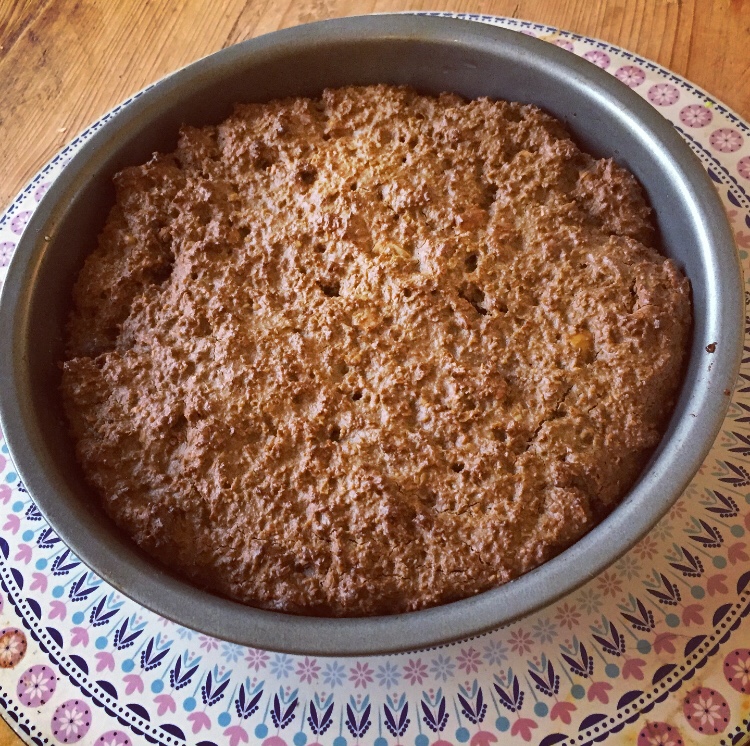
– Use small amount of coconut oil to grease the sides and bottom of a small cake or pie tray similar to that in the recipe picture.
– Place in the preheated oven for 45/50 minutes. Check the cake is cooked by piercing it with a knife, if it comes out clean, you’re good to go.
Today’s post is looking at another potent performance enhancing supplement. This one maybe doesn’t get the same recognition as other better known supplements but could certainly play a role in improving performance both in training and competition.
The supplement is dietary nitrates, often more commonly thought of as beetroot powder, pills and juice. Now although it’s not true beetroot is the only source of dietary nitrate, it’s derivatives are certainly the most well known for having an athletic enhancing effect.
Performance
As with the other supplements I’ve discussed and written about recently, it’s important to define what is meant by performance. Having done this, we can then determine whether the supplement can support improvements in your specific sporting event.
Historically, beetroot supplements have been better associated with endurance type events likely due to its association of being a vasodilator, meaning it works by expanding blood vessels and increasing blood flow.
Indeed, dietary nitrates have been seen to increase cerebral blood flow, (blood to the brain), Whilst also helping with lowering blood pressure. Interestingly with dietary nitrate supplementation, the higher blood pressure is seen at rest, the more it comes down by.
Dietary nitrates in forms such as concentrated beetroot juice, actually appear better for team sports than long lasting sub maximal endurance events. More specifically, the evidence suggests that impact is seen best in high intensity, intermittent exercises which involve repeated sprint efforts for exercise lasting 12-40 minutes in duration. These improvements are seen in regards to exercise time to exhaustion. The research is also equivalent for exercise tasks lasting under 12 minutes in duration.
Combat Sports
Although not usually the first supplement that springs to mind when talking with fighters or those training different combat sports, dietary nitrates could definitely be a good choice for heavy training sessions or indeed competition.
Dietary nitrate is proposed to work by enhancing the function of type 2 fast twitch muscle fibres, those essential for continued execution of striking and grappling techniques.
Dietary nitrates can work to change the oxygen cost of exercise and subsequently make muscles more efficient. This is achieved at a less ‘energy cost’ to the body. This basically means dietary nitrates are supporting the fast twitch muscle fibres to produce force with less impact to the your energy reserves, therefore going for longer till fatiguing.
If comparing two athletes where their lactate threshold & VO2 Max are the same, these being the two big markers for endurance exercise performance, a lower oxygen cost will mean you are running at a lower fraction of VO2 max so will fatigue less rapidly.
Some highly trained athletes may respond less favourably. Type 2 muscle fibres are fare more sensitive to nitrate than type 1 endurance fibres. Therefore a ‘non responder’ effect could be down to elite endurance based athlete’s muscles. This could be as Theo muscle fibres will be better oxygenated and their mitochondria better trained away from the requirements of more explosive effort requiring athletes.
Dosage
As noted already, dietary nitrates are found in root vegetables and leafy greens such as lettuce, celery, rocket, spinach and beetroot. However, although eating these foods will without doubt positively effect health, especially for heavy training athletes, the amounts needed for the performance enhancing effects described are going to be difficult to achieve by eating them alone.
On a side note, dietary nitrate supports muscle function by enhancing nitric oxide bioavailability in the body. If you pair any nitric oxide interventions/boosters with antioxidants it can act to boost its impact, so don’t skip having the dark greens mentioned above!
The research indicates a 6-8 mmol dosage is needed for performance enhancing effects. You’ll find 5/6 mmol nitrate in 300g spinach, which is more than your average bag bought from the supermarket. Alternatively 3 medium high nitrate containing beetroots or 6 to 8 low containing smaller beetroot.
Aside from vegetable size obviously, nitrate strength can depend on where the veg is grown, how long it took to get on the supermarket shelf, the growing conditions and time of year.
The optimal strategy is using a beetroot juice or even more conveniently, concentrated beetroot shots. A 6-8mmol dose = 500ml natural beetroot juice. A one shot concentrated version, for example Beet-It 70ml, usually contains around 300ml equivalent to natural beat juice. Therefore ideally take two shots as opposed to one, as other studies indicate performance enhancing effects closer to 8 mmol.
There doesn’t appear to be an advantage in taking significantly more than the upper limit of 8 mmol for further training effect. However, bigger athletes may require more.
Timing
Timing of ingestion is crucial with dietary nitrates. To ensure you get get maximal effect, you’ll need to consume your dosage 2 – 3 hours before you start training or competing.
The biggest performance boost is when plasma nitrite ,(converted from nitrate), peaks in the blood stream, which is related to how much nitrate you take and when you take it. For example if you take 8 mmol of concentrated nitrate, (beetroot juice), nitrite plasma will boost 2/2.5 hours later. At 6 hours it is still seen to be fairly high but 12 to 24 hours later it is back to baseline.
Important
A loading strategy is also advisable if planning to use nitrates for a specific event, especially if competing and using for the first time to ensure your digestion tolerates it.
Research showed a daily dose of 0.5 L of beetroot for 6 days can reduce resting blood pressure, whilst lowering the oxygen cost of exercise ( measured on a treadmill)by 7% and increasing time to exhaustion by 15%.
A strategy to implement would be to try to take 2 shots a day in the morning and afternoon between 2 to 5 days out. Try this for a few days minimum prior to competing.
Be aware that bacteria in mouth converts the nitrate into nitrite which then works to increase plasma (blood) nitrite concentrations. This isn’t a science, but there may be a logic to mouth swilling your beetroot shot for 20 seconds prior to ingestion, similar to carbohydrate mouth rinsing.
Be aware also, commercial mouthwash stops you converting the nitrate in your diet by killing mouth bacteria, so avoid it if you can!
Lastly, huge shout out to Andrew Jones from Exeter University, (@andybeatroot), who I gleaned much of this information from!
Today’s recipe is a dinner time speciality. Traditionally Shepard’s pie is made with lamb and Cottage pie with beef. You decide which meat to go with as both are pretty damn tasty and good sources of complete protein.
This meal is a great pre or post training meal. It’s got a nice healthy dose of carbohydrate, protein and various micronutrients. Try to get a lean cut when buying your mince beef or lamb.
Ingredients:
– 1 large potato
– 1 large sweet potato
– 2 large carrots
– 1/2 tbsp of butter
– 100ml of milk
– 1 tin of chopped tomato
– 500g of lean beef or lamb mince
– 1 medium onion
– 4 cloves of garlic
– 2 tbsp of sour cream/creme fresh
– 2 tbsp of dried mint
– 1 tbsp of oregano
– 1/2 tsp of sea salt
– 1/2 tsp of black pepper
Method:
– Chop the potatoes, carrots and sweet potato into rough chunks. Boil or steam until soft and ready to mash.
– Once cooked, drain the water from the root veg and add butter and milk. A pinch of salt & pepper can also be added. Mash until all the lumps are removed and set to one side.
– Pre heat Your oven to 180c. Chop garlic roughly and put into blender with chopped tomato, sour cream/creme fresh, mint, oregano, salt and pepper.
– Chop onion up into your desired size and heat in pan on low heat until translucent. Now add the mince and cook until brown. Once browned, add the tomato mix and allow to simmer on low heat for 15 minutes.
– Grease a pie dish and add mixture. Add mashed veg on top and smooth the mixture down using the back of a large serving spoon.
– Place in the preheated oven for 40 mins. Once done, remove and stand for 5 minutes before serving 👌.




 Nutrition 4 Fighters