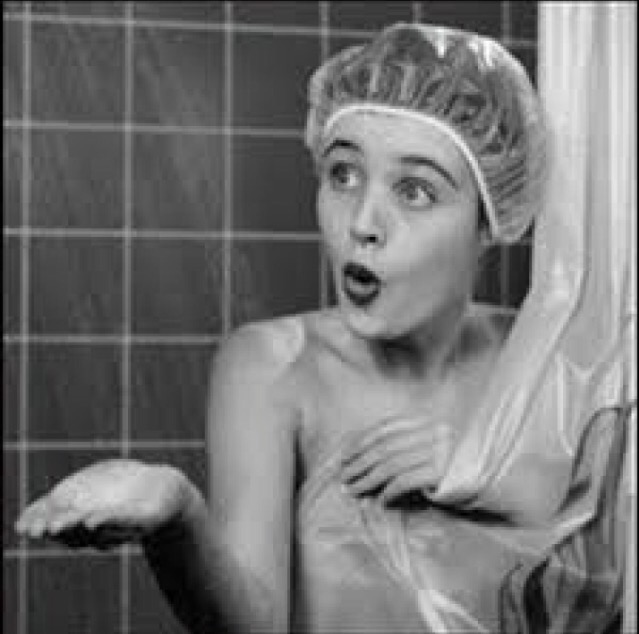
Today’s post is a pretty simple, cost effective (and even money saving!) lifestyle hack that just about anyone can implement.
Today’s post will explore just why the introduction of regular cold showers into your weekly routines is worth consideration and how to go about doing it.
As the weather drops and evenings pull in, it might seem a funny time to suggest the inclusion of a cold shower. However, as the German philosopher Friedrich Nietzsche so eloquently stated; “That which does not kill us, makes us stronger.”
So I get that anyone’s resilience, let alone desire, to hop into a cold shower first thing in the morning is going to be pretty low. With this in mind I will lay out an actionable shower challenge to build up to full cold showers at the end of this post. Firstly however, I think it’s important I sell the ‘why’..
Weight loss
Possibly the most commonly known benefit of cold exposure, and therefore a cold shower, is that they may, theoretically, help you lose weight.
It’s true; your body burns more calories when it’s cold in an attempt to generate body heat and maintain a healthy core temperature. As your body temperature dips slightly, you enter a phase called ‘nonshivering thermogenesis,’ during which you increase your calorie burn. As your temperature lowers even more, you’ll start shivering to generate heat, which also burns calories.
In addition to upping your calorie burn, a study published in Cellular Metabolism in 2014 reported shivering from exposure to cold causes hormonal changes that trigger the production of brown fat. The study authors found that shivering increased the level of a hormone called ‘irisin’, which triggers brown fat production in a way that’s similar to exercise.
The idea is that you take a cold shower for at least 30 seconds and let it run over your shoulders, neck and back. Research shows that this is the area where a lot of brown fat is found.
Brown fat, differing from white fat which is built up from excess of calories, is also known as brown adipose tissue (BAT for short). BAT is abundant in babies. The reason it’s brown is because it’s so tightly packed with mitochondria, which is where fat gets burned off.
The primary function of BAT is to generate heat. In fact, BAT is so metabolically active (ie burning calories to generate heat) that just two ounces of the stuff can burn around 500 calories per day.
BAT is normally inactive, just as long as you’re in your thermal comfort zone, which is part of the reason that it’s rarely detected and why BAT was traditionally thought to be irrelevant in adults. Making yourself cold is supposed to “activate” BAT, which in turn generates heat, raises your metabolism and burns off regular fat.
Some of the fat loss benefits are somewhat disputed however due to the nature of the research studies backing the evidence. This is particularly in relation to length of time of exposure to the cold for the brown fat activation.
Another point noted in relation to full body emersion in swimming for instance could cause the body to crave a higher percentage of calories post exercise due to changes leptin and ghrelin, hormones responsible for controlling appetite.
Athletic Recovery
Cold water has long been used as treatment for sore muscles by sports therapists and athletes. Favourites such as ice baths have been implemented by athletes from various disciples to reduce soreness, stiffness and to promote recovery.
A quick cold shower after breaking a sweat at the gym can be just as effective, especially in relieving delayed-onset muscle soreness.
A 2009 study analysing 17 trials involved over 360 people who either rested or immersed themselves in cold water after resistance training, cycling, or running. It found that 24-minute cold water baths were effective in relieving sore muscles one to four days after exercises with a water temperature of 50 to 59 degrees Fahrenheit, or 10 to 15 degrees Celsius. However, some studies involved colder temperatures.
I would however remain cautious of the cold water following weight training sessions. The great Dr Rhonda Patrick speaks in detail about this in Tim Ferris’s podcast whilst highlighting the benefits of sauna use. In summary, cold exposure acts to stem inflammation and aid recovery. However, when wanting to build muscle through weight training, for instance, the inflammation is a necessary step to muscle growth. Therefore the blunting of this through cold exposure could prove to defy the objective.
Wake up call
Taking a cold shower in the morning and feeling freezing cold water hit your face and body like a cannon ball may not feel too motivating. However, the deep breathing in response to our body’s shock helps us keep warm, as it increases our overall oxygen intake. This results in our heart rate increasing, releasing a rush of blood through our entire body. This gives us a natural dose of energy for the day.
Cold morning showers also are said to help with productivity, with the idea being that tackling a challenge first thing sets you up for success all day long.
Hair & skin care
When it comes to hair and skin, one of the most natural ways to maintain your appearance is with cold showers (!). Hot water has the tendency to dry out our skin, so it’s best to use cold water to tighten your cuticles and pores, which will prevent them from getting clogged. Cold water can act to close or “seal” the pores in the skin and scalp too, preventing dirt from getting in.
Ice-cold or lukewarm water can help our skin and prevent it from being stripped of its healthy natural oils too quickly.
Remember, cold water only temporarily tightens skin as it constricts blood flow, but it does not shrink pores. When it comes to haircare, cold showers can make hair appear shinier, stronger, and healthier by flattening hair follicles, and increasing their ability to grip the scalp.
Immunity and Circulation
Cold water can improve circulation by encouraging blood to surround our organs, which can then help combat some problems of the skin and heart.
As cold water hits the body, it’s ability to get blood circulating leads the arteries to more efficiently pump blood, therefore boosting our overall heart health. It can also lower blood pressure, clear blocked arteries, and improve our immune system.
Eases Stress
Jumping into the shower without letting it heat up, or going into the ocean without slowly acclimating to it, can help promote hardening, increasing tolerance to stress, and even disease. A 1994 study found a drastic decrease in uric acid levels during and following exposure to a cold stimulus. There was also an increase in gluthathione, an antioxidant that keeps all other antioxidants performing at their optimal levels. The participants, who were 10 healthy people who swam regularly in ice-cold water during the winter, adapted to repeated oxidative stress.
Fighting depression
Cold showers have been shown to relieve depression symptoms due to the intense impact of cold receptors in the skin, which send an overwhelming amount of electrical impulses from the peripheral nerve endings to the brain. Thus, it produces an antidepressive effect, and boosts moods, making it a pick-me-up.
A 2008 study found that cold hydrotherapy has an analgesic effect, and does not appear to have noticeable side effects or cause dependence. This treatment included one to two cold showers of 38 degrees Fahrenheit / 3.3 degrees Celsius , two to three minutes long, followed by a five-minute gradual adaptation to make the procedure less shocking.
Action Plan
Ok, so we’ve discussed the why, so now it’s time for the how. Now with colder, darker and miserable mornings being just round the corner, (regardless of time of year if you are UK based), I would like to introduce a plan to build your cold shower resistance slowly but effectively.
This is 5 week plan:
– Aim to complete 5 out of 7 days minimum
– If you’re struggling, continue the week you are on for an additional week before moving on
Week 1
– At the end of your shower turn the shower to cold for 30 seconds
Week 2
– Extend to 1 minute cold exposure at end of usual shower
Week 3
– 30 seconds cold exposure at start of shower
Week 4
– 1 minute cold exposure at start of the shower. Then as hot for as long as you like, followed by 1 minute cold exposure at end of shower
Week 5
– Repeat week 4 protocol but include on one day of the week, 1 of the showers to be cold from start to finish.
Progression
– It’s up to you! Continue adding 2,3 or more full cold showers or even just restart the programs but play with the length of time you are exposed to the cold
Alrighty, I hope you have taken something from this piece! As ever, any thoughts and opinions would be welcomed in the comments section. Please share the post to show the love!

 Nutrition 4 Fighters